
Deep underground, the Nazis built a city for thousands of soldiers. Now it’s a tourist attraction
Hidden Treasures Beneath Europe’s Surface
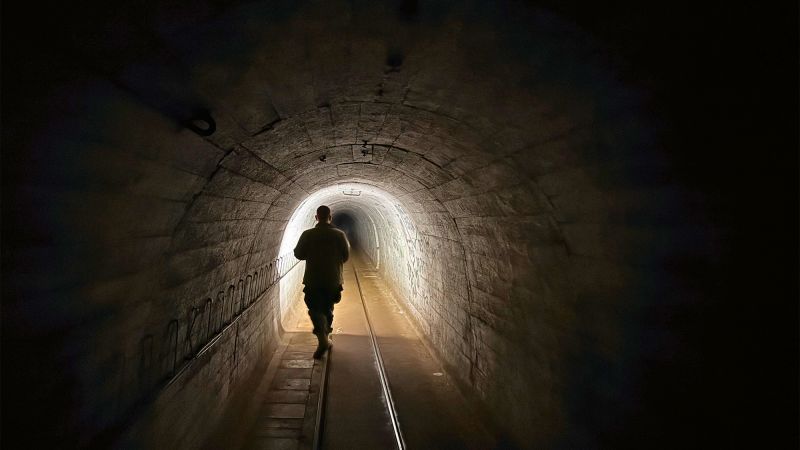
Earthguardiansonline.com – Travel enthusiasts seeking extraordinary destinations have numerous options this season, ranging from ancient Roman passageways to vast subterranean networks constructed during wartime. Among the most remarkable discoveries is a massive underground complex located near the quiet Polish settlement of Pniewo. While the surrounding landscape appears peaceful with golden fields and scattered woodland, visitors who venture below ground discover an extensive network spanning approximately twenty miles. This extraordinary structure, known as the Ostwall, was originally constructed by Nazi forces before being left to decay following the conclusion of World War II in 1945.
The tunnels experienced a fascinating revival during the 1980s and 1990s when a distinctive subculture called the Bunker People claimed the space for themselves. These enthusiasts organized various gatherings within the cavernous chambers, ranging from electronic music festivals to wedding ceremonies, though many events carried inherent risks due to the challenging environment. Today, the atmosphere has shifted considerably. Rather than human revelers, the tunnels now shelter an estimated forty thousand bats who have made the dark passages their permanent home.
A New Chapter for Dark Tourism
The twenty-first century has brought renewed interest in the Ostwall as a destination for travelers drawn to historical sites with atmospheric appeal. The Międzyrzecz Fortified Region Museum now maintains nineteen miles of accessible tunnels for public exploration, offering visitors a chance to walk through history while observing the wildlife that has taken up residence. This transformation from abandoned military installation to cultural attraction demonstrates how forgotten spaces can find new purpose across generations.
Meanwhile, Italy is preparing to open another remarkable underground passage to the public. The Passage of Commodus, measuring one hundred and eighty feet in length, has served travelers for two millennia. Named after the Roman emperor whose complex personality was famously depicted by Joaquin Phoenix in cinema, this tunnel once allowed rulers to enter the Colosseum without being noticed by crowds. Historical evidence suggests Commodus survived an assassination attempt within these walls before eventually meeting his fate at the hands of a professional wrestler.
London’s Underground Secret
British visitors have even more to anticipate with the planned opening of The London Tunnels in 2028. This extensive network stretches for approximately one mile and was originally designed to protect civilians during World War II conflicts. The chambers later housed Britain’s Special Operations Executive, an intelligence organization connected to MI6 that inspired the fictional Q Branch in James Bond literature. A substantial investment of one hundred and forty-nine million dollars is funding the transformation project, which aims to create one of London’s premier visitor destinations. CNN journalists explored the tunnels earlier this year for an exclusive preview of what awaits.
Turkey offers its own compelling destination in Kayaköy, a settlement in the southwestern region that once supported over ten thousand residents. Following the Greco-Turkish conflict, the town was gradually abandoned, leaving behind crumbling structures now reclaimed by vegetation. The atmospheric ruins become even more haunting during cooler months when sea fog settles over the landscape. Visitors pay three euros to navigate the uneven pathways and discover the stories embedded in every stone.
Babylon, situated in contemporary Iraq near the town of Hillah, represents another ancient treasure facing preservation challenges. Once considered the crown jewel of Mesopotamia, the archaeological site now struggles with overgrown pathways and limited infrastructure. Nevertheless, when afternoon sunlight illuminates the remaining steps and statues, visitors can still imagine standing where ancient kings once walked.
Further west, the Trans-Allegheny Lunatic Asylum in West Virginia presents a different kind of historical narrative. Originally established as a compassionate facility, the institution eventually became overcrowded, forcing medical professionals to implement desperate solutions. The building now offers both daytime and evening tours that explore its complicated past, occasionally incorporating supernatural elements into the experience. This facility exemplifies a broader trend across America, where former asylums have evolved into tourist attractions ranging from respectful historical sites to more sensationalized venues.
Related Reading
Frequently Asked Questions
What is Deep underground the Nazis built a city?
Deep underground the Nazis built a city is the main topic of this guide. The article explains the context, practical details, and next steps readers should understand.
Why does Deep underground the Nazis built a city matter?
Deep underground the Nazis built a city matters because readers are looking for a useful answer, not just a short summary. Good content should match search intent and help them decide what to do next.
