
Global scramble to contain new Ebola outbreak as US moves to limit entry from virus-hit region
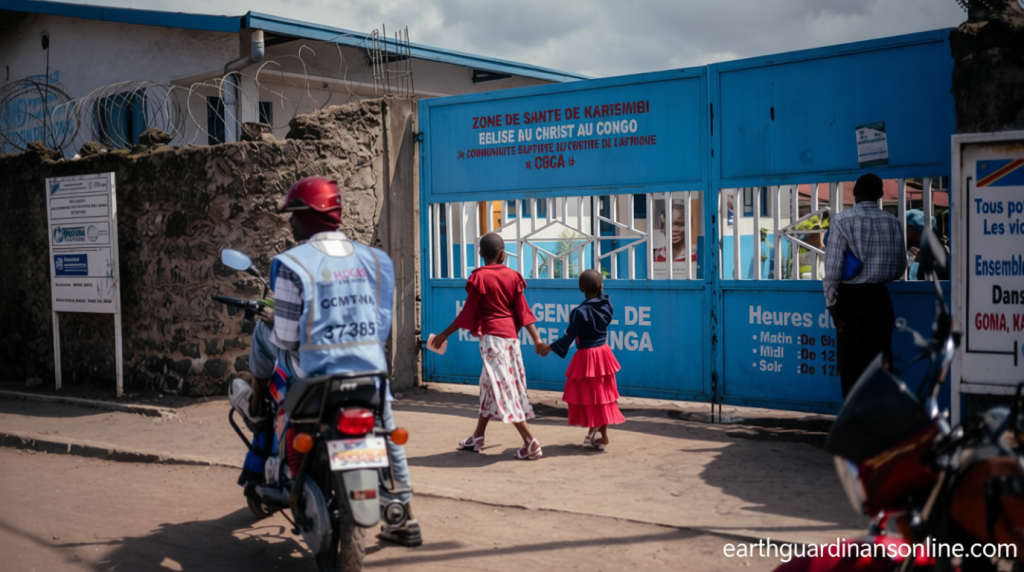
Global Scramble to Contain New Ebola Outbreak Intensifies
Global scramble to contain new Ebola – A worldwide effort is underway to manage the latest Ebola crisis, which has ignited a global scramble to contain new Ebola. The Democratic Republic of Congo (DRC) and Uganda are at the epicenter of this outbreak, prompting immediate action from international health organizations. The United States has now joined the fray, imposing travel restrictions from affected regions under a public health law to curb the spread. This move follows the World Health Organization’s (WHO) designation of the epidemic as a “public health emergency of international concern,” signaling the urgency of the situation. Although the outbreak has not yet reached pandemic levels, experts warn of its potential to grow rapidly if containment measures are not swiftly implemented.
Global Response to Ebola Outbreak
The WHO’s classification of the outbreak as a global health threat has elevated the stakes, with officials emphasizing the need for a unified approach. The Bundibugyo strain, responsible for this wave of infections, has a fatality rate estimated between 25% and 40%, according to Doctors Without Borders (MSF). This strain, while less common, is known for its high virulence and rapid transmission. The Africa Centres for Disease Control and Prevention (Africa CDC) reports that the outbreak has already linked over 100 suspected deaths to the DRC, with the director-general, Jean Kaseya, warning of further escalation. The global scramble to contain new Ebola has intensified as governments and agencies race to prevent cross-border spread.
As part of this response, the U.S. Centers for Disease Control and Prevention (CDC) has activated Title 42, a provision in the public health law that enables rapid entry restrictions. This measure, last used during the coronavirus pandemic, now targets travelers from the DRC, Uganda, and South Sudan. The CDC states that the immediate risk to the U.S. population remains “low,” but they are bolstering surveillance and exit screening to safeguard against potential importation. The global scramble to contain new Ebola underscores the importance of proactive measures in curbing its impact.
Expert Perspectives on Containment Strategies
Dr. Jeanne Marrazzo of the Infectious Disease Society of America highlights the need for balance in the global scramble to contain new Ebola. While travel restrictions can help reduce transmission, she stresses the importance of pairing them with rigorous health checks and respecting human rights. “The global scramble to contain new Ebola must not disproportionately affect non-U.S. citizens, as pathogens do not discriminate based on nationality,” she explained. The CDC, however, maintains that the current measures are necessary to protect public health, even as they monitor the evolving situation closely.
Health authorities are deploying resources to address the outbreak, which spreads through direct contact with bodily fluids. Symptoms range from fever and muscle pain to severe bleeding, making early detection critical. The global scramble to contain new Ebola has led to increased coordination between the CDC and regional partners, including enhanced contact tracing and laboratory testing. These efforts aim to mitigate the spread, especially in densely populated areas where the risk is highest.
Regional Impact and Travel Restrictions
As the global scramble to contain new Ebola continues, the DRC and Uganda face significant challenges. The DRC has reported 10 confirmed cases and 336 suspected cases, concentrated in the northeastern province of Ituri. Uganda, meanwhile, has recorded two laboratory-confirmed cases, including one fatality, in its capital, Kampala. The Bundibugyo strain, which is driving this outbreak, has proven difficult to control due to its high transmissibility. The U.S. State Department has also aligned with the CDC, reinforcing the global scramble to contain new Ebola by supporting regional containment efforts.
Travel restrictions have been implemented to limit the spread of the virus, affecting individuals with recent travel to outbreak zones. The U.S. is now prioritizing non-U.S. passport holders, aiming to reduce the likelihood of importing cases. While the CDC has not yet confirmed any American infections, several U.S. citizens in the DRC have been exposed to the virus. The global scramble to contain new Ebola reflects a broader strategy to safeguard international health by addressing both local and cross-border risks.
