
‘Mastermind’ of $250M Minnesota theft scheme gets 500-month prison sentence as feds charge more people with fraud
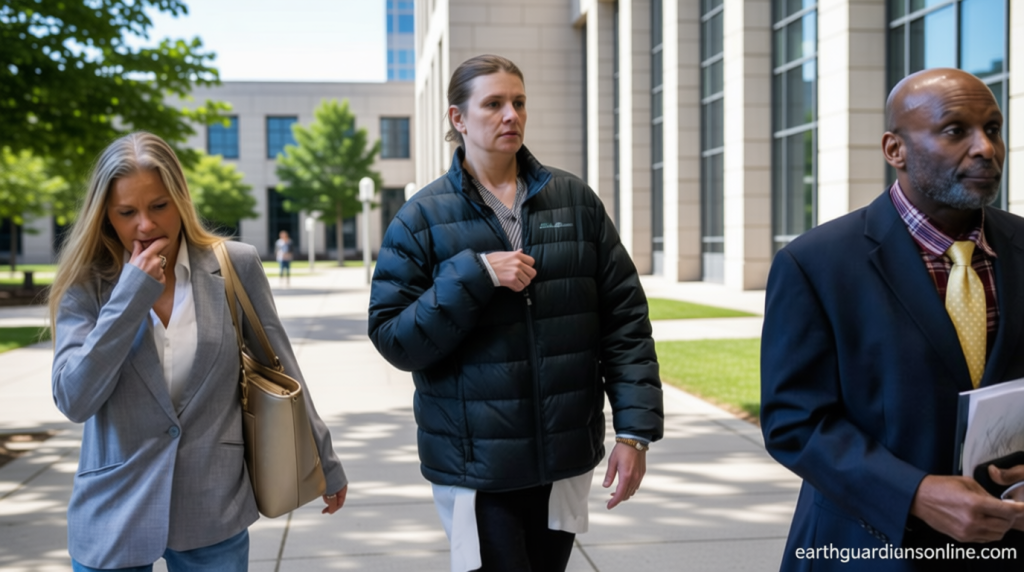
Mastermind of $250M Minnesota Theft Gets 42-Year Sentence as Feds Expand Fraud Investigations
Mastermind of 250M Minnesota theft scheme – Aimee Bock, the central figure in a $250 million theft scheme, was sentenced to 500 months in prison—approximately 42 years—on Thursday, marking a major development in the nation’s largest pandemic-related fraud case in Minnesota. Bock, the founder of Feeding Our Future, was convicted of wire fraud and bribery just over a year ago and now faces the full weight of her actions as federal prosecutors reveal new charges against 15 individuals involved in exploiting social service programs. This case underscores the scale of financial misconduct that occurred under relaxed pandemic rules, siphoning millions from aid intended for vulnerable communities.
Federal authorities, including Assistant Attorney General Colin McDonald, highlighted the expanded scope of the investigation, calling the new defendants “individuals who treated Minnesota’s programs as personal piggybanks.” The Department of Justice has intensified its efforts to recover stolen funds, with McDonald emphasizing that the probe is only beginning. “This is not the end of our work in Minnesota,” he stated, signaling a broader crackdown on fraudulent activities across the state’s social service networks.
Fraud Scheme Breakdown
The $250 million theft scheme centered on manipulating federal and state aid programs, particularly those supporting child nutrition and child care. By fabricating meal counts and inflating staff hours, the network siphoned taxpayer money through deceptive claims. Despite efforts to recover funds, only about $50 million has been reclaimed, leaving a significant shortfall. Bock, the mastermind of the $250 million Minnesota theft, was ordered to pay over $242 million in restitution, a figure that highlights the systemic impact of the fraud.
According to The Minnesota Star Tribune, Bock expressed remorse to the court before her sentencing, acknowledging her role in the deception. “I don’t have the words to express just how horrible I feel,” she said, as former assistant U.S. Attorney Joe Thompson observed the proceedings. Thompson noted that Bock’s sentence reflects the gravity of her actions, stating, “She did everything she could to earn it.” The case also exposed how policy flexibility during the pandemic created opportunities for exploitation.
Expanded Allegations and Federal Response
Following Bock’s sentencing, federal prosecutors broadened their investigation to include additional defendants accused of similar misconduct. New charges allege over $90 million in stolen funds, targeting a wider network of fraudsters across Minnesota. A specialized strike force in the Midwest has been deployed to address these claims, with McDonald reiterating that “this is the beginning of our work in Minnesota.” The cases involve multiple schemes, including false autism diagnoses and inflated child care staffing claims.
The latest charges focus on how the $250 million Minnesota theft scheme was part of a larger pattern of financial exploitation. One defendant is accused of overstating the number of child care staff and their hours, while another case involves fraudulent autism diagnoses. Health and Human Services Secretary Robert F. Kennedy, Jr., described these acts as “organized theft that preyed on the most vulnerable children in America.” The fraud also impacted state grants, as officials worked to recover funds from the Federal Child Nutrition Program.
The Twin Cities have been a key area in these investigations, with several businesses linked to the scheme appearing in a high-profile video by conservative content creator Nick Shirley. Fahima Mahamud, one of the accused, had already been charged in February for her role in the Feeding Our Future program. However, she has not yet entered a plea, and her attorney remained unresponsive to CNN’s inquiries on the day of the sentencing. These developments highlight the interconnected nature of the fraud network, which continues to be scrutinized by federal authorities.
