
Trump’s 2024 campaign discussed an anti-weaponization fund. They didn’t know where to get the money — until now
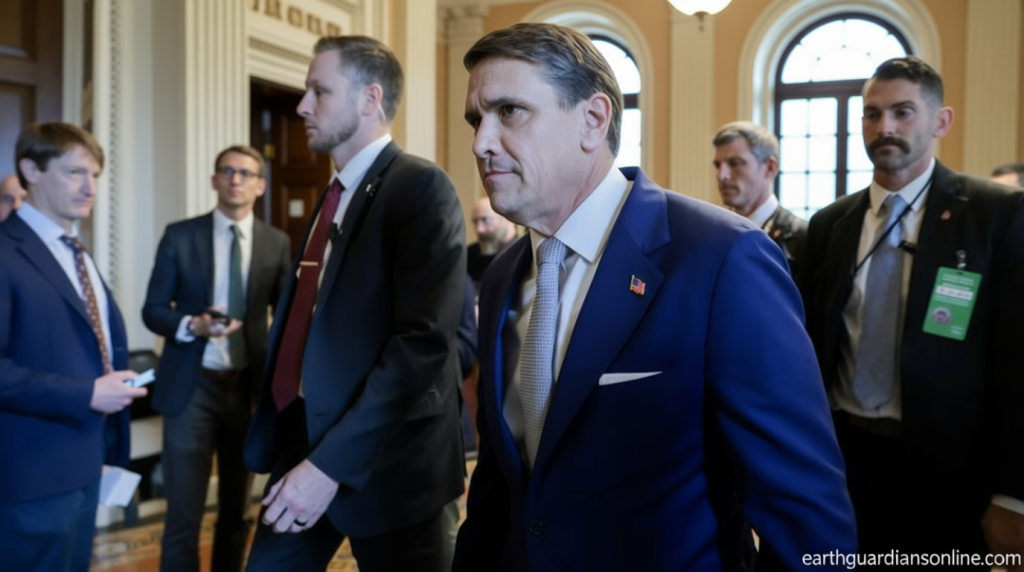
A Trump Campaign Initiative Aims to Counter Weaponization of Federal Law; Funding Uncertainty Prompted New Developments
Trump s 2024 campaign discussed an anti – As Donald Trump pursued his bid for a third term in 2024, a group of advisors within his campaign began drafting a plan to reimburse allies they believed had been unfairly subjected to federal legal actions. Two individuals close to the planning process revealed to CNN that the concept had been under consideration for months before the election. However, a critical challenge emerged: identifying a reliable source of funding to support the initiative. This obstacle led to the temporary shelving of the proposal, until a new opportunity arose through a legal dispute involving the IRS.
The Legal Catalyst and Unprecedented Fund
With Trump’s $10 billion lawsuit against the Internal Revenue Service gaining traction, the idea of a compensation program was revisited. The administration, seeking to resolve the legal battle, created a novel initiative that could redirect nearly $1.8 billion from an underutilized Treasury account. Originally designed to handle lawsuits against the federal government, this account became an unexpected vehicle for Trump’s allies. The plan now allows for significant financial payouts to individuals labeled as victims of “lawfare and weaponization,” with minimal constraints on eligibility.
“The idea had always been in place, but the funding question remained unresolved,” one insider noted. “Then along came this case, and suddenly, the answer was clear.” The initiative marks a departure from traditional funding models, as it leverages public funds to address perceived injustices. This approach has raised questions about the scope of compensation and its potential to reshape political dynamics.
Eligibility Debates and MAGA Base Considerations
The fund’s broad definition of “victims” has sparked internal discussions about who should qualify. While some advisers advocate for strict criteria, fearing that those convicted for violent acts during the January 6 Capitol attack might benefit, others push for inclusivity. Conservative activist Charlie Kirk, who passed away last year, was cited as a vocal supporter of extending the program to include the rioters, according to a source familiar with the planning.
Within Trump’s inner circle, the debate has intensified. Allies argue that the fund fulfills a campaign promise to “seek retribution for those who have been wronged and betrayed.” This sentiment resonates with supporters who view federal investigations as politically driven. However, the program’s potential to reward those with controversial ties has drawn criticism. For instance, some members of the Republican Party have expressed concerns about the fairness of the initiative, fearing it could be used to undermine judicial integrity.
Close associates of Trump, including those who were scrutinized during a longstanding inquiry into Russian influence in the 2016 election, may also qualify for compensation. Peter Ticktin, a legal representative for several Capitol riot participants, has informed supporters that applications are already being processed. His involvement underscores the administration’s commitment to addressing perceived grievances, even as critics question the boundaries of the fund’s reach.
Early Claims and Legal Challenges
Michael Caputo, a former Trump official, became the first to file a claim under the initiative. In his letter, he asserted that the IRS had “politically weaponized” the government against his family. “Despite this, we never stopped trusting the President; we knew he would never let this injustice stand,” Caputo wrote, seeking $2.7 million in restitution. His case sets a precedent for others who might follow, highlighting the personal stakes involved.
Yet, the IRS has contested the strength of Trump’s legal arguments from the beginning. A source with knowledge of the matter described how IRS counsel prepared a defense memorandum detailing flaws in the case, such as statute of limitations and jurisdictional concerns. “DOJ didn’t even want to see the memo or the arguments,” the individual added. The ambiguity around whether the DOJ dismissed the memo or simply overlooked it has fueled speculation about the legal strategy behind the fund.
It is unclear whether the IRS’s concerns will ultimately halt the process. The agency has maintained that the lawsuit lacks merit, but the Treasury’s role in funding the initiative has shifted the focus. This development has created a rift between the IRS and the DOJ, with the latter appearing to align more closely with Trump’s objectives. The result is a program that could distribute substantial sums to those seen as collateral damage in the broader political conflict.
Political Implications and Unintended Consequences
The fund’s creation has not only reinvigorated a dormant idea but also ignited broader debates about the use of public resources for political ends. Critics within the administration warn that the initiative risks undermining the judiciary by allowing payouts to those accused of wrongdoing. Even on Capitol Hill, where Trump’s allies hold power, calls for oversight have emerged, with some urging the establishment of clear guidelines to prevent abuse.
While Trump’s team frames the fund as a gesture of goodwill, opponents argue it is an extension of the president’s strategy to weaponize legal systems. The plan’s ability to provide financial relief to allies, regardless of political alignment, has been seen as a calculated move to bolster loyalty. This has led to internal tensions, with some advisers advocating for stricter eligibility rules and others emphasizing the need to protect Trump’s core base.
Despite the controversies, the initiative has gained momentum. Its ability to funnel taxpayer money into the hands of Trump supporters suggests a growing confidence in the legal strategy. The Treasury’s role in locating the account, which was initially meant for settling lawsuits against the government, underscores the program’s flexibility. As the settlement unfolds, the fund could become a powerful tool for consolidating political influence.
Broader Context and Future Outlook
The anti-weaponization fund reflects a broader pattern of using legal mechanisms to advance political agendas. Trump’s campaign has long emphasized the idea that federal institutions are biased against his supporters, and this initiative appears to validate that narrative. However, the program’s success will depend on its ability to balance retribution with justice, as well as public perception of its fairness.
As the administration moves forward, the fund’s impact on the political landscape remains uncertain. While some see it as a necessary step to address perceived injustices, others view it as a bold attempt to manipulate the legal system. The debate over its scope and intent will likely continue, with implications for how federal power is exercised in the coming months. For now, the initiative stands as a testament to the creative ways political leaders can leverage legal tools to achieve their goals.
Still, the controversy surrounding the fund highlights the challenges of reconciling legal accountability with political loyalty. As more Trump supporters apply for compensation, the program’s effectiveness in mitigating tensions or exacerbating them will be a key factor in its legacy. Whether it is seen as a triumph of justice or a symbol of political weaponization, the initiative has become a focal point in the 2024 campaign’s strategy.
In the end, the anti-weaponization fund encapsulates the tension between law and politics. It is a mechanism that, at its core, seeks to right perceived wrongs but also raises questions about the limits of justice. As the administration navigates these complexities, the fund’s future will depend on how its beneficiaries are chosen and how its payouts are justified in the eyes of the public and the courts.
