
‘Senators are not happy’: How Trump pushed the GOP to the breaking point this week
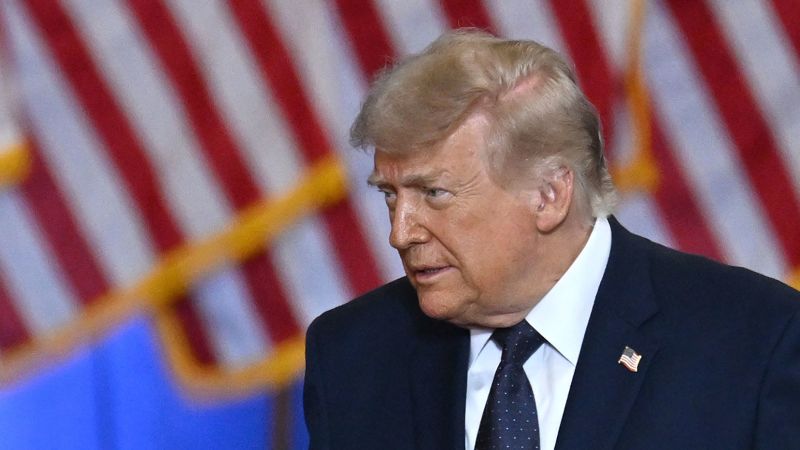
Senators Are Not Happy: How Trump Pushed the GOP to the Breaking Point This Week
A Divided Party and a Fractured Strategy
Senators are not happy – The political rift between President Donald Trump and Senate Republicans reached a critical threshold this week, triggered by a contentious $1.8 billion fund designed to counteract what his team calls “weaponization” of the party. This initiative sparked a visible rebellion among GOP lawmakers, revealing deepening cracks in their previously unified stance. Trump’s allies, including senior figures in his administration, expressed frustration over the backlash, while on Capitol Hill, internal discussions highlighted the fund as a symbol of growing discontent within the ranks.
“The president is making it as hard as humanly possible,” remarked a senior GOP Senate aide, reflecting the frustration of those who felt sidelined by Trump’s approach. “This is a true unified front. All 53 Republican senators are not happy right now.”
The controversy surrounding the fund has intensified tensions as Republicans prepare for the midterms, with six months remaining until the November elections. Lawmakers who have grown weary of the infighting are now cautioning that the discord could worsen, threatening their ability to maintain control of the Senate. The standoff over the “anti-weaponization” fund has become the latest chapter in a series of clashes that have undermined the party’s legislative efforts, particularly its push for a major immigration package by June 1.
Trump’s strategy of prioritizing personal projects and retaliatory actions has drawn criticism from within his own party. The president’s support for GOP Sen. Bill Cassidy’s ouster, fueled by his allies’ financial backing during a primary challenge, has been seen as a calculated move. However, this decision backfired when it led to the senator’s resignation, marking a significant setback. The episode underscored how Trump’s focus on retribution could inadvertently harm the party’s cohesion, especially among lawmakers who had previously aligned with him.
A Personal Project in the Spotlight
Adding to the pressure, the White House’s push to allocate $1 billion for Trump’s new ballroom and the Secret Service has become a focal point of frustration. This allocation, intended to support a private venture, was perceived by many senators as a distraction from broader legislative priorities. The controversy escalated when the Senate’s parliamentarian ruled that the funding couldn’t be integrated into the party’s main legislative package, prompting Trump to publicly demand her removal.
“Even the must-pass stuff is starting to get hijacked by things like the ballroom,” noted an insider familiar with the Senate dynamics, emphasizing the perception that Trump’s actions were eroding the party’s focus on critical issues. “From a morale standpoint, that doesn’t help.”
The White House has continued to defend its approach, dismissing the criticism as temporary. Trump himself framed the fund as a personal sacrifice, insisting that it was a necessary step to support those who claimed to be unfairly targeted by political adversaries. White House spokeswoman Olivia Wales reinforced this narrative, stating that Trump remains the party’s strongest leader and that his efforts are aimed at securing a congressional majority to deliver tangible benefits to Americans.
Despite these assurances, GOP aides and lawmakers have grown increasingly vocal in their dissent. The recent closed-door meeting with acting Attorney General Todd Blanche highlighted the urgency of the situation, with senators expressing strong reservations about the fund’s impact on their credibility. The meeting, which followed weeks of mounting pressure, signaled a turning point in the party’s internal dynamics, as public criticism of the fund reached a fever pitch.
Broader Implications for the GOP Agenda
The “anti-weaponization” fund has further amplified concerns that Trump’s leadership is shifting the party’s focus away from economic and policy-driven issues. Lawmakers fear that his preoccupation with personal projects and retaliatory measures is weakening their ability to present a cohesive message to voters. “This is a ‘Nero fiddled while Rome burned’ kind of moment,” said GOP strategist Barrett Marson, criticizing the administration’s prioritization of initiatives that fail to resonate with the public.
The fallout from the fund has also disrupted the Senate’s ability to pass key legislation on time. The immigration package, which had been a central goal for months, is now at risk of being derailed by the internal conflict. With the midterm elections looming, Republicans are under pressure to demonstrate unity and effectiveness, yet Trump’s actions have sown doubt about their ability to do so. The parliamentarian’s ruling, which blocked the inclusion of the ballroom funding in the legislative package, was viewed as a symbolic blow to the party’s efforts to maintain a consistent agenda.
In response to the backlash, the White House has released statements from seven Republican senators affirming their support for Trump’s leadership. While these endorsements aim to reassure the public, they have not addressed the specific grievances related to the “anti-weaponization” fund. The absence of mention in these statements has left many questioning whether the issue will be resolved or if it signals a deeper, unresolved divide within the party.
A Leader in Crisis
As the situation unfolds, the question remains: Can Trump reconcile with his Senate allies before the midterms? The president’s officials insist there will be no retreat from the fund, but GOP aides warn that the rebellion has escalated, with lawmakers growing more defiant in their criticism. “Unless there’s some sort of come to Jesus moment in the White House, I don’t know how the calculus changes,” said an individual with knowledge of the Senate’s internal dynamics, highlighting the need for decisive action to restore unity.
The broader implications of the fund’s creation extend beyond the immediate backlash. It has become a symbol of the internal conflict between Trump’s vision and the Senate’s strategic priorities. While the president maintains that the fund is essential to his goals, lawmakers argue that it risks alienating voters and undermining the party’s credibility. The growing divergence between Trump’s leadership and the Senate’s needs has left many wondering whether the GOP can hold together as the election deadline approaches.
Meanwhile, the White House continues to frame its actions as a necessary sacrifice for the party’s long-term success. However, the recent events have exposed a fundamental challenge: Trump’s insistence on pursuing personal initiatives, even at the cost of legislative unity, may be the catalyst for a deeper crisis. The midterm elections are not just a test of the GOP’s ability to pass laws—they are also a referendum on the president’s leadership style and the party’s ability to adapt to the changing political landscape.
With the Senate’s unity under strain, the coming weeks will be crucial in determining the party’s trajectory. If the rift deepens, it could jeopardize not only the immigration package but also the broader agenda that Republicans have spent months crafting. The “anti-weaponization” fund, while a specific point of contention, represents a larger issue of how Trump’s priorities are reshaping the GOP’s identity and effectiveness in the face of a competitive election cycle.
