
Justice Department moves to strip citizenship from 17 people in unprecedented denaturalization push
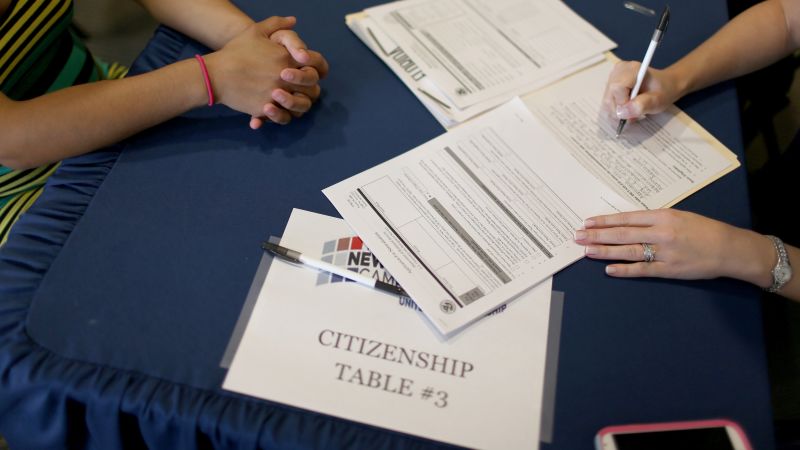
Justice Department Moves to Denaturalize 17 Citizens in New Initiative
Justice Department moves to strip citizenship – On Monday, the Justice Department revealed that it has initiated proceedings to revoke citizenship from 17 individuals across the country. This action is part of a broader strategy that has intensified under the Trump administration, focusing on identifying and removing naturalized citizens suspected of fraudulent practices. The move highlights a growing emphasis on scrutinizing the legal status of those who have become U.S. citizens through naturalization, a process that has historically been used sparingly for specific violations.
A Focus on Fraud and Legal Violations
According to officials, the individuals targeted in this latest round of denaturalization cases are accused of committing offenses ranging from financial deceit to sexual misconduct. These charges, which include allegations of abusing minors, are being used as grounds to challenge their citizenship status. The process of denaturalization, which involves stripping a citizen of their nationality, typically requires evidence presented in federal court and is reserved for cases where there is clear proof of fraudulent behavior during the naturalization process.
Since Donald Trump resumed his presidential duties, the administration has prioritized this initiative, aiming to dismantle the citizenship of individuals who may have misrepresented their backgrounds. While the exact nature of the charges against each person remains confidential, the Justice Department has emphasized that these cases are part of a systematic effort to ensure the integrity of U.S. citizenship. This approach reflects a shift in policy compared to previous administrations, which often took a more measured stance on denaturalization.
Historical Precedents and Legal Framework
Denaturalization has a long history in U.S. law, with cases dating back to the early 20th century. Historically, the process has been applied for a variety of reasons, including lying about arrival dates, marital status, or even political beliefs. For instance, during World War II, German Americans who were sympathetic to Nazi ideology were subjected to denaturalization proceedings, demonstrating how the policy has been used to address both personal and national security concerns.
Under the current administration, the focus has expanded to include more modern allegations, such as fraud and sexual abuse. This reflects a broader trend of using denaturalization as a tool to target individuals who may have been granted citizenship through deceptive means. While the legal standards for denaturalization remain consistent, the criteria for what constitutes “fraud” have evolved, allowing for a wider range of accusations to be pursued.
Comparative Trends and Administrative Efforts
The Trump administration has significantly increased the pace of denaturalization cases compared to its predecessors. In the past year alone, the Justice Department has filed over 24 denaturalization cases, a number that surpasses the total filed under the Biden administration. This surge in activity has raised concerns among legal experts and immigrant advocacy groups, who argue that the policy is being applied more aggressively than in previous decades.
Acting Attorney General Todd Blanche has defended the approach, stating in a recent statement, “Gaining U.S. citizenship is a privilege, and under the leadership of President Trump, this Department of Justice remains committed to holding individuals accountable for any misuse of the process.” Blanche’s comments underscore the administration’s stance that citizenship should be granted only to those who meet strict eligibility criteria and are truthful about their past.
Homeland Security Secretary Markwayne Mullin has echoed this sentiment, asserting that the department will “continue to leverage all available legal mechanisms to denaturalize and remove aliens who pose a risk to national interests.” His remarks highlight the administration’s view that citizenship revocation is a necessary tool to combat immigration fraud and maintain border security.
Impact and Controversy
The recent denaturalization cases have sparked debate over the balance between enforcing immigration laws and protecting the rights of naturalized citizens. Critics argue that the policy may disproportionately affect individuals who have lived in the U.S. for years without any prior issues. They also question whether the allegations against these 17 people are sufficient to justify revoking their citizenship, which is a permanent legal status.
Supporters of the initiative, however, contend that the measures are essential to maintaining the credibility of the citizenship process. They point to the Trump administration’s efforts to identify and remove individuals who may have obtained citizenship through fraudulent means, including those who have committed crimes or concealed critical information during their naturalization interviews.
The cases also highlight the potential for denaturalization to be used as a political tool. While the administration has not explicitly tied the current surge to partisan goals, the rapid increase in cases since Trump’s return to office suggests a deliberate focus on challenging the legal status of immigrants. This has led to accusations that the policy is being used to target specific groups, including those with ties to countries of origin that are politically aligned with opponents of the administration.
Legal Challenges and Future Implications
Denaturalization proceedings can be lengthy and complex, often requiring extensive evidence to prove that the individual misrepresented their qualifications. This process typically involves a hearing before a federal court, where the accused has the opportunity to present their case. However, the speed at which the Trump administration has moved to initiate these cases has raised questions about the thoroughness of the legal review.
Legal analysts warn that the aggressive denaturalization strategy could lead to long-term consequences for both individuals and the immigration system as a whole. They note that the policy may deter potential immigrants from applying for naturalization, fearing that they could be targeted later for minor infractions. Additionally, the expansion of denaturalization criteria could set a precedent for future administrations to use the process in ways that are more expansive than previously seen.
Despite these concerns, the Trump administration has maintained that the denaturalization efforts are a critical component of its immigration agenda. By targeting individuals who have obtained citizenship through fraud, the administration aims to strengthen the legal framework surrounding naturalization and ensure that the process remains a trusted pathway for new citizens. The upcoming cases involving 17 individuals will serve as a test of this approach, potentially shaping the future of citizenship law in the United States.
As the Justice Department moves forward with these denaturalization efforts, the focus will likely remain on demonstrating that the accused individuals failed to meet the standards of honesty and integrity required for citizenship. The cases will also be closely watched by legal scholars and policymakers, who will assess whether the policy is being applied fairly or if it is becoming a tool for broader immigration enforcement. The outcome of these proceedings could have lasting implications for the rights of naturalized citizens and the balance of power between federal agencies and the legal system.
“Gaining U.S. citizenship is a privilege, and under the leadership of President Trump, this Department of Justice remains committed to holding individuals accountable for any misuse of the process,” said Acting Attorney General Todd Blanche in a statement.
The decision to strip citizenship from these 17 individuals underscores the administration’s determination to tackle immigration fraud through a combination of legal and policy measures. While the process is rigorous, the increased frequency of denaturalization cases signals a shift in priorities, with a greater emphasis on preventing unauthorized immigration and ensuring that only qualified individuals retain their citizenship status.
