
Trump indicates to Speaker Johnson he won’t back down on Pulte despite fight over key surveillance authority
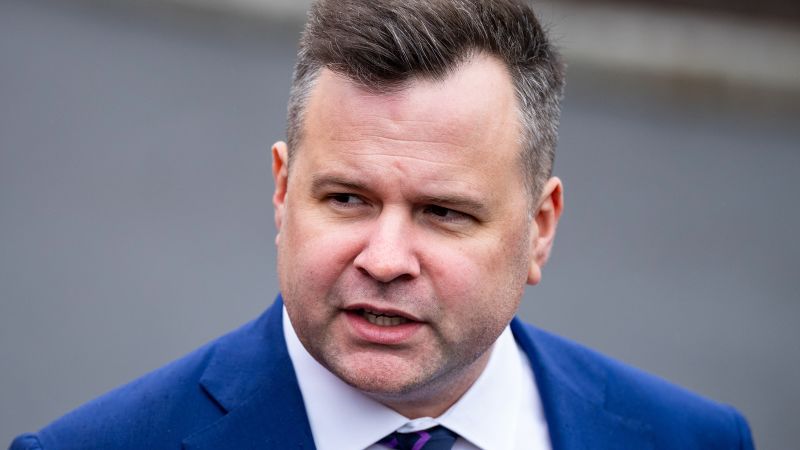
Trump Stands by Pulte as FISA Authority Faces Threat from Speaker Johnson
Trump indicates to Speaker Johnson he won – President Donald Trump has made it clear to House Speaker Mike Johnson that he will not withdraw his support for Bill Pulte’s nomination as acting director of national intelligence, even as Democrats push to expire the Foreign Intelligence Surveillance Act (FISA) Section 702. With the critical surveillance authority nearing its expiration date, Trump’s resolve has intensified tensions between the White House and Capitol Hill, highlighting a pivotal moment in the ongoing political battle over intelligence oversight. The decision to appoint Pulte, a former housing official, has raised questions about the administration’s priorities, as the Senate and House now face a difficult choice between advancing the FISA extension or allowing the intelligence community to lose a key tool.
Trump’s Strategic Move and FISA Deadline
Trump’s commitment to Pulte was reinforced during a private meeting on Tuesday, where he conveyed his determination to proceed with the appointment despite the mounting opposition. The move has drawn mixed reactions among GOP lawmakers, with some expressing concern about the timing. The FISA Section 702, which grants the government authority to conduct surveillance on foreign nationals, is set to lapse unless Congress passes an extension. Trump indicates to Speaker Johnson that his support for Pulte is non-negotiable, framing the appointment as a necessary step to maintain control over national security operations.
Behind the scenes, the White House has been working to align with key Republican allies, emphasizing that Pulte’s leadership will be short-lived and serve as a bridge to a permanent director. However, the timing of the appointment has complicated efforts to secure a bipartisan agreement, as Democrats leverage their control over the FISA extension to pressure the administration. Trump indicates to Speaker Johnson that he remains steadfast in his choice, signaling that the fight over surveillance authority will not be easily resolved.
“This is the most critical national security tool we have. We cannot go dark, ever. Especially with America’s 250 and FIFA events looming,” said GOP Rep. Brian Fitzpatrick, a member of the House Intelligence Committee. Fitzpatrick’s comments underscore the urgency of the FISA debate, as the administration’s stance on Pulte has become a central point of contention. “Everyone needs to be a grown-up,” he added, critiquing Pulte’s readiness for the role and the potential risks of delaying the intelligence community’s leadership transition.
Political Dynamics and Congressional Pressure
The Democratic resistance to Trump’s choice has escalated, with the party using the FISA extension as a leverage point to negotiate changes. By withholding support for the bill, Democrats aim to force the administration into a position where it must either revise its stance or risk losing the surveillance authority. Trump indicates to Speaker Johnson that this strategy has not swayed his decision, as he prioritizes his vision for the intelligence community over immediate compromise. The White House has also hinted at a rapid nomination process for a permanent director, but the lack of consensus among Republicans has left the situation in limbo.
Inside the Capitol, Pulte’s appointment has sparked debates over the administration’s priorities. While some GOP lawmakers have rallied behind the decision, others remain skeptical about the transition’s impact on national security. The narrow margins in the House and the proximity to midterm elections have amplified concerns, as Trump indicates to Speaker Johnson that his support for Pulte is a strategic move to solidify party unity. Nonetheless, the standoff between the executive branch and Congress continues to test the limits of political cooperation.
Senate Majority Leader John Thune has emerged as a key figure in the effort to resolve the FISA dispute. He suggested that the White House is actively considering a swift nomination for a permanent director, which could help bridge the divide with Democrats. However, Thune also noted that the administration is not abandoning Pulte’s acting role, leaving the intelligence community in a state of uncertainty. As the deadline approaches, the interplay between Trump’s insistence and Speaker Johnson’s diplomatic efforts will determine the fate of the surveillance authority.
