
Justice Department officials dance around Trump’s unsupported claims of California election fraud
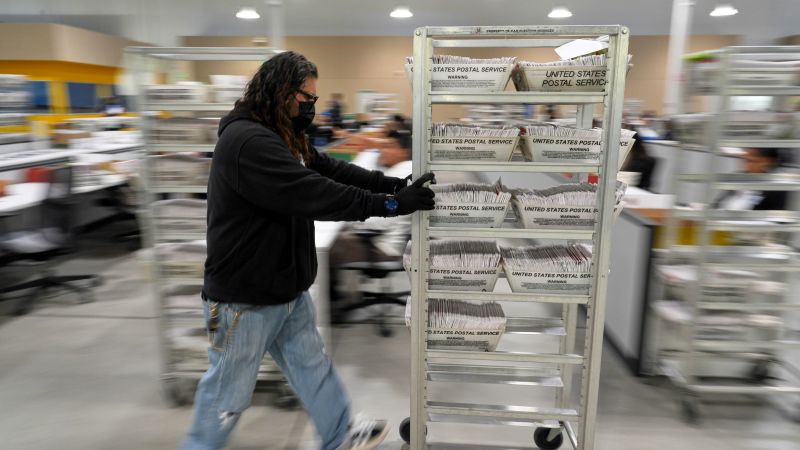
Justice Department Officials Sidestep Trump’s Unfounded California Election Fraud Claims
Trump’s Allegations and the Prosecutor’s Dilemma
Justice Department officials dance around Trump – As President Donald Trump reiterated his claims of widespread Democratic vote manipulation in Los Angeles, California, Justice Department officials have adopted a measured response. While acknowledging the president’s concerns, Bill Essayli, the city’s appointed prosecutor, has navigated the complexities of balancing political pressure with legal evidence. Despite Trump’s insistence on active investigations into the state’s electoral processes, no criminal cases have been formally filed by the DOJ, according to a reliable insider. This cautious approach reflects the challenge of addressing unfounded allegations without compromising the integrity of the judicial process.
“We’re making progress, and we’re doing our best under the circumstances,” Essayli stated during an appearance on “The Glenn Beck Program.” His remarks emphasized ongoing efforts to probe potential irregularities, yet also signaled the difficulty of substantiating Trump’s sweeping accusations. By highlighting the focus on “large-scale conspiracies,” Essayli underscored the department’s strategy to align with Trump’s narrative while maintaining a veneer of objectivity. However, his continued reference to the tip line suggests a reliance on public support to bolster the case, even as concrete evidence remains elusive.
Essayli’s stance highlights a broader tension within the Justice Department. While Trump’s claims have been endorsed in public statements, the agency’s internal operations reveal a more nuanced perspective. Officials have strategically framed delays in California’s reporting as a hurdle to identifying fraud, yet this narrative has been critiqued for its political undertones. The absence of definitive proof has led to a balancing act, where statements are crafted to both appease the president and avoid premature accusations that could damage credibility.
The DOJ’s Legal Authority and Internal Priorities
Within the Justice Department, the pursuit of Trump’s election fraud storyline is shaped by statutory frameworks and political imperatives. The agency’s leaders have cited their authority to investigate state-level voting procedures, particularly those involving federal candidates, as a justification for their actions. This legal rationale, however, has not entirely dispel doubts about the department’s focus. Critics argue that the DOJ is prioritizing symbolic gestures over tangible outcomes, especially as the administration seeks to reinforce Trump’s narrative amid ongoing scrutiny.
“The Justice Department has the legal power to enforce election laws, including reviewing voter rolls and monitoring returns,” a spokesperson clarified in a statement to CNN. The remark reinforced the DOJ’s commitment to its role, yet also opened the door for subjective interpretations of the investigation’s scope. The spokesperson noted that the department’s work continues despite California’s “lack of cooperation,” a reference to the state’s resistance to Trump’s demands for expedited results.
Meanwhile, the internal politics of the Justice Department have influenced its approach. The recent departure of former Attorney General Pam Bondi has created a leadership vacuum, prompting officials to align closely with Trump’s agenda to secure their positions. This dynamic has led to a strategic emphasis on potential rather than proof, with the DOJ positioning itself as both an investigator and a vocal advocate for Trump’s claims. The result is a carefully constructed narrative that blends legal procedures with political strategy.
Public trust in the electoral system has also come under strain. Election veterans, like Neal Kelley, a Republican who oversaw Orange County’s operations for decades, warn that the DOJ’s rhetoric risks eroding long-standing confidence in local officials. “This environment is tearing apart the trust voters have built over years,” Kelley remarked, underscoring the importance of maintaining transparency. As Trump’s claims gain traction in social media, the DOJ faces the dual challenge of defending its actions while reassuring the public of its commitment to fairness.
“The system isn’t perfect, but it’s not designed to allow massive fraud,” Essayli acknowledged in a recent interview. His comments reflect a growing awareness of the need for evidence, even as he remains loyal to Trump’s vision. The prosecutor’s emphasis on “individual actors” rather than “systemic issues” suggests a shift in focus, with the DOJ targeting specific cases rather than broad allegations. This strategy aims to address concerns while avoiding the appearance of political bias in its investigations.
As the debate over election integrity continues, the DOJ’s approach has become a focal point of scrutiny. While its actions are grounded in legal authority, the emphasis on Trump’s claims has raised questions about impartiality. The department’s ability to navigate these challenges will determine its effectiveness in addressing the core issues of election fraud, ensuring that its efforts remain both credible and impactful in the long term.
