
Group of Epstein survivors announce opposition to Todd Blanche’s attorney general nomination
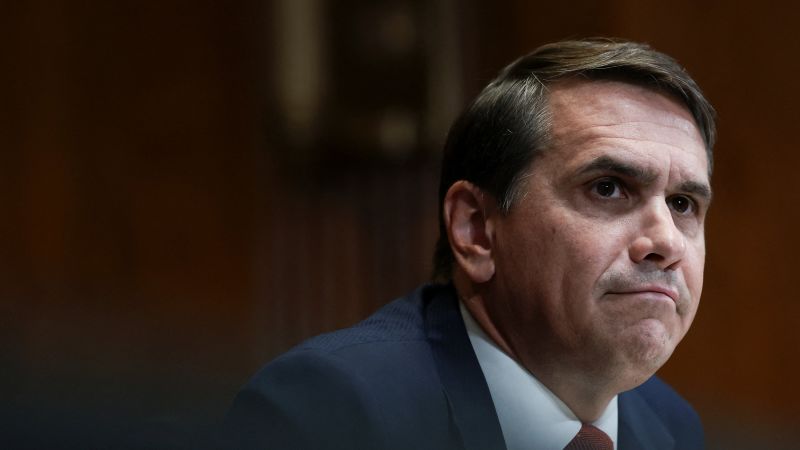
Epstein Survivors Oppose Blanche’s AG Nomination
Group of Epstein survivors announce opposition – A group of Epstein survivors has publicly opposed the nomination of Todd Blanche as attorney general, citing concerns over his role in the administration’s handling of the case. The survivors, who have been vocal about the financier’s crimes, argue that Blanche’s involvement in covert discussions about managing the fallout from the Epstein files indicates a preference for political control over justice. With recent reports revealing how senior officials, including Blanche, convened in the Situation Room to strategize responses to the crisis, the survivors believe the nomination signals a lack of commitment to transparency and accountability.
Survivors’ Concerns Highlight Inconsistent Transparency
According to the survivors, the disclosure of the files was meant to illuminate the truth about Epstein’s exploitation, yet the meetings suggest a focus on minimizing public scrutiny. “The administration has chosen convenience over accountability,” the group stated, emphasizing that Blanche’s actions during the release of documents were marked by omissions and selective disclosure. They accused him of downplaying survivor concerns, particularly regarding the redacted pages that may conceal key evidence. This pattern, they argue, undermines the Justice Department’s credibility and reflects a broader effort to protect the reputation of the Trump administration.
“We deserve truth, transparency, and accountability. The withheld documents raise serious questions about the full picture of what transpired,” the survivors said in a unified statement. “This nomination is a betrayal of the victims and a step back from justice.”
White House Reiterates Commitment to Transparency
The White House has defended Blanche’s nomination, highlighting his efforts to support Epstein’s victims. Spokeswoman Abigail Jackson noted that the administration released millions of pages of documents, cooperated with the House Oversight Committee, and signed the Epstein Files Transparency Act. “President Trump has done more for survivors than any previous administration,” Jackson claimed, framing Blanche’s actions as part of a broader push for public accountability. However, the survivors remain unconvinced, arguing that the release of 3 million documents out of 6 million is insufficient to address all concerns.
“By taking decisive steps to release information and investigate Epstein’s connections, the president has shown his dedication to transparency,” Jackson said, while also pointing to his stance on the case.
Despite these claims, the survivors point to inconsistencies in the process. They stress that while some documents have been shared, critical pages remain hidden, potentially revealing undisclosed agreements or cover-ups. “This selective disclosure suggests a pattern of prioritizing image over integrity,” they wrote, calling for a leader who would fully embrace the role of the Justice Department in safeguarding victims’ rights. The group’s opposition has drawn attention to the need for a more transparent approach in the face of ongoing scrutiny.
House Oversight Chair Calls for Further Scrutiny
Lawmakers, including House Oversight Chair James Comer, have expressed skepticism about Blanche’s leadership. Comer revealed plans to question Blanche in July, underscoring bipartisan concerns about the administration’s handling of the files. “The withheld documents raise critical questions about the full extent of the investigation,” Comer stated, signaling that the process requires more oversight. This move by Congress reflects a growing demand for accountability, as survivors continue to push for a thorough examination of the events surrounding Epstein’s case.
“We must ensure that the attorney general’s actions align with the victims’ interests,” Comer added, as the survivors’ call for transparency gains momentum.
The survivors’ opposition to Blanche’s nomination has sparked a wider debate about the role of the Justice Department in protecting vulnerable individuals. By emphasizing the need for a leader who will prioritize the victims’ voices, they aim to highlight the importance of justice in political appointments. Their efforts are part of a broader movement to hold officials accountable, ensuring that the lessons from Epstein’s case are not overlooked in the process of naming a new attorney general.
