Drones and lone wolf attacks are key concerns as FBI works to secure 11 World Cup cities

Drones and Lone Wolf Attacks Pose Critical Security Challenges for 2026 World Cup
Drones and lone wolf attacks are key – The 2026 FIFA World Cup, set to kick off on June 13, marks a historic moment for the United States as it hosts the largest international sporting event in its history. With 78 matches scheduled across 11 cities, the nation faces an unprecedented logistical and security endeavor. Millions of global visitors are anticipated to flock to these locations, creating a massive influx of people and heightened vulnerability to potential threats. The Department of Homeland Security (DHS) and the Federal Bureau of Investigation (FBI) have been tasked with safeguarding the event, emphasizing a “zero-fail mission” approach to counteract emerging dangers.
Advanced Threats Demand Vigilance
Security officials have highlighted the growing risks associated with drone technology and lone wolf attacks as central concerns for the tournament. Drones, capable of carrying lethal payloads and easily accessible to individuals, present a unique challenge due to their mobility and stealth. Meanwhile, the threat of lone wolf attacks—where individuals act independently without direct coordination—remains a persistent risk, especially after recent incidents in the U.S. that have underscored the potential for unpredictable violence.
Andrew Giuliani, appointed to lead the White House task force for the World Cup, reassured the public that no known threat targeting the games has been identified. “This will be the most expansive sporting spectacle the world has ever seen,” Giuliani stated during a security briefing in New York, underscoring the significance of the event. However, the FBI and DHS have been working diligently to preempt any possible disruptions, recognizing the evolving nature of security threats.
Collaborative Security Framework
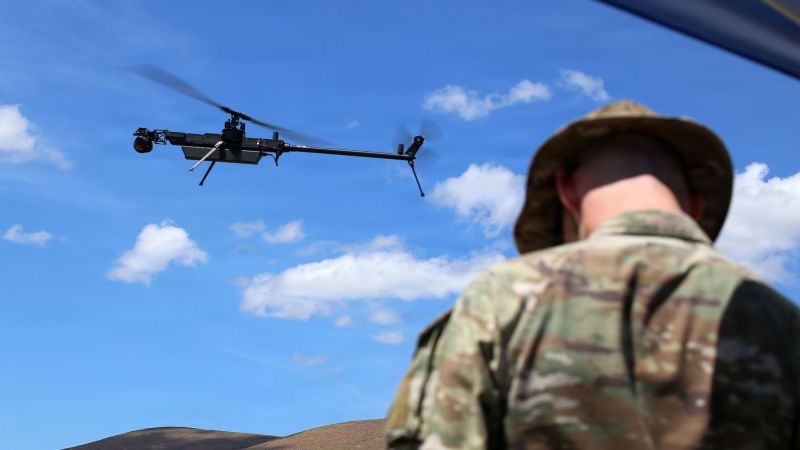
The FBI has taken a proactive role in training local law enforcement through its counter-drone initiative. At its Alabama facility within the Redstone Arsenal military base, the agency has trained 60 officers from different cities on techniques to detect and neutralize unauthorized drone activity. This includes methods for remotely disabling drones and employing alternative interception strategies when traditional jamming proves ineffective. The training focuses on addressing both the technical and operational aspects of drone security, ensuring preparedness for various scenarios.
“Our security posture is largely invisible to the public,” said Michael Torphy, assistant section chief of the Critical Incident Response Group, during a recent demonstration of the FBI’s counter-drone efforts. Torphy emphasized the agency’s track record, noting that it has successfully protected every Super Bowl since 2019 from drone incursions and numerous other events. “We’ve done this before. We’re going to do it again,” he added, highlighting the confidence in the measures being implemented.
Global Drone Innovations Influence Local Security
While military-grade drones are less likely to be used domestically, the rapid advancement of civilian drone technology has made smaller models—equipped with explosives or chemical agents—a growing concern. Law enforcement officials warn that these drones can be easily purchased online and modified for hostile purposes. Their reliance on radio frequencies for communication means they can be intercepted or neutralized with existing countermeasures, but the threat remains significant.
Ukraine has emerged as a leader in drone technology, demonstrating how these unmanned aircraft can be both offensive and defensive tools. The country’s experience in using drones to disrupt the Strait of Hormuz and target US and Israeli assets has provided valuable insights for global security strategies. Iran’s use of drones in regional conflicts further illustrates their potential as a versatile weapon. “The technology is advancing at an alarming rate,” noted John Villasenor, a senior fellow at the Brookings Institution, during a discussion on the challenges of modern security. “People can cause substantial damage with basic tools, which makes the threat even more unpredictable.”
Local and Federal Roles in Security Coordination
Although the DHS oversees much of the overarching coordination, the FBI is leading security efforts in three of the 11 cities. This division of responsibilities ensures that both federal and local agencies can address specific regional needs. Local police forces, including the New York Police Department (NYPD), have also invested heavily in counter-drone capabilities. Officials revealed that the NYPD alone has allocated $6.5 million to acquire specialized equipment, reflecting a growing awareness of the potential risks.
“Ignoring the technology’s role in global conflicts would be a mistake,” said NYPD Commissioner Jessica Tisch during a May press conference. She pointed to the use of drones in Ukraine and Iran as examples of how these tools are reshaping warfare and security. “We must integrate these innovations into our planning to stay ahead of threats.” This sentiment aligns with the broader strategy of adopting a bottom-up security model, where local law enforcement handles day-to-day operations while federal agencies provide strategic oversight.
Preparation and Public Awareness
Security teams have been working tirelessly to prepare for the event, focusing on both technological and human factors. The FBI’s training program includes scenarios where drones might bypass traditional countermeasures, such as fiber-optic models that operate beyond the range of radio-frequency jamming. Officers are being taught to adapt to these challenges, ensuring a multi-layered defense strategy. Public awareness campaigns have also been launched to educate fans about the measures in place and the importance of reporting suspicious activities.
The scale of the World Cup demands a synchronized effort across multiple cities. With countless fan hubs and ancillary events planned throughout the country, the challenge extends beyond the stadiums. Security personnel must monitor a vast network of locations, from parking lots to public transportation, to prevent any incident that could mar the event. This has led to an increased emphasis on real-time monitoring and rapid response protocols.
Future Implications and Strategic Adjustments
As the World Cup approaches, officials are continuously refining their strategies to address new developments. The integration of artificial intelligence in drone detection systems is being explored to enhance monitoring capabilities. These AI-driven tools can predict drone movements and identify potential threats more efficiently, reducing the burden on human operators. However, the reliance on technology also introduces new vulnerabilities that must be accounted for.
Despite the challenges, security experts remain confident in the nation’s ability to protect the event. “The threat of lone wolf attacks and drones is real, but so are our responses,” said Villasenor, emphasizing the balance between risk and preparedness. Giuliani echoed this sentiment, stating that the event’s success hinges on the collective effort of all agencies involved. “It’s not just about preventing attacks; it’s about ensuring a seamless experience for fans and participants alike,” he added.
With the World Cup now a few weeks away, the focus shifts to execution. The lessons learned from past events, combined with advancements in drone technology, have created a robust security framework. Yet, the unpredictable nature of human behavior and technological evolution means vigilance will be key. As the first whistle blows and the world watches, the US aims to demonstrate its readiness to tackle even the most sophisticated threats in a way that is both effective and invisible to the public eye.