Trump’s UFC 80th birthday bash looks to rescue his tarnished macho image

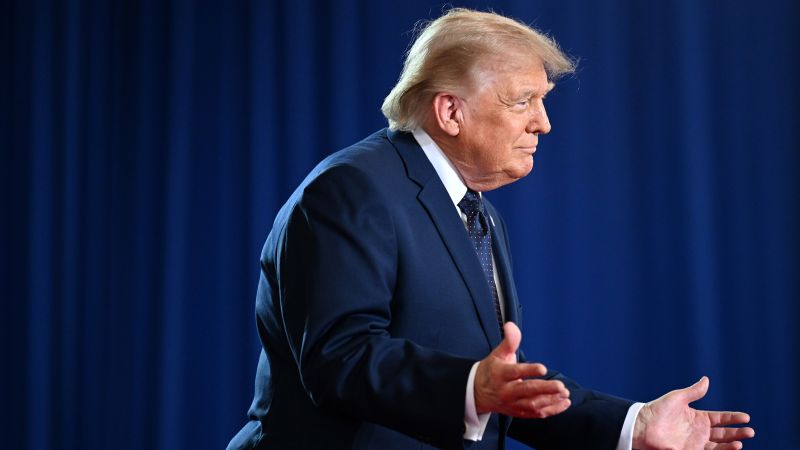
Trump’s UFC 80th Birthday Bash Aims to Revive Tarnished Masculinity
Trump s UFC 80th birthday bash – As the sun sets on the 80th birthday of former President Donald Trump, the White House has transformed its South Lawn into a battleground of fists and fervor. Sunday’s UFC event, a high-octane spectacle of combat, is not merely a celebration of the president’s age but a calculated effort to reclaim the alpha image that has been fraying over the past two years. For Trump, the display of physical dominance—men locked in a cage, trading blows with unrelenting energy—serves as a visual metaphor for his political strategy: to project strength in an era where his leadership is increasingly questioned.
A Political Theater of Masculinity
Trump’s penchant for crafting a hypermasculine persona has long been a cornerstone of his appeal. From the moment he entered politics, his public persona was built on an exaggerated version of ruggedness, often amplified by his choice of rhetoric and imagery. This birthday bash, however, marks a new chapter in his efforts to reinforce that brand. The UFC fight, which coincides with the nation’s 250th anniversary, is a symbolic collision of personal and national strength, a move designed to reframe his presidency as a period of bold action rather than decline.
“Fight. Fight. Fight.”—a phrase that has echoed through Trump’s political career, from the aftermath of the Butler assassination attempt to his campaign speeches. The repeated use of this mantra, coupled with his choice to host a boxing event on the White House grounds, underscores his determination to anchor his identity in physical prowess.
The president’s allies have also been quick to exploit the narrative of gender and strength. Earlier this year, Trump claimed the CIA hinted that Iran’s new supreme leader, Mojtaba Khamenei, might be gay. Separately, his team has suggested that Texas Senator James Talarico, a prominent Democratic candidate, is transgender and adheres to a vegan diet—both claims that have been debunked by fact-checkers. These remarks, while seemingly trivial, are part of a broader pattern: framing his opponents as weak or effeminate to elevate his own masculinity.
From Threats to Strikes: The War on Perception
Trump’s second term has been defined by an aggressive campaign to assert dominance, both in foreign policy and public perception. He rebranded the Defense Department as the “Department of War,” a term that carries weight in the American psyche, even if it’s not officially recognized. Under his leadership, the administration has launched strikes against seven countries, removed two foreign leaders, and escalated tensions with Iran. These actions, while often criticized as provocative, have been framed by Trump as necessary demonstrations of American might.
Yet, the physical toll of his presidency has become evident. The strikes, which targeted vessels suspected of drug trafficking, resulted in the deaths of over 200 individuals, with minimal transparency or judicial oversight. Critics argue these attacks could qualify as war crimes, a claim that aligns with Trump’s broader rhetoric of unapologetic force. Despite this, the president’s public appearances have shown a shift: he appears more fatigued, his movements slower, and his once-commanding presence now tinged with vulnerability.
Even as he continues to trumpet his strength, Americans are growing skeptical. Recent polls reveal that at least 53% of respondents no longer see Trump as a strong leader, a sentiment that has deepened amid economic stagnation and persistent inflation. The Washington Post-ABC News poll, which highlighted this trend, found that 58% of Americans believe Trump is not an effective world leader—up from 51% in 2023. These numbers suggest a widening gap between the president’s self-perception and the reality his supporters are beginning to question.
Performance vs. Reality: The Struggle for Authority
Trump’s reliance on performance—whether through martial arts demonstrations, ceremonial speeches, or combative media appearances—has always been a way to mask policy shortcomings. He once criticized opponents for “low energy,” a critique that now seems to apply to his own leadership. While he still commands a loyal base, his public displays have become more disjointed, his talking points more repetitive, and his ability to connect with younger voters waning. The 15-point shift in the young male vote that once propelled his 2024 victory is now a shadow of its former self.
Despite his attempts to project vitality, the president’s physical and mental stamina has been called into question. In a recent CNN poll, 58% of respondents said Trump lacks the sharpness to lead effectively, a statistic that mirrors concerns about his decision-making in critical areas like Iran. His tendency to rely on a narrow set of arguments, often delivered with the same cadence, has left many observers wondering whether his leadership is still as formidable as his rhetoric suggests.
The UFC event, while a flashy attempt to restore his image, also reflects a deeper dilemma. Trump’s brand has always been tied to strength, yet his actions in recent years—such as slowing his domestic travel schedule and appearing drowsy at events—have undermined that narrative. Even his nickname, “Sleepy Joe,” has been used to mock his opponent, Kamala Harris, but it now lingers as a subtle indictment of his own vigor.
There was a time when Trump’s leadership was unquestioned. In 2024, he won by a decisive margin, with voters viewing him as the stronger, more decisive candidate compared to Harris. His reputation as a rugged businessman and unflinching leader was a key factor in that victory. But as his presidency has progressed, that image has been challenged. The public no longer sees him as the dominant figure he once was, and the UFC fight may be his last-ditch effort to revive the perception of invincibility.
The Cost of a Macho Image
Trump’s focus on masculinity has also led to a shift in his political messaging. He has doubled down on anti-transgender rhetoric, framing his policies as a defense of traditional values. At the same time, his interactions with female reporters have become more condescending, further reinforcing the idea that his leadership style is at odds with modern expectations. These tactics, while effective in the past, now appear more like desperate attempts to hold onto a fading influence.
The UFC event, with its dramatic flair and physical intensity, offers a stark contrast to the quieter, more deliberative leadership style that has become the norm. It’s a reminder that Trump’s brand is built on spectacle, and as his presidency moves into its second year, the need for such gestures has grown. Yet, the effectiveness of these efforts remains uncertain. Americans may be entertained by the display, but they are less convinced by the underlying message of strength.
In the end, Trump’s birthday bash is a testament to the lengths he will go to maintain his image. But as the data shows, the public’s perception of his leadership is shifting. Whether this celebration of machismo can reverse the trend or merely delay the inevitable remains to be seen. For now, the fight continues—not just on the South Lawn, but in the minds of voters who are increasingly skeptical of the man who once seemed unstoppable.