Supreme Court dumps Trump aide Carter Page’s wiretapping suit against James Comey

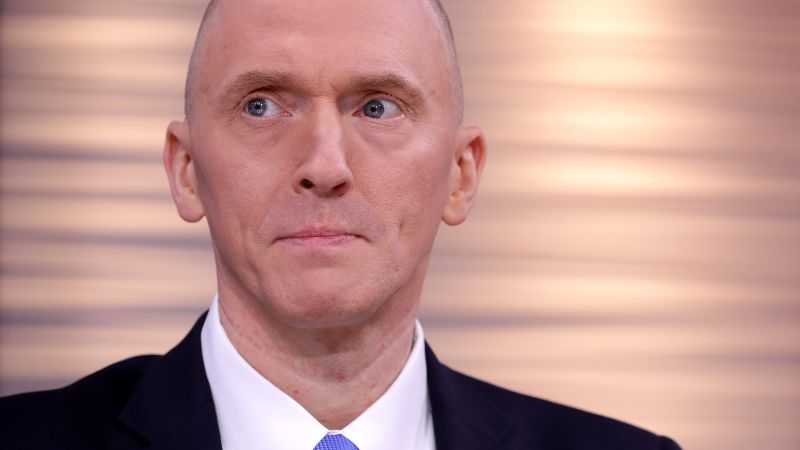
Supreme Court Dismisses Trump Aide Carter Page’s Suit Over FISA Wiretapping Claims
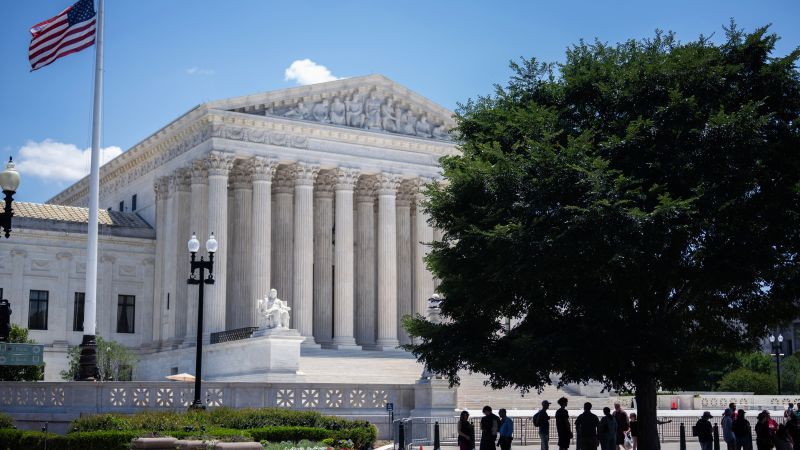
Supreme Court dumps Trump aide Carter – The U.S. Supreme Court has dropped Carter Page’s legal challenge against James Comey, marking the end of a protracted battle by a former Trump campaign advisor. In a swift decision, the Court ruled that the statute of limitations had expired, preventing Page from pursuing his claims of improper surveillance by FBI officials during the 2016 election probe. The case, which centered on the use of a Foreign Intelligence Surveillance Act (FISA) warrant, was dismissed after lower courts determined that the three-year window for such lawsuits had closed. Page, a key figure in the Trump campaign’s foreign policy efforts, argued that the FBI’s process was flawed, aiming to hold former officials accountable for their role in the surveillance.
Origins of the Legal Dispute
Carter Page’s lawsuit began with accusations that FBI agents used a FISA warrant to monitor his communications, citing errors in the evidence presented during the Russian interference investigation. The suit targeted James Comey and Andrew McCabe, alleging that the warrant was based on misleading information and political motives. Page, who worked closely with the Trump administration in 2016, claimed the surveillance overstepped its bounds, targeting him for his ties to Russian entities. The Justice Department’s inspector general report, released in 2019, later confirmed procedural lapses in the FISA process, yet this did not halt the case’s dismissal by the courts.
Page’s legal team emphasized that the statute of limitations should have been calculated from the release of the inspector general’s findings, arguing that the delay was justified. However, the federal appeals court in Washington, D.C., ruled in 2023 that the timeline was strict, ending the case before it reached the Supreme Court. The Court’s brief rejection of the appeal underscored its reluctance to engage in further scrutiny, leaving the legal battle with no resolution.
Impact of the Supreme Court’s Decision
The Supreme Court’s action has significant consequences for similar cases in the future. By affirming the lower courts’ stance on the statute of limitations, the high court has set a precedent that may limit the ability of individuals to challenge surveillance actions after a specific period. This decision could encourage plaintiffs to file lawsuits more quickly, especially in politically sensitive investigations. Page’s case highlights the tension between national security and civil liberties, as it demonstrates how the legal system balances these interests when dealing with high-profile cases.
Carter Page’s appeal also reflects broader debates about the role of the FBI in political investigations. His interactions with Russian officials, including a visit to Moscow in the summer of 2016, were central to the inquiry. During this trip, he delivered a speech that critiqued U.S. foreign policy toward Russia, which investigators later cited as evidence of potential ties to Russian intelligence. Despite these connections, Page was never formally charged, making his legal pursuit all the more symbolic in the context of the 2016 election probe.
Key Legal Arguments and Court Rulings
The crux of the case hinged on the interpretation of the statute of limitations. Page’s attorneys argued that the FISA process allowed for a longer period to file claims, given the complexity of the investigation. However, the appeals court disagreed, stating that the three-year deadline applied regardless of the circumstances. The Supreme Court’s decision to not hear the case was notable for its brevity, with no detailed explanation provided in its order. This lack of commentary has sparked discussions about the Court’s willingness to address procedural flaws in high-profile cases.
The ruling also highlights the evolving role of the Supreme Court in political disputes. While the Court has historically avoided taking sides in partisan matters, its dismissal of Page’s case suggests a focus on procedural correctness over substantive arguments. Justice Ketanji Brown Jackson, a recent addition to the bench, did not participate in the decision, which may have influenced the majority’s stance. The case underscores how legal outcomes can shape public perception of both the judiciary and the executive branch’s investigative practices.
Broader Implications for Political Investigations
Carter Page’s case serves as a reminder of the challenges faced by individuals in political investigations. The FISA wiretapping suit not only challenged the FBI’s methods but also raised questions about the fairness of the process for those involved in high-stakes inquiries. The Supreme Court’s dismissal reinforces the importance of timely legal action, potentially deterring future challenges to surveillance measures. For Trump aides and other political figures, this ruling may signal a need to act swiftly when disputes arise, as prolonged legal battles could be deemed invalid under existing statutes.
While the case concluded with the Supreme Court’s decision, it has sparked ongoing debates about the balance between national security and individual rights. Page’s arguments, though dismissed, bring attention to the procedural rigor required in surveillance operations. As the legal landscape continues to evolve, this case may influence how future investigations are conducted and how their findings are challenged. The outcome remains a focal point in discussions about the judiciary’s role in shaping the scope of political scrutiny.