
After Supreme Court’s TPS decision, more than a million immigrants face scramble to stay in US
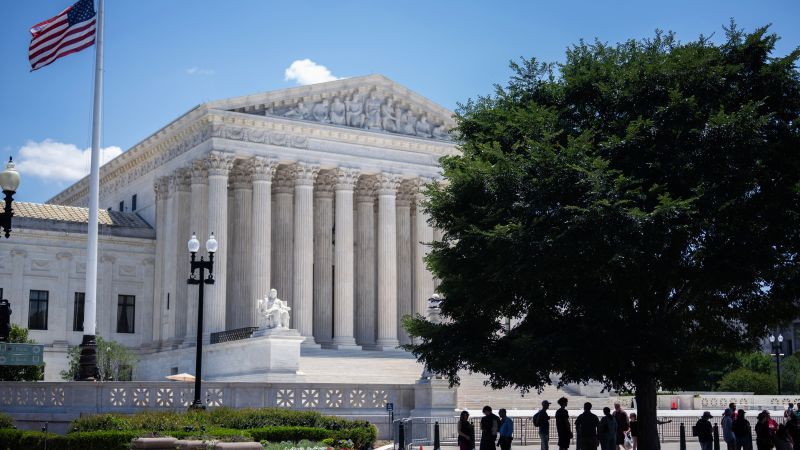
Supreme Court TPS Decision Affects Millions of Immigrants
After Supreme Court s TPS decision – Following the Supreme Court’s TPS decision, over a million immigrants in the U.S. now face an uncertain future, particularly those from Haiti and Syria. The ruling, which upheld the Department of Homeland Security’s authority to end or extend TPS designations, has created a critical shift in immigration policy. This decision impacts individuals who relied on temporary protection from deportation, leaving them to navigate a complex legal landscape as their work permits expire and their status is no longer guaranteed. The TPS program, originally established to assist nations affected by crises, now faces significant scrutiny under the administration’s new approach.
Legal Framework and Humanitarian Concerns
The Supreme Court’s TPS decision, issued in a 6-3 split, solidifies the government’s power to terminate the program without facing prolonged legal challenges. This ruling aligns with the Trump administration’s goal of tightening immigration enforcement, and it is a pivotal moment for TPS beneficiaries. While the decision provides clarity for the Department of Homeland Security, it raises questions about the fairness of removing protections for those who have lived in the U.S. for years. Advocacy groups warn that the ruling could lead to widespread displacement, with many individuals forced to leave their jobs and families.
“The Supreme Court’s TPS decision creates a window for the government to finalize the removal of immigrants who have called the U.S. home,” noted Maria Lopez, an immigration rights attorney. She emphasized the urgency for affected communities to prepare for potential deportations, as the ruling removes a key legal barrier that had previously protected them.
Haiti’s Crisis and the TPS Extension
Haiti’s situation highlights the rationale behind the TPS decision. The nation has endured decades of political instability, natural disasters, and economic hardship, including the 2010 earthquake and the assassination of President Jovenel Moïse in 2021. The TPS designation, initially granted to Haitians in 2010, was extended multiple times to address ongoing crises. However, the Supreme Court’s decision now allows the administration to revoke this extension, potentially ending a 13-year period of temporary protection for many Haitian immigrants.
The ruling reinforces the administration’s argument that TPS should be a short-term solution, not a permanent status. Critics argue that the decision overlooks the long-term impact of Haiti’s turmoil, which has made it unsafe for many to return. For Haitian immigrants, the TPS extension was a lifeline, enabling them to work, support families, and integrate into American society. The Supreme Court’s TPS decision now casts doubt on their future, as their status depends on the administration’s discretion.
Broader Immigration Policy Implications
As part of the Supreme Court’s TPS decision, the administration gains greater authority to adjust the program as needed. This flexibility could influence future immigration policies, particularly for other nations facing similar conditions. The ruling also complements a separate decision that expedites border rejections, signaling a broader strategy to control the flow of immigrants. Together, these measures could reshape the U.S. immigration system, prioritizing swift removals over long-term residency for many.
While the Supreme Court’s TPS decision may not immediately affect border crossings, it has already triggered a ripple effect in the lives of millions. TPS beneficiaries, who have built careers and families in the U.S., now face the possibility of being classified as “overstayers.” The Department of Homeland Security has begun revoking TPS for 13 countries, and this ruling ensures the process can continue without judicial intervention. Advocates are urging for a review of the decision, citing its potential to upend the lives of vulnerable populations.
Next Steps and Community Response
With the Supreme Court’s TPS decision in place, the next phase involves implementing the policy across affected countries. Legal challenges from immigrant advocates are expected, but the ruling provides the administration with a mandate to proceed. For Haitians and Syrians, the clock is now ticking as they seek alternatives to retain their status. Some may qualify for other forms of relief, while others could face deportation. The decision underscores a growing emphasis on administrative control over immigration, with potential long-term consequences for future policy debates.
“The Supreme Court’s TPS decision is a turning point for U.S. immigration policy,” said legal analyst David Kim. “It reflects a shift toward more expedited removals and a reduction in the number of immigrants granted long-term protection.”
