
Firings now underway at Office of Director of National Intelligence, source says
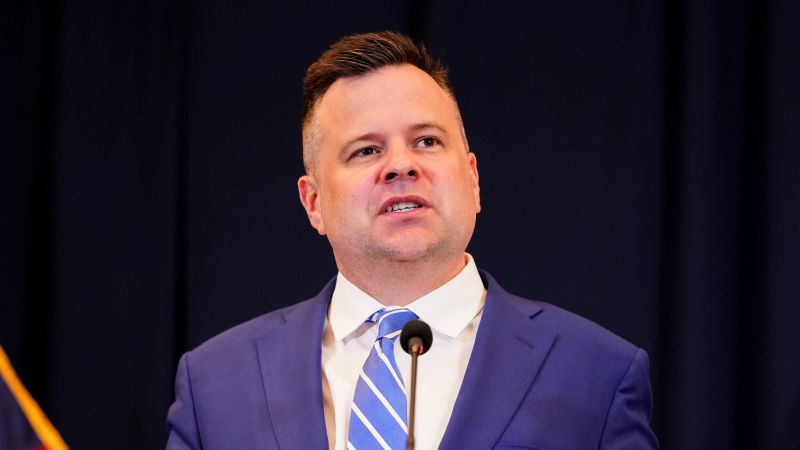
Firings Now Underway at Office of Director of National Intelligence, Source Says
Firings now underway at Office of Director – Personnel reductions at the Office of the Director of National Intelligence (ODNI) have officially commenced, according to a source close to the situation. The acting director, Bill Pulte, who was appointed by President Donald Trump, has initiated a series of cuts to the agency’s workforce, marking the first phase of a broader restructuring effort. The source confirmed to CNN that the process began on Monday, though specific details about the number of positions affected remain undisclosed.
Strategic Moves and Early Actions
Bill Pulte, Trump’s designated acting director of national intelligence, has been actively reviewing the agency’s staffing levels, with sources indicating his focus is on eliminating hundreds of roles. His decision to start the process early has raised eyebrows among insiders, as he arrived at his new post a day ahead of schedule and requested a comprehensive list of all employees. This move caught even Tulsi Gabbard, the outgoing director, off guard, highlighting the urgency with which the changes are being implemented.
“The so-called deep state is experiencing initial rounds of dismissals,” the source said, emphasizing that the cuts are part of a larger initiative to streamline operations. While the exact number of affected staff is still under review, the focus appears to be on high-profile roles within key centers of the intelligence apparatus.
Among the most vulnerable departments are the National Counterterrorism Center (NCTC) and the National Counterintelligence and Security Center. These units, which play critical roles in monitoring threats and safeguarding national security, are expected to see significant staff reductions. The timing of these cuts has sparked concern, particularly given the agency’s mission to prevent future terrorist attacks since its establishment after 9/11.
Congressional Warnings and Political Backing
As the personnel changes unfolded, top Democratic members of the Senate and House Intelligence Committees issued a cautionary letter to Pulte. Senators and representatives expressed worries that the rapid scaling of cuts could undermine the agency’s effectiveness. “We are concerned by reports that you intend to fire or place on leave hundreds of officers as soon as this week,” the lawmakers wrote, stressing that such actions risk jeopardizing the ODNI’s mission.
“While there is room for thoughtful workforce reductions, the pace and scale of these cuts appear premature,” the letter added. “The ODNI was specifically created to counter threats like those seen on 9/11, and significant downsizing without proper consultation could weaken its ability to fulfill that purpose.” The lawmakers also questioned Pulte’s readiness to make such decisions, noting his limited experience within the intelligence community.
Trump’s administration has been pushing for quicker decisions at the ODNI, with the acting director tasked to implement immediate changes. The White House has cited the need for efficiency, pointing to recent statements from the president on Truth Social that hinted at “downsizing” within the intelligence community. A spokesperson confirmed that Pulte’s role includes reverting staff to their home agencies, a strategy aimed at consolidating resources and reducing overhead.
Political Tensions and Unforeseen Consequences
The decision to appoint Pulte as acting director has stirred controversy among Trump’s allies. Despite his prior support, some key figures in the administration have expressed unease about his leadership, particularly due to his public stance on voter fraud investigations linked to the 2020 election. Gabbard, who previously led the ODNI, was tasked with uncovering evidence of election irregularities, and her departure has left a vacuum that Pulte may now fill.
“The rapid changes are not just about budget cuts—they reflect a broader effort to reshape the intelligence landscape in line with the administration’s priorities,” a senior official noted. However, critics argue that such moves could disrupt long-standing intelligence operations, especially in areas like counterterrorism and counterintelligence, which require consistent coordination across agencies.
As Pulte oversees 18 intelligence agencies, his authority extends to major operations, including the National Security Agency (NSA) and the Central Intelligence Agency (CIA). His appointment was met with swift action from lawmakers, who sought to confirm Jay Clayton, the current US attorney in Manhattan, to the position permanently. Trump, however, abruptly ended Clayton’s confirmation hearing, signaling his preference for a temporary leadership structure.
Broader Implications and Ongoing Scrutiny
While the immediate goal of the firings is to reduce costs, the long-term impact on national security remains a topic of debate. Some analysts warn that the rapid elimination of personnel could lead to gaps in intelligence gathering and analysis, especially in high-stakes areas like counterterrorism. Others see the cuts as a necessary step to modernize the agency and align it with current political objectives.
Trump has consistently advocated for streamlined government operations, and his administration’s approach to the ODNI reflects that philosophy. However, the speed of the changes has drawn scrutiny, with some questioning whether the acting director has fully assessed the risks. The National Counterterrorism Center, which analyzes global threats, and the National Counterintelligence and Security Center, responsible for protecting sensitive information, are now under particular pressure to adapt quickly.
CNN has contacted the ODNI for comment, seeking clarification on the scope of the reductions and the rationale behind the decisions. Meanwhile, Pulte’s presence in the Oval Office as Trump signed executive orders underscores the political weight behind the changes. The acting director’s early arrival and rapid actions suggest a clear directive from the top, with little room for deliberation.
As the restructuring progresses, the balance between efficiency and effectiveness will be closely watched. The ODNI’s role in national security cannot be overstated, and any significant disruptions could have far-reaching consequences. With the political climate remaining volatile, the agency’s ability to maintain its mission amid these changes will be a key test for Pulte’s tenure.
The story has been updated with additional reporting, including insights from multiple sources within the intelligence community. CNN’s Zachary Cohen contributed to this report, providing context on the ongoing shifts in leadership and operations. The next steps for the ODNI will likely depend on how the cuts are executed and whether Congress steps in to provide oversight or support for the changes.
For now, the acting director’s decisions are moving forward, with the hope that they will position the agency for long-term success. Yet, the initial phase of firings has already sparked debates about the future of intelligence operations and the priorities of the current administration.
