
ABC enlists viewers in free-speech fight with Trump’s FCC
ABC enlists viewers in free-speech fight with Trump’s FCC
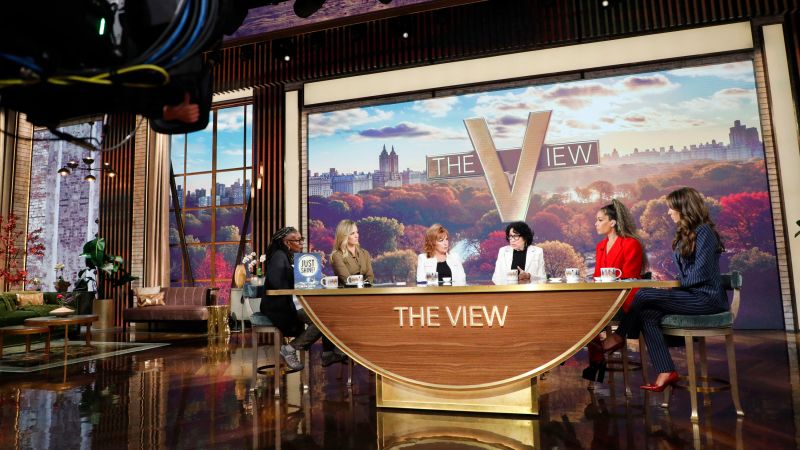
ABC enlists viewers in free speech – Disney’s local ABC stations are now broadcasting public messages urging viewers to support the network’s local operations and “The View” amid a growing legal battle with the Trump administration. This effort marks a new stage in the conflict, as the company seeks to rally public opinion against the Federal Communications Commission’s (FCC) recent demands. The advertisements, airing on stations like WABC in New York, are designed to mobilize audience members to submit comments during the FCC’s public comment period, which concludes on July 29.
The ads highlight the stations’ long-standing service to the community, stating, “Channel 7 has proudly served you for more than 75 years.” They then pivot to the current threat, asserting, “now the FCC is questioning our commitment to the community. Show your support.” This campaign aligns with Disney’s broader defense of free speech, as it argues that the FCC’s actions target its programming and local presence. The agency’s push for early license renewals for Disney’s stations has sparked concerns about its implications for media independence.
FCC’s Regulatory Challenge
As part of the Trump administration’s strategy, the FCC has launched a high-profile investigation into Disney’s diversity, equity, and inclusion (DEI) initiatives. FCC Chairman Brendan Carr has framed this as the basis for requiring Disney to reapply for its station licenses years earlier than usual. While the process typically occurs every eight years without significant controversy, the current situation has transformed into a battleground for free speech rights.
Carr maintains that the early-renewal order is a necessary enforcement of existing rules, emphasizing that the FCC’s role is to uphold regulations. However, critics argue that the rationale is tenuous at best and likely serves as a veiled attempt to pressure Disney over its political content. This sentiment is echoed in the FCC’s simultaneous probe of “The View,” where Carr has opened an inquiry into potential violations of the equal-time rule—a regulation mandating that broadcasters give equal airtime to opposing viewpoints during campaign periods.
“‘The View’ has welcomed your favorite guests and covered the issues you care about for nearly thirty years,” an ad airing during the show states. “Now the FCC wants to control who is allowed to appear on the show.”
The equal-time rule investigation has been viewed as a political maneuver, given “The View’s” consistent coverage of criticism against the Trump administration. Analysts suggest that Carr’s focus on DEI and the show’s content may be interconnected, with the FCC using both issues to consolidate its stance on media regulation. This strategy has drawn comparisons to past efforts to regulate broadcast content under different administrations.
Disney’s Legal Defense
Disney has firmly defended its network, framing the FCC’s actions as an assault on the First Amendment. In filings with the government, the company has laid the groundwork for a potential court challenge, arguing that the early-renewal requirement and the “The View” probe are part of a coordinated effort to stifle free expression. The public comment period, which is critical for shaping the FCC’s decision, is seen as a pivotal moment in this dispute.
Disney appears to be anticipating a surge of complaints from Trump allies, who may use the comment process to advocate for stricter controls on media outlets. By encouraging viewers to submit their own comments, the company aims to counteract these efforts with grassroots support. “You have until July 29th to tell the FCC to keep your trusted local station on the air,” the ad adds, emphasizing the urgency of public engagement.
The campaign also reflects Disney’s broader strategy to position itself as a defender of free speech. The company has drawn parallels between the license renewal dispute and the “The View” investigation, highlighting how both are rooted in the same principle: the right of broadcasters to present diverse viewpoints without government interference. “The View” has long been a platform for political discourse, often featuring guests who challenge Trump’s policies, making it a symbolic target for the FCC’s regulatory agenda.
Carr’s approach contrasts with the practices of previous FCC chairs, who were more lenient in their interpretation of the equal-time rule. By linking the license renewal to DEI initiatives, Carr has introduced a new standard for evaluating media content. This shift has raised questions about the FCC’s role in shaping public discourse, with some arguing that the agency is now prioritizing ideological alignment over neutral regulation.
Industry observers note that the FCC’s actions may have broader implications for media ownership. The requirement for early reapplications could increase the pressure on broadcasters to conform to political preferences, potentially altering the landscape of local news and talk shows. Meanwhile, Disney’s push to engage viewers underscores the importance of public opinion in the regulatory process, as the outcome of this dispute could set a precedent for future challenges.
As the deadline for public comments approaches, the battle between Disney and the FCC intensifies. The company’s ability to mobilize support will be crucial in determining whether its stations remain on the air and whether “The View” continues its role as a platform for political debate. This case exemplifies the growing tension between media corporations and government regulators in the post-2020 election era, where free speech is increasingly scrutinized through the lens of ideological influence.
Broader Context and Implications
The FCC’s campaign against Disney coincides with the ongoing Kimmel controversy, which has further fueled debates about media bias and regulatory oversight. This context adds complexity to the current dispute, as the agency’s actions are perceived as part of a larger effort to assert control over broadcast content. The public comment period, which allows citizens to voice their opinions directly to the FCC, has become a central battleground in this conflict.
Disney’s strategy of involving viewers is not only a response to the FCC’s demands but also a way to reinforce the network’s commitment to democratic engagement. By encouraging audience members to submit comments, the company hopes to demonstrate the widespread support for its stations and the importance of free speech in local broadcasting. The outcome of this dispute could influence how the FCC interprets its authority in future cases, potentially reshaping the rules that govern media operations across the country.
