
Justice Department announces arrests in ‘sophisticated’ drone network used to deliver meth, phones and weapons to prisons
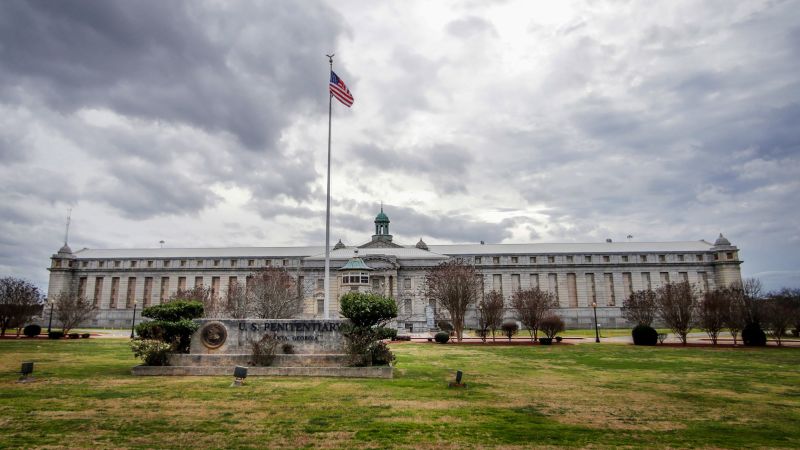
Justice Department Unveils Drones Used to Supply Prisons with Contraband
Justice Department announces arrests in sophisticated – The U.S. Department of Justice has unveiled a major operation targeting a network of drones allegedly used to smuggle weapons, narcotics, and cell phones into federal prisons across multiple states. This case, described as a highly advanced and organized scheme, highlights the growing challenge of aerial contraband delivery in the prison system. The operation, which law enforcement claims spanned over three years, involved covert missions orchestrated from a former daycare facility in Macon, Georgia.
A Covert Network: Drones as Contraband Vectors
The investigation, led by the Federal Bureau of Prisons and FBI agents in Atlanta, revealed that the drone operation served as a central hub for distributing illegal items to 10 federal prisons. According to authorities, the network relied on high-powered drones to transport a variety of contraband, including methamphetamine, synthetic marijuana, suboxone, cocaine, and even saw blades. These items were dropped at night, often in trash bags or astroturf, to avoid detection. The use of drones allowed the perpetrators to bypass traditional smuggling routes and evade surveillance.
Indictment Details: 17 Charges and 12 Defendants
The Justice Department’s 17-count federal indictment accuses twelve individuals of orchestrating this complex scheme. The charges include trafficking, drug distribution, and firearms offenses, with the defendants allegedly responsible for coordinating the delivery of contraband to prisons in Georgia, West Virginia, Kentucky, Tennessee, Virginia, Louisiana, Alabama, and Mississippi. The indictment also highlights the use of at least six drones, which were deployed for 38 separate missions. Inmates reportedly used illegal cell phones to guide the drone pilots, sometimes transmitting real-time maps to ensure precise drops.
Prison Security Challenges: Real-Time Detections and Vanishing Contraband
Law enforcement officials noted that the operation’s scale and efficiency posed significant threats to prison safety. In some instances, correctional officers recovered bags of drugs and weapons mere minutes after the drones landed. However, in other cases, the contraband disappeared before authorities could trace its origin. To combat this, the Bureau of Prisons employed drone detection systems that provided critical data, such as the make and model of the unmanned aerial vehicles, as well as their launch locations. This information helped pinpoint the individuals involved in the high-tech operation, which was tracked from 2023 to 2026.
Multi-State Coalition Calls for Federal Action
Earlier this year, 21 state attorneys general joined forces to address the escalating issue of drone-related contraband trafficking. In a letter to the Trump administration, they emphasized that current federal laws grant limited authority to law enforcement agencies to detect and neutralize unauthorized drones. Correctional officials, they argued, often lack the legal tools and resources to respond in real time, leaving prisons vulnerable to these high-tech intrusions. The coalition described the trend as “alarming,” underscoring the need for federal intervention to bolster state-level capabilities.
White House Acknowledges Delayed Response to Drone Threat
White House officials admitted in May that the federal government had not acted swiftly enough to address the surge in drone-based contraband deliveries. This acknowledgment came as part of a letter sent to state attorneys general, which highlighted the importance of the Safer Skies Act. Signed by President Trump in December 2025, the act is credited with granting state and local agencies the authority and funding to counter rogue drones. The legislation allocated $500 million in FEMA grants, introduced new FBI training programs, and established a dedicated Department of Homeland Security office to monitor and mitigate the risk.
Testimony from Key Officials: A Persistent Threat
At a press conference on Wednesday, US Attorney William Keyes underscored the complexity of the case, stating, “This indictment demonstrates that we are at the speed to tackle this problem. It’s a very sophisticated investigation, a very complex problem.” The official also praised the collaboration between agencies, noting the critical role of drone detection systems in identifying the operation’s origins. Meanwhile, William K. Marshall III, Director of the Bureau of Prisons, warned that such activities endanger the safety of both inmates and staff, vowing that the department would not tolerate them.
Case Study: A 19-Year-Old’s Attempt to Use Drones
A separate case involving a 19-year-old individual illustrates the broader trend of drone misuse in criminal activities. The young attacker, who aimed to use drones to infiltrate a UFC event, was referred to authorities by his parents. This example, while not directly related to the prison network, underscores the versatility of drones as tools for illicit purposes. The FBI’s Atlanta office, led by Special Agent in Charge Marlo Graham, reiterated that drones continue to pose a serious public safety concern. “The threat remains significant,” Graham stated, “as these devices allow criminals to operate remotely and evade traditional methods of detection.”
Looking Ahead: Combating the Drone Contraband Crisis
The Justice Department’s recent actions signal a renewed focus on drone-related crimes, but experts caution that more needs to be done. While the Safer Skies Act has provided a framework for federal and state cooperation, the rapid evolution of drone technology presents ongoing challenges. Correctional facilities, for instance, must now contend with the possibility of drones carrying not only drugs and weapons but also advanced tools for escape. The multi-state coalition’s efforts, combined with the Justice Department’s investigation, represent a critical step toward addressing this issue. However, as Keyes noted, the problem requires sustained vigilance and adaptive strategies to prevent future breaches.
Impact and Implications for the Future
The case has sparked discussions about the legal and technological measures needed to combat drone smuggling. With the federal government now taking a more proactive stance, the focus shifts to integrating advanced surveillance systems into prison infrastructure. The 38 missions detailed in the indictment reveal the scale of the operation, but the success of the investigation also highlights the potential for drones to be used in more sophisticated ways. As law enforcement agencies refine their tactics, the question remains: how can prisons stay ahead of this evolving threat? The answer may lie in a combination of stricter regulations, improved detection technology, and interagency collaboration. For now, the arrests mark a significant milestone in the fight against drone-enabled contraband, but the battle is far from over.
Conclusion: A Technological and Legal Challenge
As the Justice Department’s announcement demonstrates, the intersection of technology and crime has expanded into new domains. Drones, once seen as tools for surveillance and delivery, are now being weaponized to undermine prison security. The indictment’s 17 charges reflect the severity of the operation, but the broader implications are even more profound. With the threat of aerial contraband growing, federal and state authorities must continue to innovate in their response. The Safer Skies Act, while a promising step, is just one part of a larger strategy to ensure that prisons remain secure in an era of high-tech criminality. As the investigation unfolds, it serves as a reminder of the importance of adapting legal frameworks to meet modern challenges.
