
Drone nearly hits United plane landing in Newark, pilot says
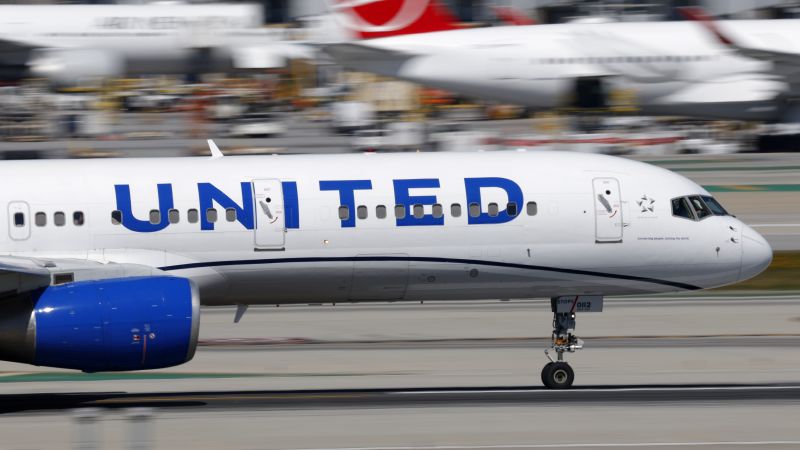
Drone Near-Miss with United Plane Sparks Safety Concerns in Newark
Drone nearly hits United plane landing – On Friday, a United Airlines passenger jet narrowly avoided a collision with a drone while descending toward Newark Liberty International Airport in New Jersey, according to the pilot’s account. The incident, captured in air traffic control audio confirmed by CNN, highlights growing challenges for aviation safety as unmanned aerial systems become more prevalent. The pilot described the drone as a circular object approximately three feet in diameter, which was spotted “about 100 feet below us” during the approach. While the plane landed safely without damage, the near-miss has raised questions about the need for stricter drone regulations near airports.
“We almost hit a drone,” the pilot is heard stating in the verified audio, emphasizing the proximity of the unmanned device to the aircraft. The report adds that the pilot was able to identify the drone visually, underscoring the potential danger posed by such encounters.
Following the incident, the Federal Aviation Administration (FAA) confirmed that it is investigating the event. The agency has stated that the drone was observed by the flight crew as they approached the airport, though the exact cause of the sighting remains under review. United Airlines provided further details, noting that the Boeing 737, which had departed from Key West, Florida, landed safely at approximately 5:30 p.m. ET with passengers exiting the aircraft normally. The airline did not immediately comment on any safety measures taken during the approach.
Another United Express flight, operated by GoJet Airlines, also reported a drone sighting shortly before the same time. Pilots on both flights described the unmanned device as being approximately 2,000 feet below their aircraft, according to air traffic control recordings. While the specific details of the second incident are still being analyzed, the FAA has confirmed the drone was detected near Newark, adding to the growing list of such reports. CNN has contacted GoJet and Newark airport officials for additional insights into the situation.
Drone Sights on the Rise, But Collisions Rare
According to the FAA, there are roughly 100 drone sightings reported each month near U.S. airports, though the majority of these do not result in collisions. The agency has documented 319 pilot reports of drone encounters this year through March, with only a small fraction requiring immediate action to avoid impact. In eight of these instances, pilots took measures such as descending or altering their course, while a single collision was recorded at San Carlos Airport in California.
“The integration of UAS safety regulation into all aspects of airspace management—whether through the FAA or other regulatory frameworks—is absolutely integral. There can’t be any loopholes,” said former New Hampshire Gov. Chris Sununu, president and CEO of Airlines for America, during a Senate Commerce Subcommittee hearing on Tuesday.
The hearing focused on the increasing presence of drones in congested airspace and the need for advanced detection technologies. Officials from the Department of Homeland Security and the Department of Defense highlighted their development of counter-UAS systems to prevent incidents like the one in Newark. These technologies aim to track and neutralize drones that enter restricted zones, particularly during high-traffic periods such as World Cup matches in East Rutherford, New Jersey.
Newark Liberty International Airport, located about 15 miles from East Rutherford, has implemented strict protocols to limit drone activity near the event venues. The FAA reports that in March, pilots at New York’s LaGuardia and John F. Kennedy International Airports both noted multiple drone sightings, prompting renewed calls for coordinated safety measures. This aligns with broader efforts to mitigate risks as drone usage continues to expand into areas previously dominated by manned aircraft.
Historical Context: Newark’s Drone-Related Disruptions
The recent incident echoes earlier disruptions at Newark, where flights were halted in April 2019 after a drone was spotted near Teterboro Airport. Located approximately 17 miles from the main airport, Teterboro is a key hub for smaller aircraft, and the drone’s presence caused temporary delays. The FAA attributed the disruption to the drone’s proximity to the runway, which forced pilots to take evasive action. At the time, the agency cited reports from both Southwest and United flight crews as the source of the alarm.
While the 2019 incident was resolved with minimal impact, it served as a reminder of the potential for drones to interfere with commercial aviation. The FAA has since emphasized the importance of formal permissions for drone operations in controlled airspace, particularly during peak hours. The recent near-miss in Newark underscores the urgency of these measures, as drones increasingly navigate the skies without clear oversight.
Experts warn that the frequency of such incidents may rise as drone technology becomes more accessible. With over 319 reported sightings this year alone, the FAA and industry leaders are pushing for enhanced monitoring systems and stricter enforcement of no-fly zones. The Senate hearing also highlighted the role of public awareness campaigns in preventing incidents, as many drone operators may not fully understand the risks their devices pose to aircraft.
In addition to the technical solutions being developed, the FAA has stressed the need for collaborative efforts between regulators and drone manufacturers. “The challenge is not just about detecting drones, but about creating a system that ensures they don’t come close to planes,” said a FAA spokesperson. The agency is currently working on updating guidelines to address the growing presence of unmanned systems, including provisions for real-time alerts and automated response protocols.
The Newark incident has also drawn attention to the physical proximity of airports to populated areas. With the World Cup matches generating significant foot traffic in East Rutherford, officials have announced heightened restrictions on drone operations in the surrounding region. These measures aim to prevent any potential hazards to both aircraft and spectators, ensuring the safety of the event’s attendees and the smooth flow of air traffic.
As drones become more common, the balance between innovation and safety remains a critical concern. The FAA’s data shows that while drone sightings are frequent, actual collisions are rare. However, the near-miss in Newark and similar events have prompted renewed discussions about the need for updated regulations and better coordination between drone users and aviation authorities. The incident serves as a case study in the challenges of managing airspace in an era of rapid technological advancement.
