
They came for the soccer. They fell in love with ranch dressing
They came for the soccer. They fell in love with ranch dressing
They came for the soccer They – The 2026 World Cup has become an unexpected platform for showcasing American culinary culture, with ranch dressing taking center stage as a favorite among international visitors. While the primary draw for fans is the sport, many are discovering the sauce’s unique appeal, leading to a surprising trend that has even caught the attention of the Transportation Security Administration (TSA).
A Global Culinary Stage
Historically, the World Cup has served as a stage for the food traditions of host nations. In 2002, South Korea’s crispy fried chicken captivated global audiences, while the 2010 tournament in South Africa introduced travelers to biltong, a dried meat similar to jerky. Four years later, Brazil’s icy caipirinha cocktail became a symbol of its vibrant culture. This year, however, the spotlight has shifted to a humble American condiment.
As international tourists flock to the U.S. for the 2026 event, they’ve encountered a different kind of culinary curiosity. Ranch dressing, a creamy blend of buttermilk, vegetable oil, and spices, has become a hit, particularly among those unfamiliar with American food. “Ranch dressing should be a human right,” remarked a European traveler in a Reddit thread, highlighting the sauce’s growing popularity.
The TSA’s Curious Observation
The TSA, responsible for screening passengers at airports, has noticed this trend firsthand. In a recent Instagram post, the agency humorously remarked on the challenge of accommodating ranch dressing in carry-on luggage. “Yeah sooo your carry-on wasn’t actually made for *checks notes* 4 bottles of ranch …” the post quipped, referencing the 3.4-ounce liquid restriction. A single bottle of ranch is 16 ounces, making it a logistical hurdle for those eager to bring it home.
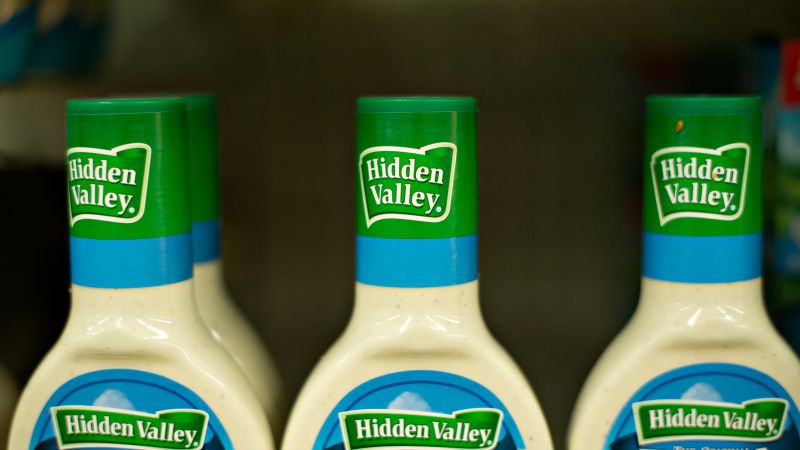
Stacy Stokes, vice president of marketing at Hidden Valley Ranch, explained that the surge in interest is happening naturally. “World Cup fan engagement with the dressing occurred organically,” she told CNN. Yet, the company is seizing the opportunity, planning to distribute seasoning mix packets in host cities this July. These packets can be combined with buttermilk and mayonnaise to recreate the classic sauce, catering to both culinary enthusiasts and casual consumers.
A Sauce with Deep Roots
Ranch dressing’s journey began in the 1950s, when a plumber in Alaska created a unique blend to spice up meals for his coworkers. After retiring to a California dude ranch—a vacation destination where guests can immerse themselves in rural life—he started selling DIY spice kits through mail-order. This innovation caught the eye of Clorox, which acquired Hidden Valley Ranch in 1972. The company then introduced a shelf-stable bottled version, launching the modern ranch dressing that now dominates American kitchens.
Today, ranch is the most popular salad dressing in the U.S., a position it has held for decades, according to the Association for Dressings and Sauces. Its versatility extends beyond salads; it’s commonly used as a dip for snacks like chicken wings and pizza. The sauce’s widespread appeal has also translated into significant sales, with the industry reporting approximately $1.5 billion in revenue over the past year.
Even for those who have spent years abroad, America’s culinary offerings remain compelling. For instance, a CNN reporter based in Hong Kong, who has lived in the U.S. for over 15 years, still keeps a 40-fluid-ounce bottle of Hidden Valley Ranch in her fridge. She sources it from a specialty store that imports American products, underscoring the sauce’s enduring presence in the culture.
Contradictions and Cultural Moments
Despite its popularity, the U.S. faces challenges in global perception. A recent Pew Research Center survey of 36 countries revealed that 57% of respondents hold an unfavorable view of the nation, citing concerns over foreign policy and democratic stability. Yet, the World Cup seems to be changing that narrative, with tourists embracing elements of American cuisine, from Cap’n Crunch cereal to Texas barbecue and Twinkies.
“Wondered why there are so many pink cleats at the World Cup?” asked a curious observer. The answer lies in the cultural exchange happening at the event. The TSA confirmed that European visitors, in particular, are drawn to ranch dressing, often expressing confusion about how to transport it. “We’ve specifically noticed that many travelers are falling in love with the sauce and trying to figure out how to bring it home,” the agency shared via email.
Brands Capitalizing on the Trend
Recognizing the trend, Kraft-Heinz, which also markets ranch dressing, has announced plans to launch a TSA-compliant version. Todd Kaplan, the company’s chief marketing officer, emphasized the importance of aligning with cultural moments. “We’re leaning into that moment,” he said during an interview with CNN’s Richard Quest. “Brand building is about being relevant in these cultural moments where your brand matters.”
While the full impact of tourist interest on sales remains to be seen, Stokes noted early signs of success. “Early indications are it is driving a nice little bump for us,” she said. Hidden Valley, which currently operates in the U.S. and Canada, is testing overseas markets, including Europe. The company recently posted job listings for influencers to travel across the continent and experiment with ranch dressing on traditional dishes like UK fish and chips.
As the World Cup continues, the interplay between sports and food culture is likely to deepen. Ranch dressing, once a simple condiment, now symbolizes a bridge between nations, offering a taste of American innovation to a global audience. Whether it’s the convenience of a carry-on or the nostalgia of a vintage recipe, the sauce has found its way into the hearts of many visitors—and perhaps into the future of international cuisine.
