
Peruvians say they were promised jobs in Russia, but landed on the front lines in Ukraine
Peruvians Say They Were Promised Jobs in Russia, Now in Ukraine Combat
Peruvians say they were promised jobs in Russia, but many now find themselves fighting on the front lines in Ukraine. In late January, Norma’s son boarded a plane in Lima with the hope of escaping poverty and securing a steady income. He was lured by an online ad offering a cooking position with the Russian military, which promised not only a job but also the chance to earn Russian citizenship. Norma, however, harbored doubts. Her 31-year-old son had no prior experience with weapons and had never left Peru before. “I wanted to keep him safe at home, but he was determined,” she said. “He said he’d be just a cook, not a soldier. But a mother’s intuition always senses something more.”
From Promises to Peril: The Recruitment Process
Peruvians say they were promised employment opportunities in Russia, but their reality has shifted dramatically. At the airport, Norma noticed dozens of men with similar stories, all eager to leave their daily struggles behind. They insisted the job offers were enough to justify the journey, even though details about combat were scarce. “He asked me not to embarrass him, to believe in his choice,” Norma recalled. “But I felt something was wrong. I said goodbye, and that was the last time I saw him.”
“I told him, ‘That’s a lie, you are going to fight on the front lines,’” Norma said. “He told me to calm down. Since that day, I haven’t heard from him again.”
Her fears were confirmed when she received videos from her son showing him in battle gear, building shelters, and digging trenches in a Ukrainian forest. Peruvians say they were promised stable jobs, yet he had become a frontline fighter. The videos reveal a stark contrast between the initial offer and the harsh reality. “He said he’d be far from the fighting, but the drones were exploding in the background,” Norma described, highlighting the chaos that now surrounds her son. The recruitment process, she claims, left families with little choice but to accept the risks.
Russian Recruitment Tactics and Global Fallout
As Russia’s war in Ukraine enters its third year, the military has increasingly relied on foreign recruits to fill its ranks. Peruvians say they were promised financial stability and a new life in Russia, but many were unknowingly signed up for combat roles. Reports indicate that Russian recruiters are targeting developing nations, offering high wages and bonuses to men seeking employment. In February, CNN reported that dozens of African men had been lured into military service under civilian contracts, only to be forced into frontline duties. Latin America has followed a similar pattern, with recruiters exploiting economic hardship and digital platforms to recruit individuals for positions that quickly turn violent.
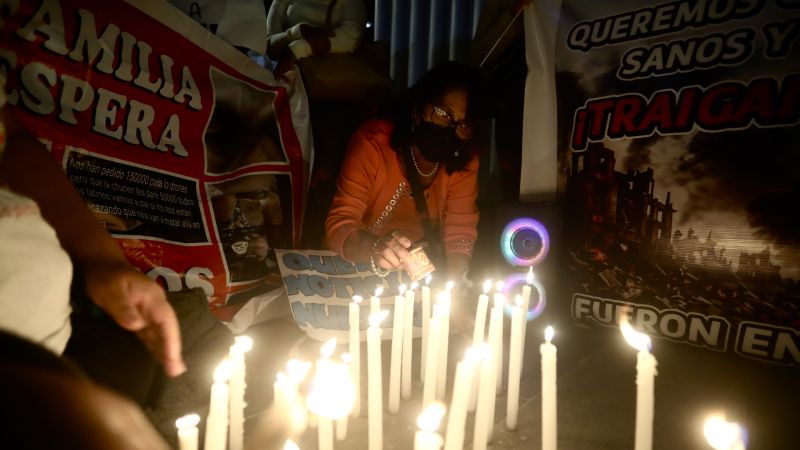
Norma’s son was not the only Peruvian to fall for the promise. A dozen families have protested outside the Russian embassy in Lima, demanding answers about their loved ones’ fates. Many recruits come from lower-income regions where job opportunities are scarce. Pedro Bravo, director of Peruvian Communities Abroad at the Foreign Ministry, noted the growing concern. “These men have limited resources and are desperate for financial support,” Bravo explained. “They don’t fully grasp the realities of being a soldier abroad. It’s easy for recruiters to manipulate their expectations.”
Another Peruvian case involves Rosa’s 48-year-old husband, who had worked as a prison guard in Lima. He volunteered for a security job in Russia, believing it would provide a stable income. “He thought he’d be safe, like he was in a job,” Rosa said. “But once he got there, everything changed.” Her husband, like others, was allegedly tricked into signing Russian-language contracts without understanding the terms. “They never told us we’d be fighting,” she added. “He had no experience with guns, but he was sent to the battlefield.”
