
Wildfires cast a shadow over Utah’s Fourth of July as fireworks are restricted and communities mourn treasured places
Wildfires Cast a Shadow Over Utah’s Fourth of July as Fireworks Are Restricted and Communities Mourn Treasured Places
Wildfires cast a shadow over Utah – Utah faces one of its most perilous wildfire seasons in recent history, prompting state authorities to implement strict limitations on Fourth of July fireworks amid heightened concerns about igniting new blazes. As the nation celebrates its 250th Independence Day, officials have moved to curb the traditional festivities, emphasizing the critical need to prevent further destruction. Governor Spencer Cox admitted in a statement that the decision was particularly tough, highlighting the emotional weight of the choice for Utahns who cherish the annual spectacle.
A Difficult Call for Safety
Cox’s office noted that the current fire conditions are unlike anything seen in the state’s history. “This decision wasn’t made without significant challenges,” Cox said in a Friday press release. “Utahns love celebrating the Fourth of July with family, friends, and fireworks. I do too. But this year is different. We are witnessing fire behavior that even our most seasoned firefighters describe as unprecedented.”
“Nothing about this decision was easy,” Cox added. “We are stretched thin, and the risk of a single spark turning into a catastrophic fire is simply too high.”
The state’s firefighting resources are under immense pressure, with over 700 wildfires burning across Utah this season. Officials attribute much of the devastation to a prolonged drought, parched vegetation, and erratic weather patterns that have created an environment ripe for rapid-fire spread. Over 75% of these fires have been started by human activity, according to state records, underscoring the urgency of the measures.
Extremely Critical Fire Weather Conditions
Fire weather conditions escalated dramatically on Friday, with forecasters assigning the highest risk level—Level 3 out of 3, or “extremely critical”—to much of Utah. This designation, reserved for the most severe conditions, was extended to parts of northern Arizona and eastern Nevada as well. The National Weather Service in Salt Lake City issued its first-ever “particularly dangerous situation” red flag warning, covering central and southern Utah, including the Cottonwood Fire, the state’s largest active blaze.
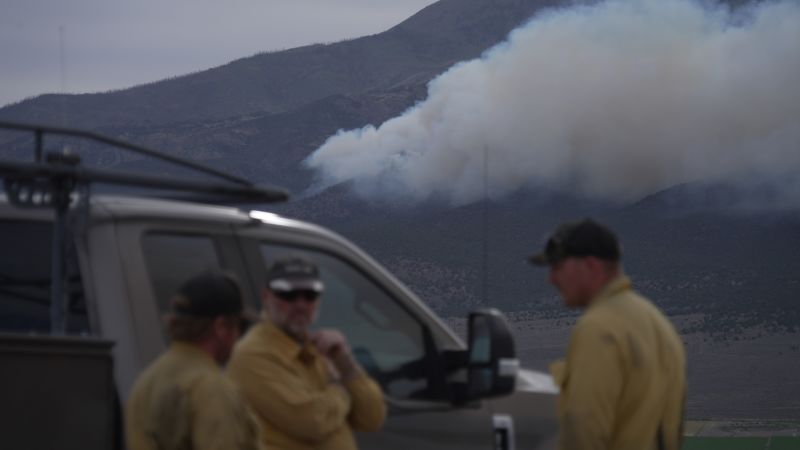
The Cottonwood Fire, which has consumed over 92,000 acres of the Fishlake National Forest near Beaver, Utah, continues to grow at an alarming rate. As of Saturday morning, the fire had already surpassed the area of Salt Lake City in size and remains fully uncontained. Evacuations are in place for affected communities, with officials calling it the most destructive and costly wildfire on record. The exact cause of the fire is still under investigation, though the speed and unpredictability of its spread have left crews scrambling to contain it.
Firefighters on High Alert
More than 1,066 personnel are working tirelessly to combat the Cottonwood Fire, which has demonstrated aggressive behavior that defies typical patterns. Alyssa Mason, a spokesperson for the emergency management team, explained the heightened vigilance required. “We always have safety first out there, and as soon as we see things or start getting feelings, we’ve told the guys to disengage and head to a safe place,” she said in an interview with KSL.
State officials warned that anyone responsible for starting a wildfire through illegal actions could face severe criminal penalties and significant civil liability. The Cottonwood Fire’s impact extends beyond the immediate area, with residents in Beaver Mountain grappling with the loss of beloved cabins and family retreats that have been part of their heritage for generations.
Personal Losses in a Community’s Memory
For many, the destruction is not just about land but about memories. Evan Stapley, a local resident, shared how Beaver Mountain was more than a recreational spot—it was a cornerstone of his family’s history. “To me, nothing’s more beautiful than Beaver Mountain in the fall,” Stapley told KSL. “The aspen yellow, and you get the reds in there and all the greens. There is nothing more beautiful in the world.”
“I saw that and went, ‘That’s just unbelievable,’” Stapley said, recounting the moment he learned his cabin had been lost to the Cottonwood Fire. “The fire must have moved so fast and twirled around in there and just took it … I cried,” he added. “I’ve got too many memories, too many memories of that place.”
Stapley’s emotional response reflects the broader grief felt across the region. Many families have lost irreplaceable properties, with the fire’s rapid advance leaving little time to react. The devastation also reached the Eagle Point Ski Resort, where several structures were damaged or destroyed. Owner Shane Gadbaw posted on Facebook, stating the resort would remain closed as long as the fire’s threat persists.
Broader Impacts of the Season’s Crisis
The restrictions on fireworks are part of a larger effort to manage the crisis. Local leaders, in collaboration with fire officials, are designating specific zones where fireworks can still be used under controlled conditions. This approach aims to balance safety with the cultural significance of the holiday. However, the impact on communities is profound, with many residents forced to forgo their traditional celebrations in favor of cautious planning.
As the fire season continues, the full extent of the damage remains uncertain. Officials are working to assess the economic and environmental toll, but the human cost is already evident. The Cottonwood Fire has not only reshaped the landscape but has also altered the lives of those who called it home. For Stapley and others like him, the loss is deeply personal, and the scars of the fire will linger long after the flames are extinguished.
A Season of Challenges and Resilience
While the Fourth of July is typically a time for joy and community, this year it has been marked by uncertainty and sorrow. The combination of extreme weather, dry conditions, and human activity has created a perfect storm for wildfires, challenging both emergency responders and residents. The state’s emergency management teams are operating at full capacity, with crews constantly adapting to the fire’s unpredictable nature.
Residents in central and southern Utah are urged to remain vigilant, as the situation continues to evolve. The Cottonwood Fire, now a symbol of the season’s severity, serves as a stark reminder of the power of nature and the fragility of human-made spaces. As the community rebuilds, the question remains: how can Utah prepare for future fire seasons, ensuring that the traditions of the Fourth of July are not overshadowed by disaster?
Amid the chaos, officials are emphasizing the importance of collaboration and preparedness. “This is a temporary measure for an extraordinary year,” Cox reiterated. “It protects lives and homes while allowing local leaders, working alongside their fire officials, to identify areas where fireworks can be used safely.”
With the threat of new fires looming, the Fourth of July in Utah has become a test of resilience. The state’s efforts to mitigate the risk are a critical step in preserving what remains, but the memories of the past and the uncertainties of the future will shape the holiday for years to come.
