
American Airlines flight aborts takeoff in Miami after business jet enters the same runway
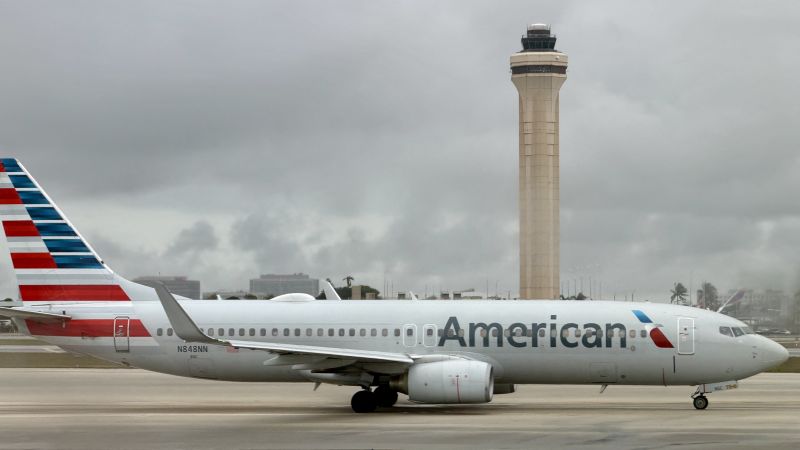
American Airlines Flight Aborts Takeoff in Miami After Runway Near-Miss with Business Jet
American Airlines flight aborts takeoff in Miami, preventing a potential collision with a business jet on the same runway. The incident occurred on Saturday evening at Miami International Airport as Flight 308, bound for Bermuda, was about to depart. A near-miss with a private jet highlighted the importance of precise coordination during takeoff sequences. Air traffic control reports indicate the business jet entered the active runway without prior notice, creating a high-risk situation that required immediate action by the American Airlines crew.
Runway Conflict Disrupts Flight Operations
As American Airlines Flight 308 received clearance for takeoff, a business jet was observed crossing the runway, triggering the abort. The FAA’s monitoring systems detected the conflict, and the crew swiftly halted the departure to ensure safety. This event underscores the critical need for real-time vigilance in air traffic management. The business jet, identified as NetJets Flight EJA434, had reportedly been cleared for a different path, suggesting a possible miscommunication or procedural oversight.
“You just crossed an active runway,” the air traffic controller stated in a LiveATC.com recording. “You just told me to cross the runway, sir,” the pilot responded, indicating confusion over the runway’s status. The controller later clarified that the clearance was issued for NetJets Flight EJA434, raising questions about how the business jet accessed the active runway without prior detection.
The incident has sparked renewed discussions about runway safety protocols, particularly during peak travel times. With the Fourth of July holiday approaching, the increased volume of flights raises the likelihood of such conflicts. The FAA is investigating the cause of the business jet’s presence on the active runway, focusing on communication breakdowns and operational procedures. American Airlines has emphasized the importance of crew training in handling unexpected runway incursions.
Private Jet Operator’s Response and Operational Context
NetJets, the operator of the business jet involved, stated that the aircraft was under the guidance of a third-party maintenance vendor at the time. This arrangement, common in the charter aviation industry, involves outsourcing operational duties to specialized contractors. While this system streamlines efficiency, the incident has raised concerns about accountability and coordination between vendors and air traffic control. A NetJets representative acknowledged the event, praising the quick actions of the American Airlines crew in averting a disaster.
The business jet’s deviation from its assigned path highlights the challenges of managing multiple aircraft in high-traffic environments. Runway incursions, though rare, can occur due to human error, equipment failure, or misinterpretation of clearance instructions. The FAA has been working to enhance communication systems and pilot training to minimize such risks. This case serves as a reminder that even with advanced technology, vigilance remains essential in aviation safety.
Recent Near-Misses and Industry Trends
This incident follows a series of aviation near-misses in recent weeks, including a drone collision with a United Airlines jet in New Jersey. These events have intensified scrutiny on air traffic management practices and the integration of new technologies like drones into existing airspace. The FAA has acknowledged the need for improved safety measures, including enhanced monitoring tools and clearer communication channels between pilots and controllers.
Aviation experts note that runway conflicts are more frequent during summer months due to increased air traffic and complex scheduling. The American Airlines flight’s abort was a testament to the effectiveness of pilot training and quick decision-making in crisis situations. As the FAA investigates, the incident may lead to updated protocols for managing high-density takeoff operations, ensuring safer skies for all travelers. American Airlines has assured the public that the situation is being reviewed to prevent future occurrences.
