
Pope’s July 4 visit to migrant hotspot sends a veiled message to US leaders
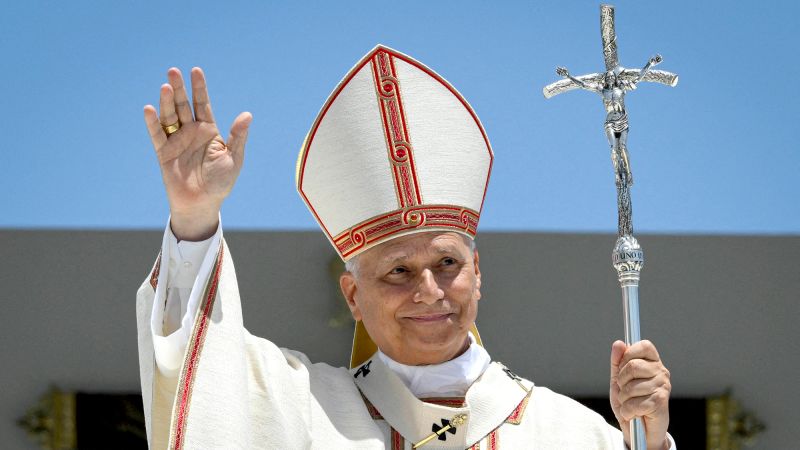
Pope’s July 4 Visit to Migrant Hotspot Sends a Subtle Reminder to US Leaders
Pope s July 4 visit to migrant – On July 4, Pope Leo XIV is set to commemorate the 250th anniversary of US independence by visiting the southern Italian island of Lampedusa, a critical hub for migrants arriving in Europe from North Africa. The trip underscores the Vatican’s growing focus on migration issues, which have become a major point of contention between the papacy and the Trump administration. This summer’s visit comes as tensions persist over how the US handles immigration, with Vice President JD Vance, a Catholic, recently calling the Vatican’s stance on the topic “troubling.”
The Struggle Over Migrant Policies
Migrant policies have long been a point of contention between Pope Leo and US leaders, particularly those who advocate for stricter border controls. During his tenure as the first American pope, Leo has consistently critiqued the administration’s approach, framing it as a violation of human dignity. In recent weeks, Vance has amplified this divide, describing the Vatican’s position as “troubling” amid ongoing debates about the treatment of immigrants in the US. Yet, the pope’s visit to Lampedusa, a place where thousands of refugees and asylum seekers cross the Mediterranean each year, signals a deeper concern for the plight of those seeking safety.
“God doesn’t look for passports and God looks at the dignity of every human being,” Cardinal Blase Cupich, the archbishop of Chicago and a longtime ally of the pope, remarked to CNN. “He’s going to lean into that and call us to our better angels.”
Cupich emphasized that the visit is deeply personal, given that the pope’s family has a history of immigration. Like many Americans, Leo’s ancestors arrived in the US as newcomers, a legacy that fuels his advocacy for migrants. During his time as a bishop in Peru, he provided practical aid to Venezuelans fleeing their homeland, demonstrating the Church’s commitment to supporting displaced communities. Now, as pope, he is using his platform to highlight the human cost of restrictive policies, particularly in countries like the US.
A Symbolic Journey Through History
Lampedusa, known for its role as a gateway to Europe, has been a focal point for the papacy’s engagement with migration. The island’s tragic history—where hundreds of lives are lost in the sea crossing—has drawn the attention of religious leaders for decades. Pope Leo’s visit to the island follows a tradition started by his predecessor, Pope Francis, who highlighted the crisis after his election in 2013. This time, the pope plans to lay a floral wreath on the tombs of those who perished in the Mediterranean, meet with migrants, and celebrate an open-air Mass. These actions are intended to humanize the issue and challenge the perception of immigrants as mere problems rather than people in need.
Archbishop Ronald Hicks, newly appointed to lead the Catholic Archdiocese of New York, echoed this sentiment. Hicks, who spent five years in El Salvador, has firsthand experience of the struggles faced by newcomers. He told CNN that the pope’s message reflects a broader truth: “The United States has always been a country of immigrants. Everyone has come from somewhere at different times.” This perspective aligns with the pope’s view that immigration is a natural part of human history, one that should be met with compassion rather than fear.
Theological Foundations and Legal Challenges
The visit also touches on the intersection of theology and policy. Pope Leo’s critique of the US administration’s immigration practices extends beyond empathy; it is rooted in the Catholic Church’s long-standing teachings on justice and human rights. One such teaching, the Just War theory, has become a central point of discussion. While the theory is often invoked to justify military actions, the pope and his allies argue that the Trump administration’s policies in this area have failed to meet its ethical standards.
“All of the measures that are part of the Just War theory were violated in that action,” Cupich said, referring to the administration’s stance on immigration. “It’s not just about borders; it’s about the moral framework we use to define right and wrong.”
Vance, however, has pushed back, urging the pope to be “careful” when applying theological principles to political decisions. He emphasized that the Just War theory, developed over centuries by thinkers like Saint Augustine of Hippo, is a nuanced framework for evaluating conflict. Cupich, who is the grandson of Croatian immigrants, stressed the importance of maintaining this balance: “You cannot use the Just War theory as a permission slip for policies that strip people of their dignity.”
The Vatican’s position on immigration has evolved since Leo’s election, with the pope appointing bishops from migrant backgrounds to key roles. For instance, one recently named bishop was smuggled into the US from El Salvador at the age of 18, illustrating the Church’s recognition of the personal stakes involved in migration debates. These appointments reflect a strategic effort to align the papacy with the experiences of those affected by immigration policies.
A Call for Reflection and Reform
As the visit unfolds, the pope is not only addressing the immediate concerns of migrants but also encouraging a broader reflection on how society treats newcomers. The Church has become more vocal in recent years, culminating in a rare joint statement by US bishops last December. This statement marked a turning point, signaling a unified front against policies that prioritize borders over human lives.
Cupich recalled the intensity of the conflict during Trump’s presidency, when the president launched a series of sharp criticisms against the pope following his opposition to the war in Iran. “It was unprecedented,” the cardinal said, describing the fallout as a moment when the papacy’s moral authority was under scrutiny. Despite these tensions, Cupich remains hopeful that the Church and US leaders can continue to engage in dialogue, even as they disagree on specific issues.
The visit to Lampedusa is part of a larger effort to reframe the narrative around immigration. By focusing on the human stories behind the statistics, the pope aims to remind leaders of the shared values that underpin the nation’s identity. “How do we see each other as brother and sister?” Hicks asked, highlighting the need for empathy in policy-making. His words serve as a reminder that the US, as a land of opportunity, should also be a land of welcome.
As the world watches this historic trip, the message is clear: migration is not just a political issue but a moral one. The papacy’s continued engagement with Lampedusa underscores its role as a voice for the voiceless, challenging leaders to reconsider the values that define their nation’s character. Whether through acts of remembrance, dialogue, or advocacy, Pope Leo’s visit is a testament to the enduring power of compassion in shaping the future of immigration.
