
America held a big birthday party — and a soccer extravaganza broke out
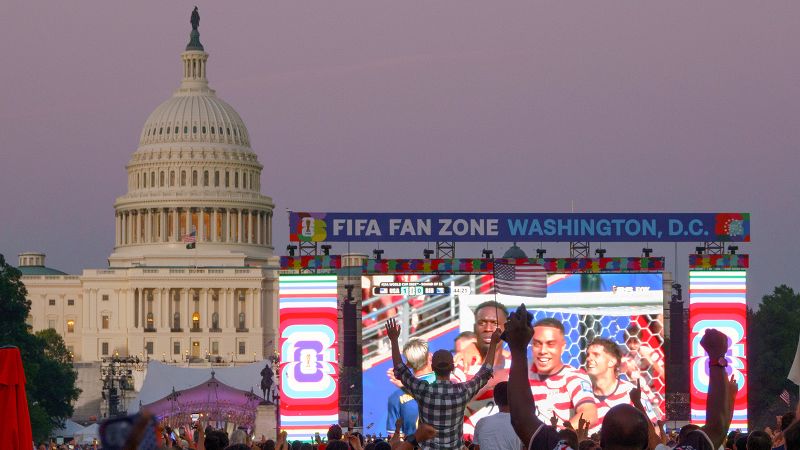
America held a big birthday party — and a soccer extravaganza broke out
America held a big birthday party – On the eve of the United States’ 250th anniversary, the global game of football has become a mirror reflecting the nation’s evolving identity. As the country marked its historic milestone, the World Cup’s arrival in 2026 transformed the landscape of American sports, offering a rare moment of collective joy that transcended political polarization. The tournament, with its vibrant energy and international flair, has not only brought together fans from across the globe but also highlighted the United States’ enduring capacity to embrace cultural diversity and foster unity in times of division.
The Unifying Power of Soccer
Despite years of ideological rifts and economic uncertainty, the World Cup has provided a much-needed respite, drawing people into a shared celebration. Its ability to create a common ground for Americans to gather and cheer has been particularly significant, offering a contrast to the often fragmented political discourse. The game’s universal appeal has allowed fans to momentarily set aside their differences, creating an atmosphere of camaraderie that resonates across communities.
The World Cup’s success in uniting audiences is not just a testament to the sport itself but also to the country’s ability to integrate diverse influences. From the northern reaches of England to the sun-soaked streets of Brazil, the event has showcased how America’s immigrant heritage continues to shape its cultural fabric. The blend of European and South American talent with rising teams from Africa and Asia underscores a national identity that is as fluid as it is dynamic, a mosaic of global influences that has been enriched by centuries of migration.
Players as Symbols of Diversity
Team USA’s roster serves as a microcosm of this diversity. Players like Antonee Robinson, whose upbringing in the north of England is reflected in his speech patterns, and Malik Tillman, a product of the German youth soccer system, illustrate the multifaceted roots of American talent. Folarin Balogun, born in Brooklyn to Nigerian parents and raised in England, exemplifies the concept of birthright citizenship, a cornerstone of the nation’s legal framework. His inclusion in the national team has sparked conversations about the role of heritage in identity, reminding fans of the United States’ foundational principles.
The U.S. Supreme Court’s decision just days before Balogun’s pivotal goal on Wednesday reinforced the importance of these principles. While the court has faced scrutiny for its political leanings, the ruling underscored the resilience of America’s constitutional ideals. In a world where nationalism often takes precedence, the World Cup has offered a platform to celebrate the nation’s inclusive spirit, blending tradition with innovation in a way that feels both authentic and timely.
A Global Stage for Local Celebrations
The tournament’s impact extends beyond the field, with cities across the country transforming into hubs of excitement. Bars and restaurants have become bustling centers of activity, filled with fans wearing the shirts of nations far from their own. This phenomenon is especially notable in areas where economic shifts have left communities feeling disconnected, as the World Cup’s presence has reinvigorated a sense of belonging and participation.
For many, the event has reignited a connection to their cultural roots. The presence of multiple diasporas in the streets post-match highlights how America’s ethnic diversity is not just a demographic fact but a lived experience. Whether it’s the sounds of Brazilian samba, the echoes of Mexican folk music, or the rhythms of old-world traditions, the tournament has become a celebration of heritage and home. This blend of cultures has created a unique atmosphere where the United States’ identity is both reaffirmed and reimagined.
Politics and the Culture of Sports
Yet, the World Cup’s success has not come without challenges. Leading up to the event, concerns about over-commercialization and exorbitant ticket prices were widespread. Critics also questioned the political expediency of FIFA, the governing body of world football, which has faced backlash for its affiliations with various regimes. However, once the first ball was kicked, these concerns faded in the face of the players’ passion and the collective energy of the fans.
The tournament has revealed a broader truth about America: its complexity and generosity often overshadow the bitterness of political debates. While the nation has grappled with divisive rhetoric and anti-American sentiments abroad, the World Cup has offered a counter-narrative. The simple act of cheering for a team, regardless of political affiliation, has become a powerful reminder of the shared values that bind Americans together.
Gianni Infantino’s Vision
“We can see, well, actually this other person from this other part of the world, he’s not so bad or she’s not so bad as described, right?”
FIFA President Gianni Infantino’s words during a speech in Los Angeles encapsulate the tournament’s potential to bridge divides. His comment, delivered with a touch of wit, highlighted how football can challenge preconceived notions about individuals and nations. Infantino envisioned the 2026 World Cup as a catalyst for national pride, aligning the event with the United States’ 250th anniversary to create a historic convergence of sport and celebration.
The global soccer supremo emphasized that football’s ability to unite people is not a new idea but one that has been tested and proven over time. In cities like Los Angeles, where the tournament has drawn massive crowds, the game has become more than a competition—it’s a cultural event that brings people together. This sense of community is particularly meaningful in a time when political polarization often dictates social interactions.
A Contrast to Political Struggles
While the U.S. has faced its share of political turmoil, the World Cup has offered a respite from the endless debates that define the current climate. The tournament’s impact is evident in the way fans from different backgrounds coexist, sharing in the excitement of the game. This inclusivity has sparked discussions about the role of sports in a culture war, where issues like player activism and platform usage have become points of contention.
Comparisons to the ice hockey team, whose Olympic triumph was soon overshadowed by political debates, serve as a reminder of the importance of keeping sports free from partisan agendas. The U.S. team’s ability to remain a unifying force, much like its women’s counterpart, suggests that sports can still be a rare common cause. This is especially refreshing in an era where even the most mundane activities are scrutinized for political implications.
As the World Cup progresses, it continues to challenge stereotypes and celebrate the nation’s diversity. The game has not only provided a platform for athletes from different backgrounds to shine but has also reminded Americans of the shared experiences that define their identity. In a country that often emphasizes individualism, the collective joy of the tournament underscores the enduring power of unity, even in the face of political adversity.
Ultimately, the 2026 World Cup has become more than a sporting event—it’s a symbol of hope and resilience. It reflects the United States’ ability to adapt and grow, embracing the complexities of its past while looking toward a more inclusive future. As fans celebrate in the streets and players give their all on the field, the tournament stands as a testament to the nation’s spirit, proving that even in times of division, the United States can still come together for a common cause.
