To save the midterms, Trump is recharging the grievance politics that made him president

Daftar Isi
Trump Revives Grievance Politics Ahead of Midterms
Earthguardiansonline.com – To save the midterms Trump is again emphasizing the grievance-driven political message that helped define his rise. With elections approaching, he has presented himself as a defender of a national identity he says is under threat.
Rather than focusing primarily on inflation, housing costs, fuel prices, the war with Iran or concerns about artificial intelligence and jobs, Trump has increasingly centered speeches on White Christian culture, religion and social change.
Identity at the Center of the Campaign
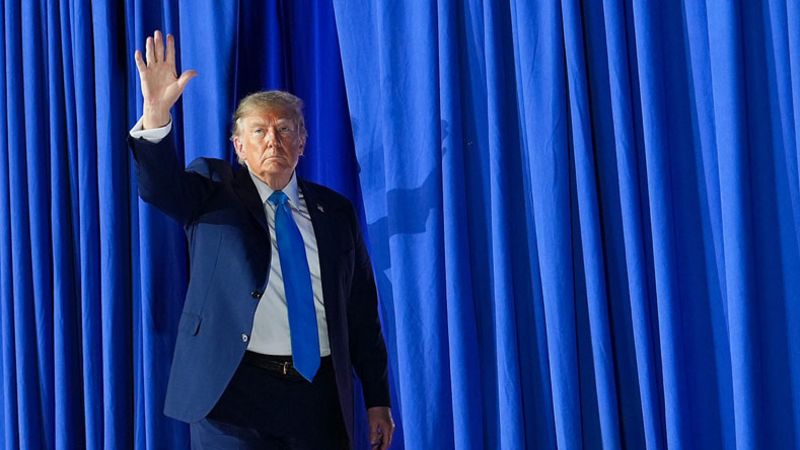
At a Kansas rally on Monday, Trump urged supporters to see the election as a fight to protect the country’s civilization, religion, values and heritage. He also used the antisemitic term “Shylock” while defending Republican Sen. Roger Marshall against criticism involving medical billing practices.
“Americans are going to stand up and declare that we will protect our civilization, we will preserve our religion, our values and our heritage, and we will never let our nation be conquered or destroyed by people that hate us,” Trump said.
The term “Shylock” carries a longstanding antisemitic association with moneylending and greed. Trump had already drawn criticism for using it publicly in 2025, making its renewed use notable.
To save the midterms Trump has framed political disagreements as questions of identity, loyalty and belonging. That approach can mobilize supporters, but it can also intensify religious and racial divisions by suggesting that some Americans are less entitled than others to shape the country’s future.
Religious and Racial Attacks
Trump targeted Democratic Senate candidates with inflammatory claims. In Kansas, he said Democratic nominee Adam Hamilton had told people to “repent because you were born White,” a characterization that distorted Hamilton’s broader comments about race, reflection and faith.
Trump also questioned Hamilton’s role as a religious leader at the United Methodist Church of the Resurrection, saying his views were not those of a pastor. At the same event, Trump said he was not deeply versed in the Bible but repeated an unnamed Texas religious leader’s prediction that he could lead the country into an unprecedented era for Christianity.
In Michigan, Trump has repeatedly called Democratic Senate candidate Abdul El-Sayed a “jihadist,” including during a Tuesday night appearance in North Carolina. El-Sayed was born in the United States. Trump also referred to him as “Mohammed,” despite that not being his name.
Those comments rely on broad religious and ethnic stereotypes. They move beyond policy criticism by treating a candidate’s background or faith as evidence of extremism or disloyalty.
Trump also renewed attacks on Somali-born Minnesota Democratic Rep. Ilhan Omar, a naturalized US citizen, questioning whether she was entitled to constitutional rights. The remarks fit a wider campaign message that casts immigration, religion and race as defining tests of American identity.
Why the Rhetoric Matters
The strategy behind To save the midterms Trump is clear: shift attention from difficult policy conditions toward a cultural conflict in which supporters are asked to see the election as a defense of faith, heritage and national survival.
For voters, the effect may be to make the campaign feel less like a debate over legislation and more like an argument about who belongs in American public life. That can sharpen political engagement, while also worsening tensions among communities already affected by racial and religious hostility.
Frequently Asked Questions
What is Trump emphasizing before the midterm elections?
Trump is increasingly emphasizing cultural, religious and identity-based themes, alongside attacks on Democratic opponents, instead of concentrating solely on economic and foreign-policy concerns.
Why has his language drawn criticism?
Critics say his references to candidates’ race, religion and immigrant background use harmful stereotypes and can deepen divisions among Americans.
What should US voters consider when evaluating campaign claims?
Voters can compare candidates’ statements with their full comments, review their policy positions and consider how campaign language may affect local communities and public debate.