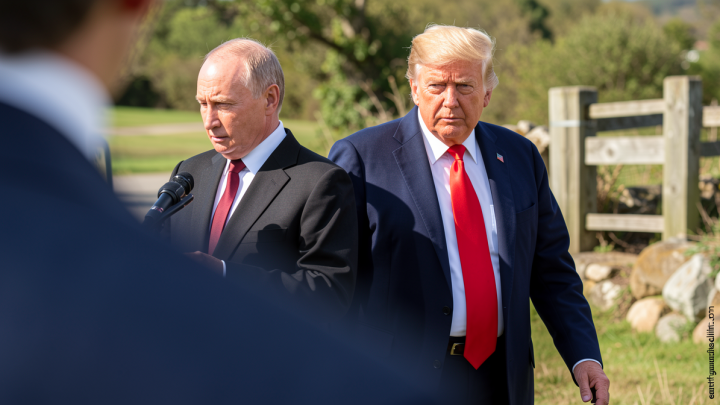
Trump calls for NBC’s Kristen Welker to face ‘rebuke or punishment’ from the FCC

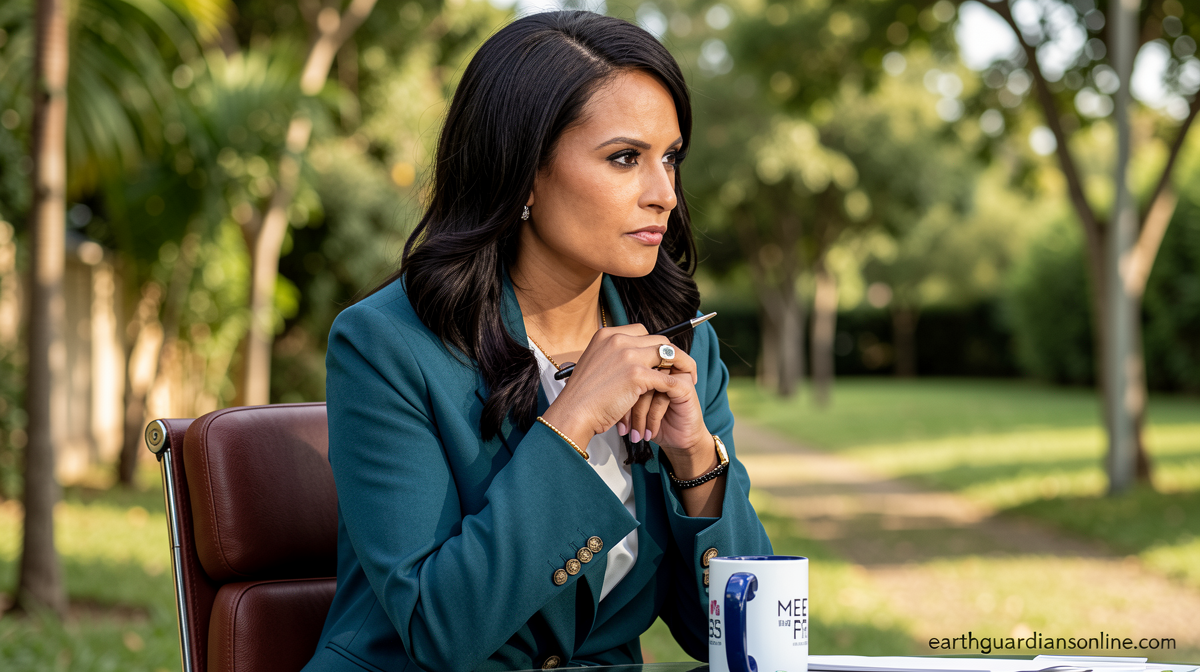
Trump Calls for NBC’s Kristen Welker Punishment
Earthguardiansonline.com – Trump calls for NBC’s Kristen Welker to face formal sanction from the Federal Communications Commission, according to a pair of social-media posts published Sunday. The president singled out the longtime anchor of NBC’s “Meet the Press,” accusing her of distorting his electoral-endorsement record and demanding that the broadcast regulator impose a “rebuke or punishment.” The language marks the most explicit presidential directive yet for the FCC to discipline an individual journalist over a single on-air observation.
In a follow-up post the same day, Trump turned his attention to what he labeled “fake polls,” typed entirely in capitals, and closed with the exhortation “FCC to the rescue!” Read together, the two messages frame the commission not as an independent statutory body but as an enforcement extension of the White House’s editorial preferences.
The Endorsement Dispute and Its Factual Core
The trigger was a brief remark Welker made while promoting the next episode of “Meet the Press” on NBC’s Washington, D.C. affiliate. She characterized the president’s recent slate of candidate endorsements as yielding “mixed results.” NBC’s own reporting that month had tallied six Trump-backed candidates for House seats and governorships who lost their primary contests.
Trump’s response was a lengthy, heavily capitalized post that opened by branding Welker the “Unpopular ‘Hostess’ of the once great Meet the Press, now considered Meet the Fake Press.” He then cited what he described as a 100 percent win rate for Senate-endorsed candidates and a 98 percent rate for House-endorsed candidates, naming Darline Graham and Mike Mazzei as recent examples, before asking rhetorically how anyone could voice such criticism “working for freely given Public Airwaves.”
“The Press is a Disgrace to our Nation, and I hope that Chairman Brendan Carr, and the fine people of his Commission, will take this Threat to our Country very seriously.”
The post effectively asked the agency to treat a disagreement over a news characterization as a licensable offense—a step with no clear precedent in FCC history.
Legal Limits and the Carr Commission’s Shifting Posture
The commission’s own website states plainly that it “cannot prevent the broadcast of any particular point of view.” Decades of First Amendment doctrine confine the FCC’s content authority to narrow technical and indecency standards; there is no statutory pathway for a viewer—or a sitting president—to file a complaint that triggers a punitive proceeding against a licensee. Any member of the public may lodge a complaint, but the agency has never historically treated editorial disagreement as grounds for sanction.
Under Chair Brendan Carr, a Trump appointee and close political ally, the institutional posture has nonetheless shifted. Carr has moved quickly to respond to presidential grievances aimed at media organizations, and former commissioners from both parties have publicly described the trend as an effort to weaponize the agency and chill protected speech. Carr did not respond to requests for comment on the Welker matter.
A Broader Pattern of Regulatory Moves
The Welker episode sits within a sequence of actions that have drawn legal challenges and industry alarm. In March, following a similar Truth Social complaint, Carr issued a public threat to broadcasters over their coverage of the Iran war. In April, one day after Trump publicly called for the firing of comedian Jimmy Kimmel, the FCC chair initiated an unusual challenge to ABC’s local station licenses, defending the move by pointing to his investigation of Disney’s diversity, equity, and inclusion practices. Disney, ABC’s parent company, filed a First Amendment lawsuit against the commission earlier this month.
Carr also maintains an open investigation into Comcast, NBC’s parent company, over what he has termed “invidious forms of DEI discrimination.” Broadcast-industry observers note that the convergence of these probes with the president’s social-media complaints raises questions about whether the enforcement docket now tracks White House editorial grievances more closely than it tracks statutory mandates.
Frequently Asked Questions
Can the FCC actually punish a journalist for a news comment? Under current First Amendment jurisprudence and the agency’s own stated mandate, the FCC lacks authority to sanction a licensee solely because a viewer or president disagrees with editorial content. Its content powers are limited to narrow technical and indecency standards.
Who is Kristen Welker and what show does she host? Welker is the longtime moderator of “Meet the Press,” NBC’s flagship Sunday morning news program. She made the remarks in question while promoting an upcoming episode on the network’s Washington, D.C. station.
What did Trump specifically ask the FCC to do? In his Sunday post, Trump said Welker would be “reported to the FCC for rebuke or punishment” and urged Chairman Brendan Carr and his commissioners to take what he called a “Threat to our Country very seriously.”
Has the FCC acted on similar presidential complaints before? Carr has responded to prior presidential grievances, including a March threat over Iran-war coverage and an April challenge to ABC station licenses. Disney subsequently sued the commission under the First Amendment. No prior action has resulted in a sanction imposed solely for editorial disagreement.