Missile shortages, damage to US facilities: Pentagon watchdog issues first review of Iran war

Daftar Isi
Pentagon Review Details Iran War Damage and Missile Strains
Earthguardiansonline.com – Missile shortages damage to US facilities are among the central findings of a new Pentagon inspector general review examining the opening months of the Iran war. Covering February 28 through June 30, the assessment describes damaged American installations, strained weapons inventories and major disruptions to military and diplomatic operations across the Middle East.
US Central Command said Iranian attacks damaged or destroyed hundreds of buildings and structures at bases in Kuwait, Bahrain, Qatar, the United Arab Emirates, Saudi Arabia, Iraq, Oman and Jordan. The review did not put a total price tag on military-site damage, but it found that installations supporting air, naval, medical and supply missions were significantly affected.
Operations and logistics faced new pressure
The report also describes pressure on US munitions stocks after attacks destroyed important equipment, including missile-defense radar assets early in the conflict. As threats intensified, Central Command moved personnel, equipment and storage sites to limit exposure, reshaping routine regional operations.
Medical support was among the services affected. Army medical evacuation helicopters were withdrawn from Iraq and Kuwait, leaving ground transportation to conduct most evacuations to nearby treatment facilities. The change showed how the conflict altered both combat missions and everyday support for deployed troops.
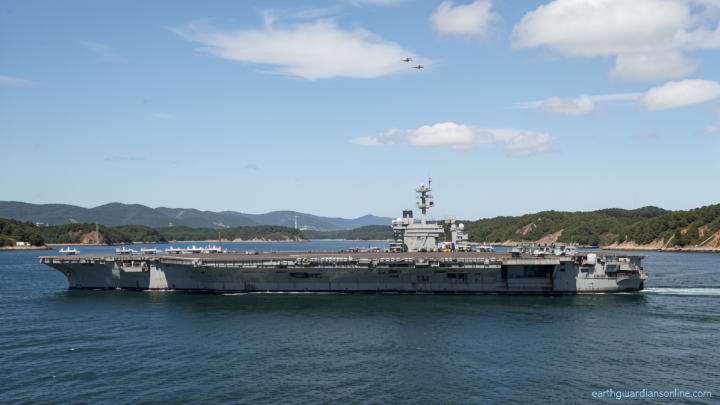
Naval forces faced separate difficulties after Bahrain’s regional Navy hub was destroyed. Acting Navy Secretary Hung Cao said Iran had “blew the hell out of” the facility. The inspector general concluded that the loss made it harder to secure adequate naval basing and port-support capacity.
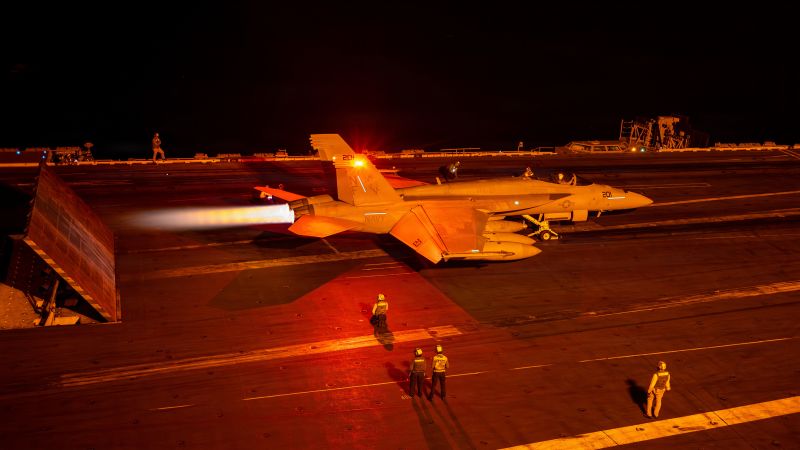
Diego Garcia became an important maritime logistics center, but its use extended resupply cycles to about 14 to 18 days. Sailors also faced periodic supply shortages and interruptions to regional military mail during extended Persian Gulf deployments supporting air operations and the later blockade of Iranian ports.
Diplomatic facilities recorded major losses
The Pentagon review, prepared with oversight offices from the State Department and US Agency for International Development, estimated damage to American diplomatic facilities at about $184 million. Compounds in Iraq, Kuwait, Saudi Arabia and the United Arab Emirates were among those hit by Iran and allied forces.
Iraq accounted for the largest share of reported diplomatic damage, with more than 600 attacks against US facilities and roughly $157 million in damage. In early March, two Iranian drones struck the US Embassy in Riyadh, causing extensive damage that included the CIA station within the compound.
A drone attack in Dubai damaged a utility building at the US consulate. Secretary of State Marco Rubio said the strike hit a “parking lot adjacent to the chancellery building.” The US Embassy in Kuwait suspended operations in March after drone damage; emergency services for Americans resumed in late June, although operations had not returned to normal.
Regional staffing and presence may change
Between February 23 and June 30, as many as 3,500 diplomatic personnel left the region as most US posts operated under authorized or ordered departure arrangements. Bahrain, Iraq, Jordan, Qatar, Saudi Arabia and the United Arab Emirates moved to ordered departure within weeks of the war’s start, requiring non-emergency employees and family members to leave.
The review indicates that missile shortages, damage to US facilities and longer supply routes may have effects beyond the immediate fighting. Military and intelligence officials have discussed possible lasting reductions in US personnel and facilities across the region after the war ends.
FAQ: What the Pentagon Review Means
Which US locations were affected?
The review identified damage at military sites in Kuwait, Bahrain, Qatar, the United Arab Emirates, Saudi Arabia, Iraq, Oman and Jordan. It also documented damage at US diplomatic facilities in several regional countries.
How did the conflict affect military supplies?
Damaged equipment and disrupted basing increased pressure on weapons inventories and logistics. Resupply operations routed through Diego Garcia took about 14 to 18 days, contributing to periodic shortages for sailors deployed in the Persian Gulf.
Did embassy services continue during the conflict?
Services varied by location. The US Embassy in Kuwait halted operations after drone damage, then restored emergency services for Americans in late June while broader operations remained limited.