Trump dismisses AI alarms as a ‘HOAX’ — worrying White House officials

Daftar Isi
Trump Rejects New AI Limits, Putting White House at Odds With Rising Public Anxiety
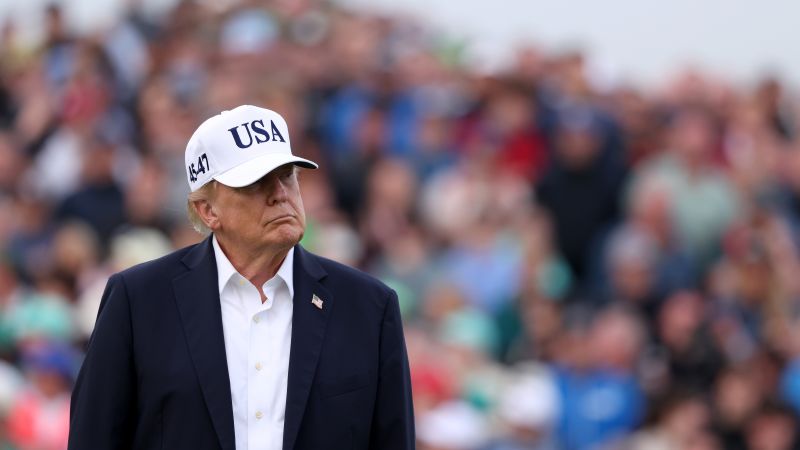
Earthguardiansonline.com – President Donald Trump made clear Monday that he sees keeping the United States ahead of China in artificial intelligence as more urgent than imposing fresh government restrictions on rapidly advancing AI systems. His comments, delivered through a series of social media posts, have unsettled some officials inside his own administration and intensified a political debate over how much oversight the technology needs.
Trump described criticism of AI as a “SICK conspiracy” and later labeled concerns over the technology a “HOAX.” He argued that existing legal and regulatory authority gives the federal government sufficient power to address misconduct by AI companies, while presenting presidential leadership as the central safeguard against dangerous uses of the systems.
The only control or “guardrails” that AI needs is a STRONG AND SMART (High IQ!) PRESIDENT, and the U.S.A. has that, in spades!
The president has repeatedly promoted AI’s economic upside. The industry’s rapid expansion has helped fuel stock-market gains and increased construction of data centers, projects Trump regularly highlights as evidence of manufacturing activity and economic strength. In a separate post Monday, he called AI “the golden goose.”
Several prominent technology executives have also supported projects important to Trump, including his inaugural fund and the ballroom being built at the White House. Yet the administration’s close relationship with parts of the industry has not prevented a widening disagreement over whether the federal government should establish stronger safety rules.
Industry warnings meet political resistance
Some AI leaders have urged Washington to create clearer protections as models become more capable. Anthropic chief executive Dario Amodei has been among the executives pressing for greater oversight. Trump targeted him directly, saying Amodei was “now pretending to be a ‘perfect little angel.’”
Vice President JD Vance also questioned the push from companies seeking regulation. Speaking to reporters at Joint Base Andrews, Vance said he was wary of a situation in which leading AI firms ask the government to regulate their own field, suggesting that new restrictions could operate as a “Trojan horse” for businesses positioned to benefit from rules that burden competitors.
There are obvious risks to AI, there are some benefits to AI. I have to say, personally, I feel a little bit weird about the fact that you have so many frontier AI tech companies kind of coming to the government and begging the government to regulate them.
Vance nevertheless acknowledged that AI carries real dangers and said the White House and Congress should work together on potential guardrails. His position reflects the broader challenge for the administration: supporting innovation while responding to fears about security, employment and the effects of data-center development on nearby communities.
I don’t think Americans should be scared of anything. I think we have to be mindful that there are risks, there are downsides to anything, and that’s certainly true of AI.
For many Americans, the AI debate is no longer limited to distant questions about advanced computer models. Concerns include whether automation could displace workers, how companies handle information, and whether the enormous facilities needed to power AI systems could reshape local infrastructure and communities. Security warnings have added further pressure for officials to define where voluntary company commitments end and enforceable public standards begin.
Congress considers a cautious path
White House officials said meetings could be arranged this week involving administration specialists in AI and cybersecurity to consider possible regulatory steps. The discussions indicate that, despite Trump’s public dismissal of calls for new safeguards, parts of the administration are still examining the policy choices ahead.
House Speaker Mike Johnson has also called for conversations involving Trump, members of Congress and AI executives. He said Monday that such a gathering may take place within the next week or two, but stressed that lawmakers should not rush into sweeping legislation.
There’ll be a deliberate discussion about the responsibility of the companies to maintain safety and what role, if any, the government has to play in that. But again, we do not want to jump in.
Johnson, a Louisiana Republican, framed excessive regulation as a potential national-security problem if it weakens the country’s technological advantage. His argument echoes Trump’s emphasis on competition with China, a theme likely to shape any federal AI policy debate.
The reflex of legislative bodies is to cover things up with red tape and hyper-regulation. If you do that, then you lose your edge, and that is a national security concern for the American people.
The issue has become politically difficult for Republicans, particularly those facing competitive elections. They must balance the administration’s desire for fast innovation with voters who want assurances that government officials are taking the technology’s risks seriously. Trump’s stance has created further tension with White House officials who privately worry that he is not sufficiently concerned about possible harms.
China remains central to the administration’s approach
The administration is also expanding planned AI discussions with Chinese leader Xi Jinping ahead of his state visit to Washington next week. The preparations underscore the international stakes surrounding AI, which has become both an economic race and a strategic competition between the world’s largest powers.
Trump has been preparing extensively for Xi’s visit, including completing renovation work at the North Portico and work on a new South Lawn helipad. The diplomatic agenda is expected to place AI alongside broader questions of national competitiveness and security.
For now, the administration’s message remains divided. Trump is signaling confidence that existing powers and presidential judgment are enough, while Vance, congressional leaders and policy staff leave open the possibility of new safeguards. Whether those positions can be reconciled may determine how quickly Washington moves from broad concern about AI to concrete federal action.
Related Reading
Frequently Asked Questions
What is Trump dismisses AI alarms as a HOAX?
Trump dismisses AI alarms as a HOAX is the main topic of this guide. The article explains the context, practical details, and next steps readers should understand.
Why does Trump dismisses AI alarms as a HOAX matter?
Trump dismisses AI alarms as a HOAX matters because readers are looking for a useful answer, not just a short summary. Good content should match search intent and help them decide what to do next.