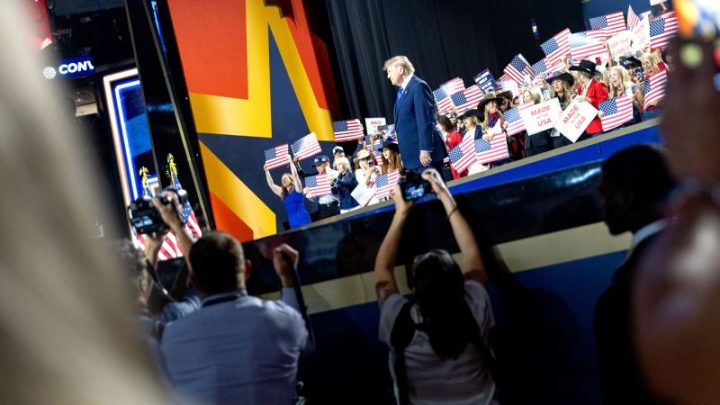
Trump sees three new GOP defections in House vote to end Iran war


Daftar Isi
House Vote Deepens Republican Split Over Iran War
Earthguardiansonline.com – The House delivered a fresh challenge to President Donald Trump’s Iran policy on Tuesday, approving a measure directing him to end the conflict. The vote comes only weeks before the November midterm elections and gives Democrats another opportunity to highlight divisions within the Republican Party over the administration’s use of military force.
Seven Republicans joined House Democrats in supporting the resolution, an increase from the four GOP lawmakers who backed the two previous House efforts to limit Trump’s military authority in Iran. The measure represents the third time the Democratic-led chamber has voted to require a withdrawal of US troops from the conflict.
Democrats view the latest action as especially consequential because it is among the House’s final major votes before Election Day. The resolution also places lawmakers on the record at a moment when questions about military spending, fuel prices and the wider economic effects of the war are becoming central political issues.
Three New Republicans Back the Measure
Reps. Mariannette Miller-Meeks and Zach Nunn of Iowa, both of whom represent competitive districts, were new Republican supporters of the resolution. Rep. Nancy Mace of South Carolina, who will leave Congress after this term, also voted with Democrats.
They joined four Republicans who had already voted for previous Iran war powers measures: Reps. Thomas Massie of Kentucky, Tom Barrett of Michigan, Warren Davidson of Ohio and Brian Fitzpatrick of Pennsylvania.
The growing number of Republican supporters gives the vote added political weight, even though House GOP leaders formally do not direct members how to vote on war powers resolutions. Such votes are generally treated as matters of individual judgment, reflecting Congress’ constitutional role in decisions involving war and military force.
I will not support another open-ended war. We can defend Americans, pressure Iran, and pursue peace while ensuring Congress fulfills its constitutional responsibility.
Nunn posted that statement on X after casting his vote. His comments reflected a central argument from supporters of the resolution: that lawmakers can favor protecting Americans and confronting Iran while still insisting that Congress retain a meaningful role in determining the scope and duration of US military involvement.
Trump Has Treated the Issue as a Party Test
Although Republican leaders did not officially whip the vote, Trump has sharply criticized Republicans who have opposed him on Iran policy. His public response has made clear that he considers support for the war an important measure of loyalty within the party.
That pressure has already affected earlier congressional efforts. In one of the most dramatic episodes involving limits on Trump’s Iran authority, enough Senate Republicans initially supported a measure for it to pass. White House pressure later led a GOP senator to reverse that position.
The Senate’s next move remains uncertain. Democrats intend to bring the measure forward later this week, but it is not yet known whether enough senators will support it. The House vote does not automatically end the military operation; it adds pressure to the Senate and the White House while underscoring Congress’ continuing dispute with the administration.
Economic Concerns Add to Political Pressure
The conflict is increasingly being debated not only as a national-security issue, but also as a matter of household costs and economic stability. A budget watchdog has warned that the Iran war is expected to push US inflation higher. Diesel prices have climbed above $6 per gallon, adding pressure on transportation and shipping costs that can filter through to consumers.
Public unease has also become more visible. A summertime poll found that 67% of respondents believed Trump’s decisions on military action in Iran had harmed the United States. That skepticism creates a difficult environment for lawmakers seeking to defend an extended military campaign, especially in closely contested districts.
For much of 2026, Democrats have used Iran-related votes to require Republicans to publicly state where they stand on the administration’s military strategy. They argue that the hostilities have developed into the country’s first one-party war, with the White House driving policy while much of Congress remains divided over the mission’s objectives, limits and duration.
Resistance within Trump’s own party has also complicated the administration’s effort to secure additional money for the conflict. The Pentagon’s request for billions of dollars in further funding is now expected to remain stalled until after the midterms.
The House resolution therefore carries significance beyond its immediate legislative effect. It reveals a broader dispute over whether the United States should continue an open-ended confrontation with Iran, how much authority a president should hold in wartime and whether congressional approval must play a larger role before the conflict expands further.
With the election approaching, both parties are likely to use the vote to sharpen their messages. Democrats will portray it as an effort to restore congressional oversight and prevent a prolonged war. Republicans who supported the measure are positioning themselves as willing to break with the president over military commitments they believe lack clear limits. The Senate vote later this week will show whether that concern has grown beyond the House.
Related Reading
Frequently Asked Questions
What is Trump sees three new GOP defections?
Trump sees three new GOP defections is the main topic of this guide. The article explains the context, practical details, and next steps readers should understand.
Why does Trump sees three new GOP defections matter?
Trump sees three new GOP defections matters because readers are looking for a useful answer, not just a short summary. Good content should match search intent and help them decide what to do next.