
Apple is hiking the prices of MacBooks and iPads due to the memory chip shortage
Apple Raises MacBook and iPad Prices Amid Memory Chip Shortage
Price Adjustments Reflect Component Cost Surge
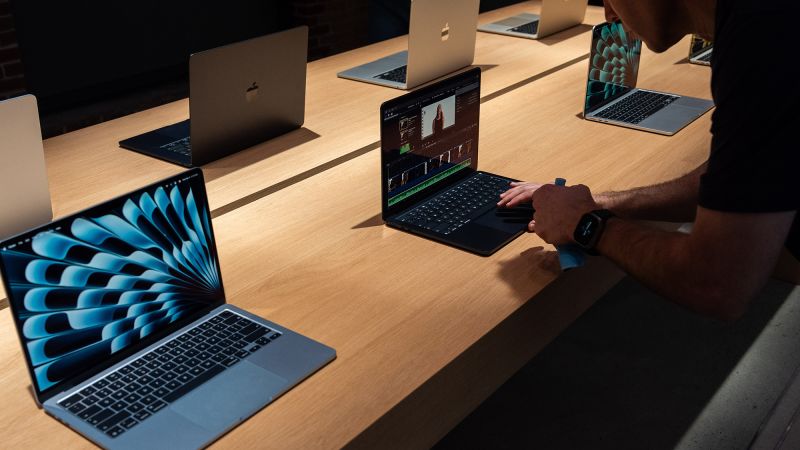
Apple is hiking the prices of MacBooks – Apple has announced price hikes for its MacBook and iPad lines, signaling a response to soaring demand for memory chips driven by the AI industry’s rapid growth. Effective today, the entry-level MacBook Neo now costs $699—$100 more than its previous price of $599. Similarly, the budget iPad model has climbed to $449, up from $349. The iPad Mini also sees a $100 increase, now priced at $599. Other products, such as the Apple TV and Apple Vision Pro headset, have undergone similar adjustments, with the former reaching $199 and the latter hitting $3,699. These changes are part of a broader trend as Apple navigates rising production costs.
Market Dynamics and Supply Chain Pressures
The decision to hike prices is closely tied to the memory chip shortage, which has strained the tech sector’s supply chains. As AI-driven technologies demand more advanced hardware, the global demand for high-capacity memory modules has skyrocketed, driving up prices for manufacturers. Apple’s pricing strategy, typically known for its stability, now reflects the urgency of securing these critical components. The company has emphasized that these adjustments are necessary to maintain product quality and meet market expectations.
“Apple is hiking the prices to ensure we can continue delivering top-tier devices, even as component costs rise sharply,” stated a company representative in a recent press release.
Tim Cook, Apple’s CEO, has acknowledged the challenge, noting that the AI industry’s expansion has created unprecedented pressure on semiconductor suppliers. “This isn’t just a temporary shift—it’s a reflection of long-term market trends that we’re adapting to,” he explained in an interview with the Wall Street Journal. The increased cost of memory chips has forced Apple to balance affordability with the need to cover expenses, leading to adjustments that affect multiple product lines.
Broader Industry Trends and Consumer Impact
The memory chip shortage isn’t just affecting Apple—it’s reshaping the entire consumer electronics landscape. With data centers and smart devices requiring more memory, the scarcity has created a ripple effect, pushing up costs for products across the board. While Apple’s updates are modest compared to some competitors, they underscore the ongoing challenges in the tech sector. Consumers, however, are reacting with mixed feelings, as price increases may influence purchasing decisions for upcoming models.
Analysts predict that the trend of Apple is hiking the prices could persist, particularly if the supply chain issues continue. The company has maintained that these adjustments are temporary, but the global chip shortage shows no signs of abating. Apple’s ability to manage inventory and production schedules has helped soften the impact, yet the long-term effects on customer spending remain uncertain. The company is also exploring alternative memory technologies to reduce dependency on current suppliers.
Consumer Reactions and Market Speculation
Some users have expressed frustration over the price hikes, particularly as the AI industry’s growth accelerates. While the increases are relatively small for flagship models, they add to a growing list of tech companies adjusting their pricing strategies. “It’s frustrating to see Apple is hiking the prices again, especially when I was hoping for a budget-friendly upgrade,” remarked one customer. However, others understand the necessity, citing the need for Apple to maintain innovation and quality amid supply chain disruptions.
Despite the price changes, Apple remains a dominant force in the market. Its brand loyalty and product reliability continue to attract buyers, even as costs rise. The company’s statement highlights its commitment to meeting consumer needs, though the adjustments may prompt some to delay purchases or seek alternatives. As the tech sector evolves, Apple’s strategy of passing on increased component costs to customers appears to be a calculated move to sustain its competitive edge in a challenging environment.
