Person fined $5,000 for using foghorn to disturb sleeping polar bear

Daftar Isi
Arctic Tourism Incident: Foghorn Blare Wakes Sleeping Polar Bear in Svalbard
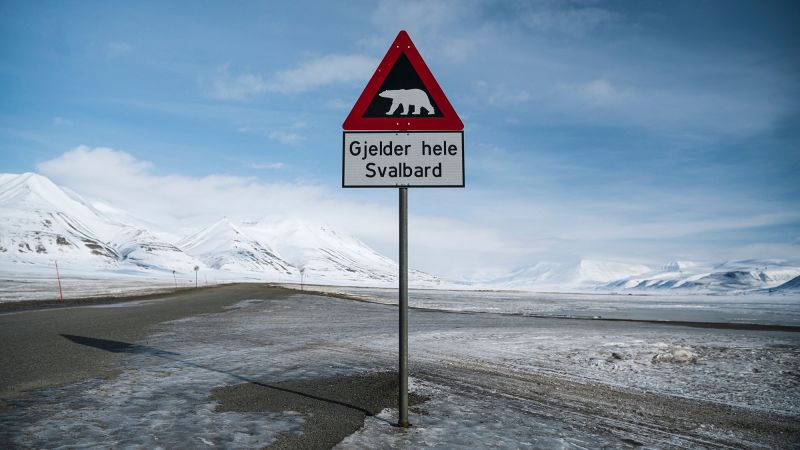
Earthguardiansonline.com – A maritime visitor has been penalized for using a ship’s foghorn to disturb a resting polar bear on the shores of Norway’s Svalbard archipelago. The governor of the Arctic territory announced the penalty on Thursday, confirming that the individual’s actions were both intentional and disruptive to the protected wildlife. The episode unfolded during the first weeks of August aboard a vessel navigating through a fjord in northern Svalbard. This remote Arctic island group occupies a strategic position approximately midway between mainland Norway and the North Pole. Someone on the ship activated the booming, low-pitched horn—a device traditionally employed for maritime safety warnings—causing the slumbering bear to awaken.
Penalty and Legal Framework
The governor of Svalbard determined that the foghorn blast constituted an intentional disturbance, resulting in a fine of 50,000 kroner, equivalent to approximately $5,300. The individual has since agreed to pay the penalty. Environmental protection legislation within Svalbard explicitly prohibits activities that “unnecessarily disturb, lure or pursue polar bears.” This species has enjoyed international protection since 1973, and hunting has been illegal on the territory since polar bears received their protected status. Regulations governing human-wildlife proximity vary by season. Between July and February, visitors must maintain a minimum distance of 300 meters, or 984 feet, from any polar bear. During the spring months of March through June—when polar bears typically engage in mating activities—the exclusion zone expands to 500 meters, or 1,640 feet.
Summer Challenges for Arctic Wildlife
The timing of the incident proved particularly significant. Polar bears in the region face considerable challenges during the summer months when sea ice retreats. Without their primary hunting platform, bears must rely on stored energy reserves while fat-rich seals become less accessible. Geoff York, vice president of research and policy at Polar Bears International, provided expert context regarding the incident’s potential ecological impact.
Bears resting in the summer ice-free season with fewer sources of high fat calories accessible, often choose to just wait out the lean times with very long naps and very little movement if they are in good body condition: which for a bear means on the chubby side.
York emphasized that disturbing bears during this critical period could affect their survival prospects and reproductive success, particularly for pregnant or nursing females who must conserve energy.
Disturbing bears during this time of year may be more significant for their survival or potential reproductive success if it’s a pregnant or nursing female by causing them to burn calories unnecessarily.
Population and Migration Patterns
The Svalbard and Barents Sea region—part of the Arctic Ocean and divided between Norwegian and Russian territorial waters—supports an estimated 3,000 polar bears. While many individuals migrate to Franz Josef Land, Russia’s northernmost archipelago, approximately 300 polar bears remain on Svalbard throughout the entire year. The population count fluctuates seasonally as bears move in and out of the territory. Recent observations indicate that polar bears in Norway’s Arctic waters are becoming fatter and healthier despite ongoing sea ice melting trends.
Precedent and Enforcement
This is not the first time authorities have penalized visitors for wildlife disturbances in Svalbard. In 2024, a tourist received a fine of 12,500 kroner, roughly $1,300, after attempting to approach a walrus. In that case, members of the public alerted officials, and the man was intercepted by the governor’s employees. Governor Lars Fause detailed the sequence of events in his official statement. When the vessel sailed past the resting animal, its occupants reportedly spotted a polar bear sleeping on land. Someone aboard then activated the ship’s foghorn, waking the creature, which subsequently moved to a different location. York expressed encouragement that Svalbard’s authorities responded swiftly to the incident. His organization, which focuses on protecting polar bears and their sea ice habitat, views such enforcement actions as important deterrents against future disturbances. The incident highlights the delicate balance between Arctic tourism and wildlife conservation in one of the world’s most pristine environments. As visitor numbers continue to grow, authorities face increasing pressure to enforce regulations that protect vulnerable species while allowing people to experience the region’s natural wonders.
Related Reading
Frequently Asked Questions
What is Person fined 5 000 for using?
Person fined 5 000 for using is the main topic of this guide. The article explains the context, practical details, and next steps readers should understand.
Why does Person fined 5 000 for using matter?
Person fined 5 000 for using matters because readers are looking for a useful answer, not just a short summary. Good content should match search intent and help them decide what to do next.