‘The Godfather’ landed in this Sicilian village in 1971. Life was never the same again


The Godfather’s Legacy in Sicily and Global Travel Highlights
The Godfather landed in this Sicilian – Subscribe to Unlocking the World, CNN Travel’s weekly newsletter, to stay updated on global travel trends, emerging destinations, and the latest innovations in aviation, food, and accommodations. This week’s roundup includes insights into iconic film locations, cutting-edge infrastructure projects, and standout culinary achievements that are reshaping the travel landscape.
Savoca’s Transformation by Hollywood’s Touch
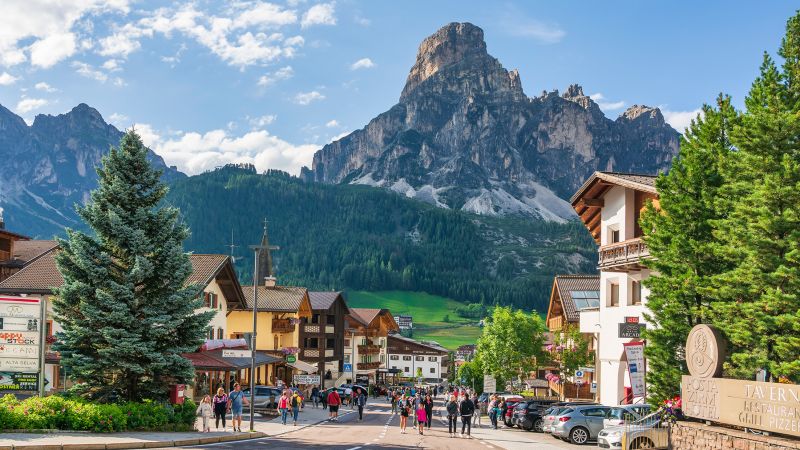
More than five decades ago, the small Sicilian village of Savoca became a global stage when Francis Ford Coppola’s 1972 film The Godfather began production there. At the time, the village was a quiet community of fewer than 100 residents, with roads made of gravel and no access to running water. The arrival of the film’s cast and crew, including Marlon Brando and Al Pacino, brought a wave of change that still echoes today. Vincenzo Pasquale, a 72-year-old local who joined the production as an extra at 18, recalls the impact with a mix of nostalgia and wonder. “The movie was a complete lifeline,” Pasquale remarked, describing how the film’s presence turned the village into a tourist hotspot. Despite its modest size, Savoca remains the most popular destination among the Sicilian locations featured in the iconic thriller. The influx of visitors, particularly since cruise ships began docking in the area two decades ago, has made the village feel like a different place altogether. “On some days, the streets are packed with tourists,” Pasquale explained, adding that he often had to honk his horn to move through the crowds.
HBO’s Fourth Season Takes a Global Turn
While The Godfather left an indelible mark on Savoca, another TV series is also redefining its own legacy. The fourth season of HBO’s comedy-drama The White Lotus is set in the French Riviera, a dramatic shift from its previous Sicilian and Thai settings. The series previously highlighted luxury properties like the Four Seasons’ San Domenico Palace in Taormina and the Four Seasons Resort Koh Samui in Thailand, but this time it focuses on the opulent Château de la Messardière, a 19th-century mansion transformed into a sprawling resort in the Côte d’Azur. CNN’s recent visit to the location revealed a blend of verdant gardens, sun-drenched terraces, and a sense of timeless elegance. The show’s cast and crew are already in the midst of filming, capturing the essence of this new setting with the same flair that made the series a hit. This transition underscores the show’s ability to adapt its storytelling to diverse backdrops while maintaining its signature blend of humor and sophistication.
Culinary Recognition and Regional Wine Triumphs
The James Beard Awards, considered the pinnacle of recognition in American gastronomy, were announced this week, celebrating restaurants that have elevated the nation’s food culture. Winners spanned major cities like San Francisco, Philadelphia, Texas, and Oregon, each bringing their unique culinary identities to the forefront. Meanwhile, the United States celebrated another milestone at the Decanter World Wine Awards, claiming its best-ever performance at the prestigious global event. A panel of judges praised the quality of wines from states such as Texas, Virginia, and Pennsylvania, signaling a growing reputation for American viticulture. In a different corner of the world, King’s Joy in Beijing stands out as a rare achievement, being the only Chinese restaurant to secure both three Michelin stars and the Green Star for sustainable practices. Yet, this culinary gem has an unusual restriction: Chinese officials are reportedly barred from dining there, a detail that adds intrigue to its status as a symbol of elite dining in the city.
Africa’s First Driverless Monorail Network
Construction of the Cairo Monorail in Egypt, Africa’s first driverless monorail system, has recently begun, marking a significant step in the continent’s infrastructure development. Once completed, this network could become the longest of its kind globally, offering a modern solution to the city’s notorious traffic congestion. The project is part of a broader push toward smart, sustainable mobility in the Egyptian capital, where traditional methods have long struggled to keep up with demand. Supporters argue that the monorail will not only reduce travel times but also provide a cleaner, more efficient alternative for commuters. This initiative reflects the growing emphasis on innovative transport solutions, even as challenges like rising costs and delays persist in large-scale projects across Europe and beyond.
Europe’s Ambitious Underground Rail Projects
Across Europe, engineers and planners are working on some of the most audacious underground mega tunnels ever conceived. These massive infrastructure projects aim to reshape the continent’s railway networks by creating new routes that cut through urban centers and connect remote regions. However, the cost of such endeavors has skyrocketed, with some projects now facing delays that span years or even decades. Despite the financial hurdles, the potential benefits are substantial, including reduced travel times, increased freight capacity, and a boost to regional economic integration. While the focus remains on efficiency and sustainability, the scale of these tunnels raises questions about their long-term viability and the balance between ambition and practicality.
Revolutionizing Air Traffic Control with Digital Innovation
One of the most critical areas of transportation modernization is the United States’ air traffic control system. For decades, controllers have relied on paper flight strips to track aircraft movements, a method that is increasingly outdated in an era of digital technology. Now, the Federal Aviation Administration (FAA) is pushing to replace this traditional system with a digital platform, a move that could significantly enhance safety, accuracy, and operational efficiency. This transition highlights a broader trend of adopting advanced technology to streamline air travel, which is a vital component of global connectivity. The FAA’s initiative is part of a larger effort to modernize aviation infrastructure, ensuring that the nation’s skies remain among the most reliable in the world.
Weather and Culture: Unlikely Allies for the UK
British weather, often synonymous with dreary skies and chilly temperatures, is playing an unexpected role in shaping the nation’s cultural identity. While many bemoan the frequent rain and fog, these conditions have become a source of national pride, symbolizing resilience and a unique sense of camaraderie. This sentiment is reinforced by recent developments, such as the peace agreement that has helped stabilize the country’s political landscape and the massive parade that drew crowds in record numbers. Even in the face of a seemingly unending winter, the UK continues to find joy in its cultural traditions, including the beloved Game of Thrones series, which has become a global phenomenon. Meanwhile, a different kind of journey is unfolding in Japan, where a new ferry service has made a remote island more accessible than ever before. This island, closer to Taipei than to Tokyo, has sparked discussions about its potential as a hidden gem for travelers seeking off-the-beaten-path experiences.
As the world continues to evolve, the intersection of culture, technology, and travel remains a fascinating subject. From the cinematic legacy of Sicily to the futuristic promise of driverless trains, each story highlights how places and people are being reshaped by global trends. Whether it’s a village transformed by a film, a restaurant that turns heads with sustainability, or a country adapting to the challenges of modernization, the stories of 2026 offer a glimpse into the dynamic forces at play in our interconnected world.