‘There’s no welcoming committee’: This US couple struggled to adapt after relocating to Switzerland

Daftar Isi
A Decade in the Alps: How One Connecticut Couple Turned Swiss Isolation Into a Life They Refuse to Leave
Earthguardiansonline.com – Each year, on the anniversary of their wedding, Emily and Robert Toole face a question most couples never have to ask: do they pack up and fly back to the United States, or do they stay in the country where they’ve built everything? The answer has been the same every single time. They stay.
“We’re happy. We’re settled. We have a great family … Thus far it’s been a great adventure.”
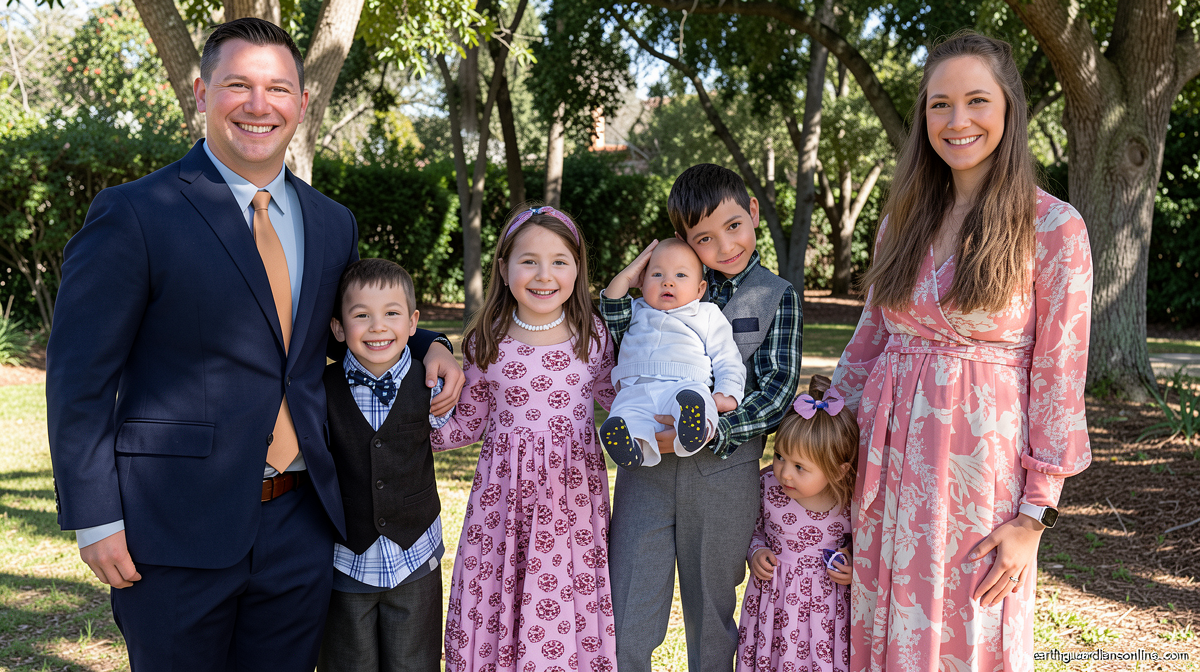
That declaration comes from Emily, who along with her husband Robert — both originally from Connecticut — has called Switzerland home for more than a decade. Their five children, all born on Swiss soil, range in age from eleven years down to ten months. Yet the road to that settled, mountain-fringed existence was anything but smooth. The couple’s first twelve months in the country, Emily recalls, were simply “horrible.”
How a Job Offer in Geneva Rewrote Their Plans
Switzerland never appeared on the Tooles’ relocation shortlist until 2013, when Emily was extended a professional position in Geneva. She had studied French during college and carried what she describes as a “dreamy reputation” of the country in her mind, but little concrete knowledge of daily life there. What mattered to her was the prospect of living in a French-speaking environment.
The couple had first crossed paths at the University of Notre Dame in Indiana. Their early romance was shaped by geography: each had spent semesters studying abroad separately, so long-distance travel was woven into the fabric of their relationship from the start.
“I couldn’t really ask, ‘Are you going to propose to me?’ So I thought, ‘I just have to accept this job and then see where it takes us.'”
Emily married Robert the following year. He secured a work transfer to Geneva shortly after, reuniting the couple under one roof in the Swiss city. Robert was elated to be back beside his wife, yet his own adjustment proved just as painful. He initially “hated” life in Switzerland.
The Cultural Shock No One Warns You About
The friction between American and Swiss social norms hit Robert hardest. In the United States, new neighbors typically appear at your door with a casserole and a warm greeting. In Switzerland, that ritual simply does not exist. Residents tend to “keep to themselves,” Robert explains, meaning newcomers must take deliberate, proactive steps to build any social network.
“There’s no welcoming committee.”
That absence of organic, neighborly outreach left the couple feeling adrift. Emily struggled to adapt and to build meaningful connections. “Feeling like I belonged, it really took some time,” she says. Both had initially framed the move as a two-year experiment. The first year of that experiment was, by Emily’s account, miserable.
The turning point came when the couple joined a local church and enrolled in recreational clubs aligned with their personal interests. Robert became a member of a stand-up comedy club and now performs regularly at venues across the country. Emily joined a running club and competes in ultramarathons. The clubs, Robert notes, function as the fastest gateway into genuine Swiss friendship.
“They love their clubs here. Probably the fastest way to actually meet real Swiss people and become friends with them is to get involved.”
Roots, Children, and the Swiss Approach to Independence
As successive work contracts were renewed, the couple’s tentative existence hardened into something permanent. The arrival of their first child in May 2015 marked a psychological threshold. Emily describes the moment as the point at which they finally “had roots” in the country. Four more children followed, bringing the total to five.
Raising those children in Switzerland deepened the couple’s appreciation for a cultural philosophy that places extraordinary weight on young people’s autonomy. Their kids, Emily notes, all walked to school unaccompanied beginning at age four. The Swiss education system, long regarded as rigorous and standards-driven, impressed the couple with how quickly their children developed practical independence.
“They’re able to do so much on their own.”
Mountains, Rivers, and the Outdoor Life
For a family that craves the outdoors, Switzerland delivers in abundance. The Tooles spend considerable time hiking through the Grindelwald and Interlaken area in the Bernese Oberland region of the Swiss Alps, and they favor what Emily calls “beautiful hikes” around the city of Neuchâtel. Robert sums up the appeal plainly: “If you’re an outdoorsy person, then it’s the perfect country for you.”
Among their favorite annual rituals is a summer tradition in Basel. Locals pack clothing, shoes, and phones into a dry bag that doubles as a flotation device, slip into a swimsuit, wade into the Rhine River from the Kleinbasel bank, and simply float downstream to their homes. It is a small, absurd, deeply Swiss act of communal leisure that the family now looks forward to every warm month.
Why They Stay
The anniversary question persists because the pull of American life — familiar institutions, extended family, a culture that greets you at the door — never fully disappears. Yet each year the calculus resolves the same way. Five children born in Switzerland, a marriage that survived its darkest year, careers embedded in Swiss institutions, and a landscape that rewards the kind of physical freedom their kids have been raised to expect. The Tooles have built something that would take years to replicate anywhere else, and they intend to keep building it.
Related Reading
Frequently Asked Questions
What is There s no welcoming committee?
There s no welcoming committee is the main topic of this guide. The article explains the context, practical details, and next steps readers should understand.
Why does There s no welcoming committee matter?
There s no welcoming committee matters because readers are looking for a useful answer, not just a short summary. Good content should match search intent and help them decide what to do next.