3 hikers die of suspected heat-related illness during rising temperatures at Grand Canyon

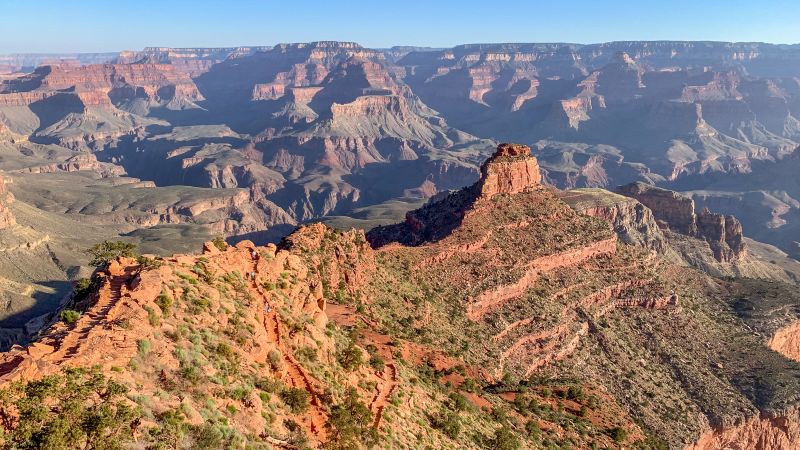
Three Hikers Succumb to Heat-Related Conditions Amid Escalating Temperatures in Grand Canyon
Tragic Losses Highlight Growing Risks in the Inner Canyon
3 hikers die of suspected heat – Federal authorities have confirmed the deaths of three hikers due to suspected heat-related illnesses within the Grand Canyon’s inner canyon region over the past week. The incidents occurred on two separate days, underscoring the heightened danger posed by rising temperatures, which can surpass 109 degrees Fahrenheit (43 degrees Celsius) in shaded areas during midday. Officials from the U.S. National Park Service reported the tragic events on Friday, emphasizing the urgent need for precautions as summer heat intensifies.
“Extreme heat is a killer. A recent heat wave shows how much more deadly it’s becoming,” said a spokesperson for the National Park Service, reflecting on the critical role of environmental conditions in contributing to the fatalities.
The first incident unfolded on June 12 when a 72-year-old man, identified as David Reynolds, collapsed from heat exhaustion while traversing the South Kaibab Trail. Despite immediate alerts from fellow hikers, rescue teams struggled to reach him before he succumbed to the effects of the scorching climate. The second tragedy occurred four days later, on June 16, involving two additional individuals: a 67-year-old man, Mark Thompson, and a 68-year-old woman, Linda Carter. Both were hiking the North Kaibab Trail when they exhibited symptoms of heat stroke, leading to their untimely deaths before emergency responders could intervene.
Officials described the rescue efforts as swift and coordinated, utilizing both ground teams and aerial support to locate the victims. However, the extreme conditions—combined with the rugged terrain and limited access to water sources—proved insurmountable. “Even with rapid response, the time it took to reach the hikers was too long,” noted a park ranger in a statement, highlighting the challenges of navigating the canyon’s steep cliffs and narrow paths during a heatwave.
Rising Heat Intensifies Safety Concerns in the National Park
The Grand Canyon National Park has experienced a notable surge in heat-related emergencies this summer, prompting officials to issue stronger advisories to hikers. The inner canyon, which is particularly susceptible to extreme temperatures due to its unique topography, has become a focal point for safety measures. Park authorities recommend that visitors avoid hiking during peak hours, typically between 10 a.m. and 4 p.m., when the sun’s intensity is most severe and the risk of dehydration and heat illness spikes.
“The combination of high temperatures and physical exertion can quickly overwhelm even the most seasoned hikers,” explained Dr. Elena Martinez, a medical expert consulted by the park service. “Hikers in the inner canyon are especially vulnerable because of the lack of shade and the rapid rate at which body temperatures can rise in such an environment.” Dr. Martinez added that the recent heatwave has created a perfect storm of conditions, with humidity levels also contributing to the discomfort and health risks.
The park service has since emphasized the importance of preparation, urging hikers to carry ample water, wear protective clothing, and check weather forecasts before embarking on their routes. “We’re seeing more cases of heat-related illnesses not just because of the heat itself, but because people are underestimating the canyon’s ability to trap and amplify warmth,” said a park official. This sentiment is echoed by the National Weather Service, which has reported that temperatures in the region have consistently exceeded historical averages, creating a prolonged period of hazardous conditions.
Investigations Ongoing as Heatwave Continues
The bodies of the three victims have been transported to the Coconino County Medical Examiner’s office for further analysis. Investigators are examining factors such as the hikers’ hydration levels, physical activity, and whether they had access to cooling stations or shaded areas during their treks. “Each case is unique, but there are common threads—like the timing of the incidents and the location within the inner canyon,” stated a medical examiner, who declined to specify further details pending the completion of the reports.
While the exact cause of each death is still under scrutiny, experts are drawing parallels to similar incidents in recent years. For example, in 2024, four hikers were hospitalized for heat stroke during a record-breaking heatwave, and in 2025, two fatalities were linked to dehydration. “These cases are part of a broader pattern,” said Dr. Martinez. “The Grand Canyon is a natural heat trap, and without proper precautions, even short hikes can turn deadly.”
As the heatwave persists, the park service has heightened its safety protocols, deploying additional rangers to monitor high-traffic areas and providing real-time updates to hikers through mobile apps and on-site signage. “We’re also working with local health agencies to educate visitors on the signs of heat illness and how to respond quickly,” said a spokesperson. This includes teaching hikers to recognize symptoms such as dizziness, nausea, and rapid heartbeat, which can signal the onset of a severe condition.
Environmental scientists have warned that climate change is exacerbating the frequency and intensity of heatwaves in the Southwest, including the Grand Canyon region. “The inner canyon’s temperatures are projected to rise by up to 5 degrees Fahrenheit over the next decade,” said Dr. Robert Lee, a climatologist from Arizona State University. “This means the risk of heat-related deaths will only increase unless we adapt our infrastructure and public messaging to reflect these changes.”
In response, the National Park Service has launched a campaign titled “Stay Cool, Stay Safe,” which includes a series of workshops for hikers, particularly those who are elderly or new to the trails. The initiative also highlights the importance of rest periods and the use of cooling tools such as misting fans or shaded rest areas. “We want to ensure that every visitor understands the canyon’s heat risks and knows how to mitigate them,” said a park official, underscoring the shift from reactive measures to proactive education.
As the summer progresses, the Grand Canyon continues to serve as a stark reminder of the dangers posed by extreme weather. The three hiker deaths are not just isolated incidents but a sign of the broader challenges facing outdoor enthusiasts in an increasingly warmer world. With temperatures expected to remain elevated for the next several weeks, the park service is urging hikers to stay vigilant and take heat conditions seriously, even on seemingly mild days.
Call to Action: Hikers Must Adapt to Changing Conditions
While the National Park Service has done its part to issue warnings and improve safety measures, the responsibility also lies with individual hikers to adapt to the evolving climate. “It’s not just about the heat—it’s about how we respond to it,” emphasized Dr. Martinez. “Carrying water, planning routes carefully, and listening to your body are essential steps that can save lives.”
Local communities and outdoor organizations are also stepping up efforts to support hikers. For instance, the Phoenix Hiking Association has partnered with the park service to distribute free hydration kits and heat-resistant gear to visitors. “We’re seeing more people come prepared now, but there’s still a long way to go,” said the association’s director. “We need to normalize the idea that the Grand Canyon is a place where heat can be life-threatening.”
With the three hikers’ deaths serving as a catalyst, the park service has pledged to review its current safety guidelines and consider implementing stricter regulations during periods of extreme heat. This includes potential limits on trail access during the hottest hours and the expansion of cooling stations throughout the inner canyon. “We’re looking at every option to keep visitors safe,” said the spokesperson. “This isn’t just about preventing future tragedies—it’s about ensuring the Grand Canyon remains a place of adventure without becoming a place of despair.”
As the region braces for more intense heatwaves, the lessons from these incidents will likely shape the way hikers approach the Grand Canyon in the years to come. The combination of natural heat traps and human activity has created a dangerous synergy, and only through continued awareness and preparation can the risks be managed effectively. For now, the three victims’ stories stand as a somber testament to the power of the sun—and the importance of heeding its warnings.