
A small plane slammed into the tallest skyscraper in China’s capital. Hours later, it was like nothing had happened.
A Small Plane Collided With Beijing’s Tallest Skyscraper, Then Vanished From View
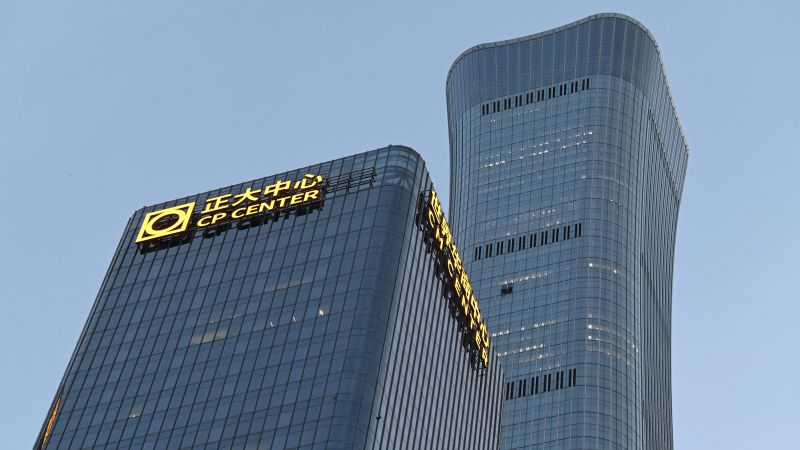
A small plane slammed into the tallest – On Friday, a light aircraft breached Beijing’s rigorous air traffic protocols and struck the city’s most prominent high-rise, the CITIC Tower, a 109-story structure that towers over the urban landscape. The impact killed the pilot and left 13 others hurt, sending fragments of glass and plane wreckage cascading down to the streets below. The crash occurred during rush hour, as workers were preparing to leave for the weekend, sparking chaos in the heart of China’s tightly controlled capital.
Disappearance of the Incident
Minutes after the collision, the event seemed to fade from public consciousness. Chinese social media platforms swiftly erased all traces of the crash, including videos capturing the moment it unfolded. Government officials initially remained silent, with state media outlets—such as CCTV, based just across the street from the crash site—refusing to acknowledge the incident. This rapid suppression of information underscores the Communist Party’s strict oversight of news, particularly in cases that could cast doubt on its authority.
“I saw the post online, but it disappeared quickly,” said Anna, a Beijing resident who opted to use only her first name. “I rushed to the scene, hoping to catch a glimpse before everything was scrubbed.”
Unanswered Questions
The information blackout left many puzzled. For nearly a full day, details about the number of casualties or the cause of the crash remained unclear. By Saturday afternoon, local media finally released a brief statement confirming the incident: a single-engine light aircraft had collided with a high-rise during flight, resulting in the pilot’s death and 13 injuries at the site. However, the report offered no explanation for the crash, leaving the public in suspense.
Despite the initial silence, the event had already captured global attention. Footage of the plane crashing into the upper levels of the CITIC Tower—also known as China Zun—spread rapidly online before censors intervened. The images revealed a dramatic moment as debris, including the aircraft’s tail section, rained down onto the city. The video’s rapid spread highlighted the tension between China’s information control and the global reach of digital platforms.
The Tower and Its Surroundings
The CITIC Tower, standing at 528 meters, has been Beijing’s tallest building since 2018. Its location in the city’s central business district makes it a hub for major institutions, including CITIC Group, a state-owned conglomerate, and Alibaba, a leading tech firm. Nearby are embassies from countries like the UK and Vietnam, as well as offices of global financial organizations such as the World Bank and the International Finance Corporation (IFC). The crash site’s proximity to these entities raises questions about the incident’s potential implications.
Witnesses described the scene as both surreal and alarming. Crowds gathered near the tower’s entrance, while fire trucks and police cars patrolled the area. Delivery drivers, unable to access the restricted zone, waited anxiously for employees to retrieve their packages. The swift response by authorities to seal off the site suggests a calculated effort to manage the narrative before it could gain traction.
Regulatory Context and Flight Restrictions
The crash occurred under Beijing’s new rules, which tightened restrictions on recreational flying and consumer drones. Last month, the city implemented sweeping regulations effectively banning casual aerial activities, citing safety concerns and the need to protect its politically significant districts. Flying a light aircraft in Beijing now requires approval from both the Civil Aviation Administration and the People’s Liberation Army Air Force, adding layers of scrutiny to such operations.
Unverified data from Flightradar24, shared online before the censorship took effect, showed the plane’s flight path veering sharply off course. The aircraft, registered with a local general aviation company, was identified as a Sunward SA 60L Aurora, a domestically produced light sport model. This detail has fueled speculation about the crash’s origin, with some questioning whether the pilot had authorization to navigate the city’s airspace.
Aircraft Path and Surveillance
Experts noted that the plane’s deviation from its intended route was unusual. Flight records indicated it had taken off from Shifosi Airport, a major hub near Beijing’s financial district, and flown directly toward the CITIC Tower. The trajectory suggests a deliberate maneuver, though officials have not confirmed whether the crash was an accident or a targeted event. The ability of the aircraft to fly over the capital, where even drones are subject to strict monitoring, has raised eyebrows about its clearance.
Authorities have long prioritized maintaining social stability by controlling information flow. This strategy includes rapid censorship of social media, deployment of police forces, and suppression of dissenting voices. The incident at CITIC Tower exemplifies this approach, with censors removing posts within hours and restricting public access to the area. Such measures are standard practice for events deemed potentially disruptive.
Global Reaction and Domestic Silence
While Chinese citizens could not find posts about the crash on Weibo, the event quickly spread beyond the country’s borders. International media and platforms outside mainland China reported the incident, amplifying its impact. The contrast between global exposure and domestic suppression highlights the challenges of information control in the digital age.
For now, the incident remains shrouded in uncertainty. The cause of the crash—whether an error in navigation, a mechanical failure, or an intentional act—has yet to be determined. The tower’s height and strategic location in the capital add to the intrigue, as it stands as a symbol of China’s economic and political power. The crash has sparked discussions about the risks of flying in a city where even the smallest deviations can be magnified by the government’s surveillance and censorship mechanisms.
As investigations continue, the event serves as a reminder of the complex interplay between technology, regulation, and public perception. The rapid erasure of the crash from domestic media underscores the Communist Party’s commitment to shaping narratives in real time. While the pilot’s fate is clear, the broader implications of the incident—both for China’s airspace management and its control over information—remain a subject of debate among analysts and observers.
The Weight of Silence
Hours after the crash, the city appeared to return to normal. Office workers resumed their routines, and the streets buzzed with the usual activity. Yet, the absence of information left many to wonder: What happened in the skies above Beijing? How did a small plane navigate the city’s tightly regulated airspace? And who, if anyone, was responsible for the collision?
The incident’s swift disappearance from public view reflects the efficiency of China’s censorship system. With thousands of censors operating across social media platforms, the government can erase evidence of events before they gain momentum. This practice has become a hallmark of China’s information management, ensuring that only curated narratives reach the public. The CITIC Tower crash, though brief, became a case study in how quickly a crisis can be muted in a society where control over the narrative is as crucial as the event itself.
