
Japan is adding a new luxury bullet train upgrade
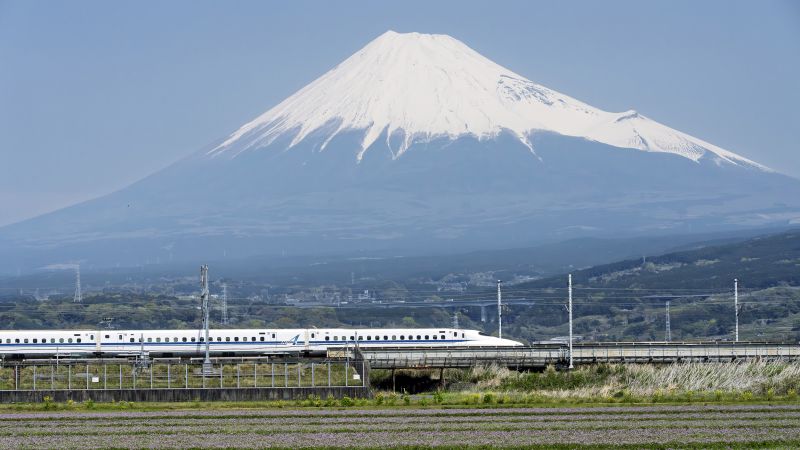
Japan Introduces High-Speed Train Luxury Upgrade
Japan is adding a new luxury – Japan, a nation long synonymous with cutting-edge technology and seamless travel, is making waves in the global tourism scene by unveiling an exclusive new service on its iconic Shinkansen bullet trains. This initiative, set to launch in October, promises to elevate the train experience with private cabins that offer travelers a level of comfort previously reserved for first-class lounges. The upgraded “Supreme Class” compartments feature lockable doors, ensuring seclusion, and some include compact seating arrangements reminiscent of small living rooms. These innovations allow passengers to customize lighting and climate settings to suit their preferences, blending convenience with sophistication.
The changes reflect Japan’s ongoing efforts to cater to an increasingly discerning international audience. As the country’s rail network continues to attract millions of visitors annually, the introduction of these premium options underscores a commitment to innovation. The Tohoku route, which connects Tokyo to remote destinations like Aomori and Akita, will also welcome a new sleeper car service dubbed “Luna Azul,” translating to “blue moon” in Spanish. This addition, expected to debut next year, will feature lie-flat seats, transforming overnight journeys into a more indulgent experience. With such upgrades, Japan aims to solidify its reputation as a leader in travel technology and comfort.
A Tax Hike for Japanese Tourism
Meanwhile, Japan’s approach to managing its surge in visitors has taken a more financially focused turn. The government is implementing a significant adjustment to its “sayonara tax,” a levy added to airfare to fund infrastructure development. Starting July 1, this tax will triple from ¥1,000 (approximately $6) to ¥3,000 ($18.50), marking a bold step in addressing the strain on local resources. While the increase may raise eyebrows among travelers, officials emphasize that the funds will support critical projects, such as improving public transport and accommodating the rising number of tourists.
Japan’s tourism boom has been relentless since the pandemic, with record numbers returning to its shores. This year alone, the country has maintained a steady rise in visitor numbers, breaking previous annual benchmarks. However, the tax hike is part of a broader strategy to balance growth with sustainability. As the nation grapples with overcrowding in popular destinations, the decision to raise the fee signals a shift toward more structured management of visitor flows. Travelers, while adapting to the new cost, are also preparing for the challenges of peak summer travel.
Summer Heat and Travel Adjustments
For many travelers, the summer season in Japan is not just a time of exploration but also a test of endurance. With record-breaking temperatures reported across Europe, Asia, and the United States, the global travel landscape has become more demanding. To help visitors navigate the heat, experts recommend strategic planning: visiting outdoor attractions during cooler morning hours, incorporating rest periods into itineraries, and prioritizing hydration through both water and fruit. Salads and water-rich produce like melons and grapes are highlighted as essential tools for staying refreshed.
One of the summer staples, ice cream, faces a unique challenge in the sweltering heat. But in Turkey, locals have found a clever solution with dondurma, a stretchy, chewy dessert that resists melting. Known as Turkish ice cream, this treat has gained international attention for its innovative texture and vibrant flavors. While dondurma may not be a Japanese invention, its presence in the region adds an interesting twist to the conversation about summer food. For those seeking a sweet escape, it offers a novel alternative to traditional frozen treats.
Palau’s Hidden Gems and Historical Significance
Far from the bustling cities of Japan, Palau—a small nation in the northern Pacific Ocean—remains a relatively quiet destination. Nestled near Taiwan and the Philippines, Palau’s annual tourist count is a mere few thousand, making it a unique blend of isolation and natural wonder. The country’s most iconic attraction is its crater lake, home to a rare, non-toxic jellyfish species that has captivated the world. These jellyfish, often featured as background images on Mac computers, are a testament to Palau’s ecological diversity.
Palau’s historical role in World War II also adds depth to its appeal. During the Pacific Theater, the country played a crucial part in the conflict, with the island of Peleliu serving as a key battleground. The Japanese occupation of Peleliu lasted until the U.S. launched a multi-week siege that claimed thousands of lives. Today, visitors can explore the island’s cave systems and encounter remnants of the war, such as tanks and cannons, preserved in situ. This mix of natural beauty and wartime history offers a compelling narrative for those seeking off-the-beaten-path adventures.
Busan’s Sand Art Festival and Cultural Spotlight
In South Korea, the coastal city of Busan is celebrating its 20th anniversary of a summer tradition that has become a highlight for art enthusiasts. The annual sand art exhibit on Haeundae Beach, a trendy destination, showcases the talents of local and international sculptors. This year, CNN had the opportunity to meet a seasoned sand artist who guided visitors through the intricate details of the festival’s installations. The event not only draws crowds but also highlights the creativity that thrives in the region.
The sand art festival is a vibrant celebration of culture and craftsmanship, with each year’s edition featuring new designs and techniques. From towering sculptures to delicate patterns, the art on display reflects the intersection of tradition and innovation. As Busan continues to position itself as a hub for artistic tourism, the festival serves as a reminder of the city’s role in preserving and promoting local heritage. For those seeking a blend of relaxation and creativity, the event offers a unique opportunity to witness the magic of sand art in action.
Finland’s Midnight Sun Treasure Hunt
Finland is offering an unconventional yet enticing way to spend the summer with its “midnight sun treasure hunt.” This activity, designed to capitalize on the country’s unique phenomenon of 24-hour daylight during summer months, invites participants to search for hidden prizes. The top reward—a $23,000 cash prize—has sparked excitement among adventurers, who are eager to uncover the mysteries of Finland’s natural beauty. The hunt is not just about discovery; it also encourages travelers to explore the country’s remote landscapes and enjoy the extended daylight hours.
With the summer solstice recently passed, the region is already experiencing the peak of its warm season. For those planning a summer getaway, the midnight sun treasure hunt provides an engaging alternative to typical sightseeing. Whether you’re a seasoned traveler or a curious newcomer, the challenge offers a chance to connect with Finland’s environment and culture in a fresh way. As the country continues to innovate in the tourism sector, such activities highlight the creativity and appeal of Scandinavian destinations.
“The internet’s new favorite food is causing a purple craze. Spoiler alert: it’s not matcha.”
Amidst all these developments, the world of food remains a focal point of summer travel. From Japan’s luxury train offerings to Finland’s unique culinary experiences, the summer season is marked by both convenience and novelty. As travelers adapt to the changing landscape of tourism, the combination of cutting-edge services, cultural traditions, and natural wonders ensures that the summer months will be filled with unforgettable experiences.
