
Ahead of US-China summit, Taiwan’s opposition leader says island can embrace both powers
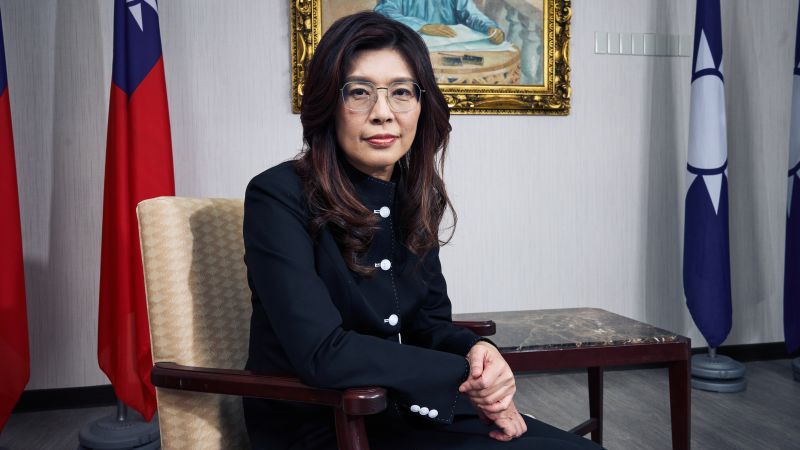
Taiwan’s Opposition Leader Urges Balanced Approach Ahead of US-China Summit
Ahead of US China summit Taiwan – As the US-China summit draws near, Taiwan’s opposition leader has signaled a potential shift in the island’s foreign policy strategy. Cheng Li-wun, head of the Kuomintang (KMT), has positioned herself as a key advocate for maintaining ties with both the United States and China. Her recent remarks to CNN highlight a nuanced perspective, emphasizing that Taiwan’s security cannot be achieved through sole reliance on U.S. military support. Instead, she argues for a dual strategy that fosters diplomatic cooperation with Beijing while preserving strategic partnerships with Washington. This stance comes as the Trump-Xi summit approaches, marking a critical juncture for regional stability.
Reevaluating Defense Priorities
Cheng’s vision for Taiwan’s defense has sparked renewed discussions about the island’s security framework. The KMT’s recent legislative decisions have shown a willingness to temper the aggressive defense spending agenda previously championed by the ruling Democratic Progressive Party (DPP). A scaled-back budget, approved by the opposition-controlled legislature, now prioritizes both U.S. arms procurement and cost-effective domestic projects. While the $40 billion initiative was reduced by a third, it still includes significant allocations for Taiwan’s evolving drone capabilities, a vital component of its defense strategy. This recalibration reflects a broader effort to align with Beijing’s interests while ensuring U.S. backing remains strong.
Cheng Li-wun has defended the revised plan, stating, “A clear budget allocation is essential to ensure every dollar serves a strategic purpose.” Her remarks underscore the KMT’s focus on balancing external alliances with internal development. Critics, however, question whether this approach compromises Taiwan’s readiness to counter Chinese military pressure. “Maintaining a strong defense posture is crucial ahead of the US-China summit,” noted a local analyst, “and any reduction in key capabilities risks weakening the island’s deterrence.”
Strategic Diversification in Cross-Strait Relations
Cheng’s policy shift highlights the KMT’s long-standing strategy of integrating with China while sustaining economic and political ties to the West. Her recent meeting with Chinese President Xi Jinping in Beijing, a rare diplomatic engagement, has been interpreted as a sign of the party’s commitment to fostering dialogue. This move has drawn mixed reactions, with some praising its pragmatism and others viewing it as a concession to Beijing’s growing influence. Ahead of the US-China summit, Cheng’s approach may offer a model for how Taiwan can navigate the complex interplay between its two largest global partners.
“Taiwan should not be forced to choose between the U.S. and China,” Cheng asserted, stressing the importance of mutual respect in cross-strait relations. Her comments align with the KMT’s historical emphasis on maintaining a non-confrontational stance toward Beijing. This strategy, however, has been tested by recent U.S. actions, including increased military presence in the region and a push for Taiwan to take on greater defense responsibilities. The upcoming summit presents an opportunity for the KMT to demonstrate how such collaboration can avoid conflict and strengthen Taiwan’s strategic position.
Historical Shift and Political Reassessment
Cheng Li-wun’s transformation from a pro-independence activist to a diplomat seeking harmony with Beijing is a reflection of Taiwan’s changing political climate. Once a vocal critic of the KMT’s authoritarian past, she now represents a party that has embraced a more pragmatic foreign policy. This evolution is exemplified by her recent visit to Beijing, where she engaged directly with Xi Jinping—a gesture that has both bolstered her credibility and raised questions about the KMT’s long-term commitment to Taiwan’s sovereignty. Ahead of the US-China summit, her efforts to bridge divides may influence how the island’s international standing is perceived.
“Finding common ground is essential ahead of the US-China summit,” Cheng explained. “Our goal is to ensure Taiwan remains a key player in the region without provoking unnecessary tensions.” Her remarks suggest a strategic realignment that could ease China’s concerns about Taiwan’s independence aspirations. While some within the KMT support this approach, others remain wary of the implications for Taiwan’s self-defense capabilities. The upcoming summit will serve as a litmus test for whether this balanced strategy can secure long-term stability for the island.
Global Perspectives and Domestic Debate
International observers are closely watching how Taiwan’s stance evolves in the lead-up to the US-China summit. Analysts suggest that Cheng’s diplomatic overtures to China may weaken Washington’s leverage, but others argue that such engagement is necessary for long-term peace. Ahead of the summit, discussions in the U.S. and China about Taiwan’s role in regional security have intensified, with both sides recognizing the island’s strategic importance. For Taiwan, the challenge lies in navigating these expectations without compromising its autonomy.
“Taiwan’s approach ahead of the US-China summit will shape the future of cross-strait relations,” said a U.S. strategist. “It’s a delicate balance between asserting independence and ensuring continued support from the West.” The KMT’s leadership has been at the center of this debate, with its policies reflecting a pragmatic vision for stability. As the summit nears, the island’s ability to embrace both powers will be a key factor in determining the trajectory of its geopolitical future.
