Astonishing winning images from Nikon’s Small World photography competition 2026

Astonishing Winning Images From Nikon’s 2026 Small World Competition
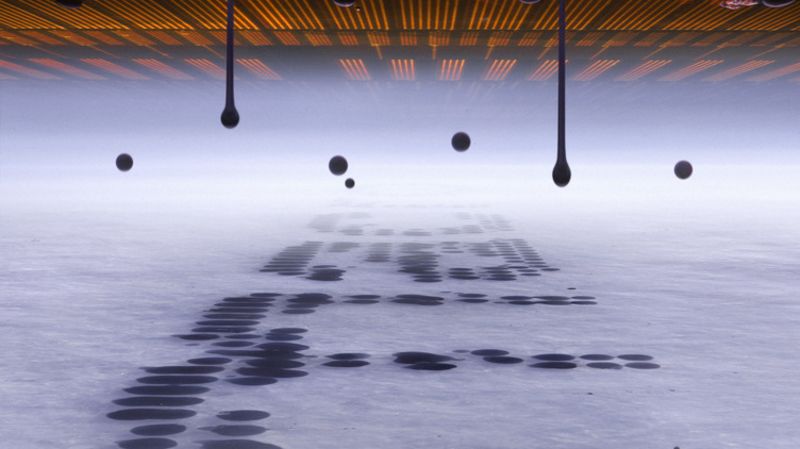
Earthguardiansonline.com – The astonishing winning images from Nikon’s 2026 Small World photomicrography competition reveal hidden detail in everyday technology, wildlife and scientific research. This year’s top honor went to a close-up of ink droplets moving inside a printer, transforming a familiar process into an abstract microscopic scene.
Ole Bielfeldt, a student and experimental photographer from Cologne, Germany, created the first-place image using a self-built imaging setup. His work captures ink as it is transferred onto paper, exposing the remarkable precision behind an ordinary inkjet printer.
An Everyday Printer Viewed Through a Microscope
Bielfeldt’s project began with a simple curiosity: how does an inkjet printer place images on paper so accurately? Although printers are common in homes, schools and workplaces, the movement of ink inside them is rarely visible.
“I think it was super interesting because I didn’t know how it really worked,” Bielfeldt said in the organizers’ statement. “It’s like it was magic, and I didn’t understand it, but now I do.”
His photograph turns that investigation into a vivid image of color, movement and detail. It shows how microscopic photography can change the way people see routine technology by drawing attention to processes that usually remain hidden.
Eric Flem of Nikon Instruments said the winning image reflects the blend of technical ability, creative experimentation and artistry that has helped make the competition enduringly popular.
“By using a microscope objective in a different way, he transformed a familiar object into something altogether new and previously unseen,” Flem said.
Other Nikon Small World Winners
Second place went to John-Oliver Dum for an image of a jumping spider with pollen. The photograph highlights the texture and complexity of a tiny subject that can be easily overlooked at normal scale.
Third place was awarded to Kaelin Wulf and Rachel Flannery for their image of neurons in an expanded mouse brain. Their work offers a striking view of structures often encountered only in diagrams or technical research.
Together, the astonishing winning images from Nikon demonstrate the range of photomicrography. The top entries examine a printer, an arachnid carrying pollen and neural tissue, but each reveals a world that is usually inaccessible without specialized optics.
Why Microscopic Photography Matters
Nikon Small World is an annual competition celebrating images made through microscopes. Its entries combine scientific observation with creative vision, showing biological structures, materials and everyday processes in unexpected ways.
Microscopes are often associated with laboratories and medical research, yet these photographs show their artistic potential as well. Magnification can reveal patterns in living tissue, movement in materials and unexpected beauty in ordinary objects.
Bielfeldt’s self-built setup also underlines the value of experimentation. His image grew from a practical question about printing technology and became a reminder that close observation can make even the most familiar tools appear new.
Small World in Motion Disqualification
Nikon also runs Small World in Motion, a video competition focused on microscopic footage. In mid-October, organizers said the winner of that separate contest had been disqualified over the entrant’s use of generative AI.
Frequently Asked Questions
What is Nikon Small World? Nikon Small World is an annual photomicrography competition featuring images created with microscopes and specialized imaging techniques.
Who won Nikon Small World in 2026? Ole Bielfeldt won first place for his microscopic image of ink droplets moving inside a printer.
What came second and third? John-Oliver Dum placed second with an image of a jumping spider with pollen, while Kaelin Wulf and Rachel Flannery placed third for an image of neurons in an expanded mouse brain.
Why are the astonishing winning images from Nikon significant? They make hidden processes and tiny structures visible, connecting scientific observation with visual creativity.