Facing a ban on horse-drawn carriages, Central Park’s drivers fear for their future

Daftar Isi
New York Moves to End Central Park’s Horse-Carriage Era
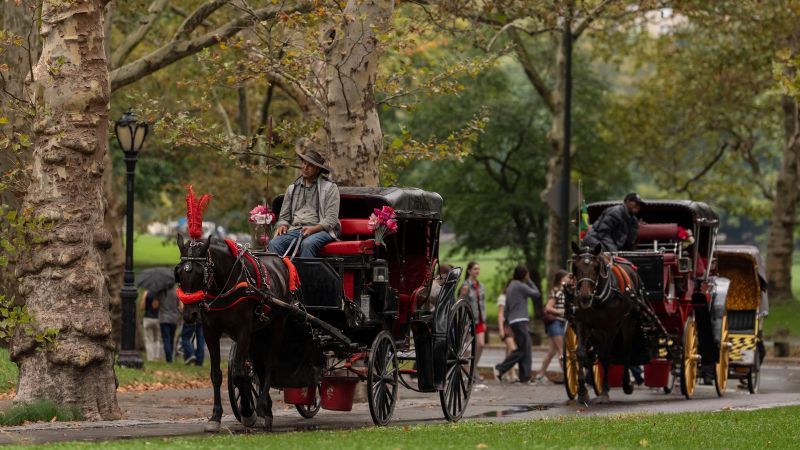
Earthguardiansonline.com – New York City is preparing to close a chapter that has shaped Central Park’s visitor experience for generations. Under legislation passed by the City Council on Thursday, horse-drawn carriage rides would be prohibited by June 2028, bringing an end to an industry that has operated around the park for more than 150 years.
The decision follows years of conflict between supporters who view the carriages as a distinctive part of the city and animal welfare advocates who have pushed for their removal. The latest effort gained urgency after the death of 18-year-old Indian tourist Romanch Mahajan, who died last spring after jumping from a runaway carriage during a ride. His death appeared to be the first fatal accident connected to a Central Park horse carriage since the rides began.
For the people who drive the carriages, however, the vote has created a more immediate concern: how they will support themselves and care for the animals that have been central to their working lives.
A Transition Plan Still Taking Shape
The legislation directs Mayor Zohran Mamdani’s administration to produce a workforce-transition plan by next April for the city’s more than 150 remaining carriage drivers. The proposal is expected to include career advice and referrals for potential work in transit, hospitality and taxi-related fields. It also gives the administration room to explore compensation for affected workers.
City Hall has begun discussing possible compensation while developing a more detailed transition strategy, a spokesperson for the mayor said. Mamdani has argued that ending the carriage trade should not mean abandoning the people whose livelihoods depend on it.
“Civic responsibility” means making sure “we are not leaving anybody out to dry,” Mamdani has said.
That pledge offers little certainty yet to drivers who own businesses, hold long-standing permits or care for horses every day. Many say that replacing an occupation built on specialized experience will not be as simple as sending them a list of job openings.
Alexus Lawson, a 28-year-old driver from Queens, grew up around horses and has also worked as a riding instructor. She worries especially about the future of Starlight, a 7-year-old horse, and the other animals in her care if the carriage work disappears.
“No one can come up with an appropriate answer because there is none,” Lawson said.
“Without a job, how can I take care of my horses?”
Drivers See an Uncertain Future
Medet Fidan, 56, entered the carriage business after ride-hailing services disrupted his previous work as a cab driver. He said the proposed shutdown feels like another industry shift that is leaving workers behind.
“I think the city is leaving us a big mess,” Fidan said. “We’re going to lose our businesses, we’re going to lose our jobs, we’re going to lose our livelihoods.”
Industry representatives say the planned ban does not yet answer practical questions about income during retraining, the fate of existing businesses or the ongoing expense of housing and caring for horses. Christina Hansen, a longtime driver and spokesperson for the carriage industry, said the measure does not provide enough support for workers facing displacement.
“It does nothing for alternate employment, for the continuation of our businesses,” Hansen said. “Who’s going to pay my rent while I’m looking for a job?”
The union representing carriage drivers has said it will challenge the law in court as soon as it is enacted. That legal action could extend the debate over whether the city has properly balanced public safety, worker protections and the future of the horses themselves.
A Fatal Ride Changed the Debate
The June death of Mahajan became the defining event behind the renewed campaign for a ban. His family appealed directly to city officials to stop carriage rides, describing their belief that the attraction was safe before the tragedy. At a Thursday rally alongside lawmakers and animal welfare advocates, his uncle, Gaurav Mahajan, said the family had turned grief into a push for change.
“The hour of justice has finally arrived,” Gaurav Mahajan said.
“We’re turning our shattering loss into an unbreakable shield of kindness for the city. For months, our family hasn’t been allowed to just grieve,” he said. “We’ve had to fight. We’ve had to channel our devastating sorrow into a war for change.”
Carriage drivers have expressed sympathy for Mahajan’s family while maintaining that one devastating incident should not determine the future of an entire profession. Their opponents argue that Central Park has become too crowded and complex a setting for the rides, with pedestrians, cyclists, dog walkers and visitors sharing the same space.
Council Speaker Julie Menin said the measure is intended to force the city to provide a concrete answer for displaced workers instead of leaving their future unresolved. A spokesperson said Menin would continue to participate in the transition process.
“These workers deserve to be protected,” Menin said Thursday.
A Long Political Fight Reaches a New Stage
The carriage industry has survived earlier attempts to shut it down. Former Mayor Bill de Blasio campaigned on ending horse-carriage rides at the start of his administration, but the proposal lost momentum amid union opposition and a public campaign involving actor Liam Neeson. Eric Adams, who served as mayor before Mamdani, also raised the possibility of a ban late in his tenure, but no measure advanced.
The latest legislation has also drawn criticism from President Donald Trump, whose Trump Tower stands near Central Park. Trump called the rides a defining New York attraction and mourned their possible disappearance on social media.
“It was a Great Tradition. Another piece of History that’s gone. It will be missed!” Trump wrote.
With a June 2028 deadline, the issue now moves from a long-running political argument toward implementation. The city must decide how to assist drivers, whether to compensate workers, and how the horses connected to the trade will be cared for once the carriages leave the park. For tourists, the change will remove a familiar sight from Central Park. For the drivers, it raises a far more personal question of what life and work will look like after the final carriage ride.
Related Reading
Frequently Asked Questions
What is Facing a ban on horse drawn?
Facing a ban on horse drawn is the main topic of this guide. The article explains the context, practical details, and next steps readers should understand.
Why does Facing a ban on horse drawn matter?
Facing a ban on horse drawn matters because readers are looking for a useful answer, not just a short summary. Good content should match search intent and help them decide what to do next.