
Hundreds of pets were rescued following Venezuela’s earthquakes. Now they’re looking for their families
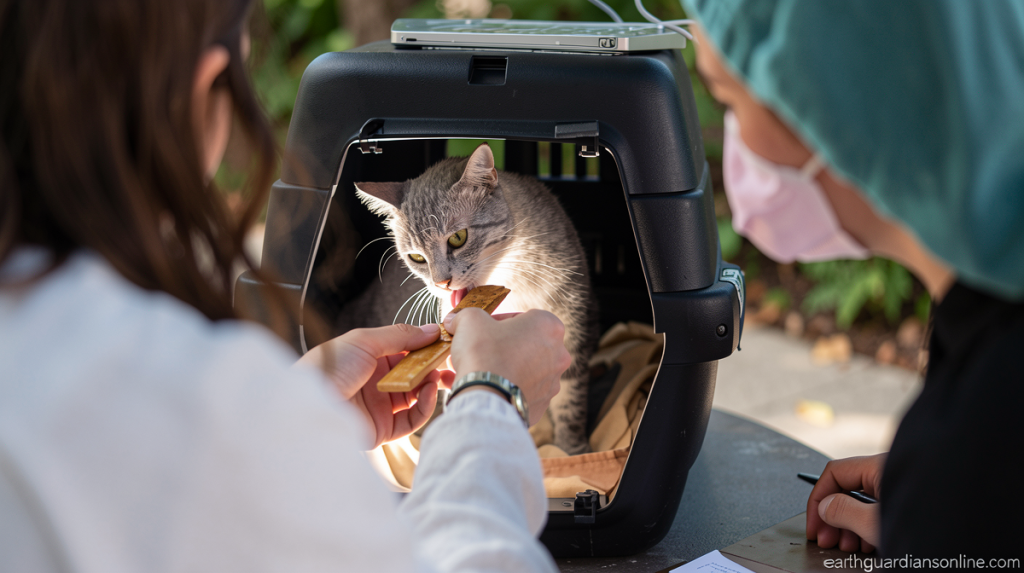
After Venezuela’s Tremors, Lost Pets Seek Their People
Hundreds of pets were rescued following – When Catira Alejandra finally encountered her family once more, joy overflowed. Her tail swished wildly, she leaped with frenzied energy, and gentle licks covered her owner’s face. This tiny canine had been uncertain whether she would ever recognize those familiar faces again. Yet just days prior, the little dog sat hunched with her head lowered, shaking as rescuers wearing gloves carefully examined her injuries in La Guaira. Without any identifying tags or papers, she received a temporary name from her saviors and knew nothing of the life she had left behind.
She joined hundreds of other animals that poured into shelters when twin earthquakes struck portions of Venezuela during June, claiming thousands of human lives. In the aftermath, countless families suffered devastating losses—not only of relatives and residences, but also of the four-legged friends who had shared their daily existence.
A Growing Effort to Reconnect
According to Maguildas Vargas, who leads Misión Nevado, a Venezuelan government initiative dedicated to housing homeless creatures, at least 648 animals—both dogs and cats—have been saved in La Guaira and San Bernardino, a Caracas district, since June 24. La Guaira emerged as one of the regions most severely impacted by the seismic events.
Vargas and her dedicated team have successfully matched at least 18 animals found in La Guaira with their human companions. The veterinary assistant noted that most of the creatures discovered bore various injuries: broken bones, multiple traumas, mutilations, abrasions, and cuts. These wounded animals currently receive medical attention and temporary housing while awaiting the opportunity to return to their original households.
She has encouraged individuals searching for missing pets to establish online profiles and share information across social platforms. Consequently, digital networks have become saturated with images and clips featuring dogs of every size, alongside white, black, striped, and multicolored felines. Each shared post carries urgent appeals from grieving owners alongside essential details about their cherished companions.
Community Shelters Step Up
Granja Los Corales, located within La Guaira state, serves as a central gathering place for hundreds of saved animals. Rene Cardozo, the regional shelter coordinator, explained the facility’s purpose to state broadcaster Venezolana de Televisión: “We are here as a meeting point for those people who are looking for their pets so they can come and check if they are in the facilities.”
Beyond government initiatives, numerous independent organizations have dedicated themselves to reuniting earthquake victims with their animal companions. María Cordova began her first rescue mission at age fifteen in 2013. Operating from Barquisimeto in Lara state, she transformed this early experience into a lifelong calling. Her profession as a home-based pastry chef enables her to structure her daily routine around caring for rescued creatures.
Following the earthquakes, Cordova journeyed to La Guaira on two separate occasions. Together with her organization, Amor Animal, she assisted twenty-two animals. “We are looking for their owners; we know that many are still hospitalized and haven’t had the chance to look for their pets,” she shared with CNN. “My mission in all of this is for them to find their owners. I am in no hurry to put them up for adoption, because my mission and my satisfaction would be for them to be reunited with their owners.”
This purpose came closer to fulfillment recently when she witnessed Gus, a black feline she had saved in Catia La Mar within La Guaira state, finally meeting his human again after nineteen days apart. His owner, Rofredbelys, expressed gratitude through tears in a video posted by the shelter: “I found him by the grace of God, thanks to you.”
For Cordova, moments like these validate every effort she makes. “That girl really cried,” she reflected, remembering the emotional reunion. Such connections remind her why she continues her work despite challenges and uncertainties.
