
Iran strikes vessel, pausing UN efforts to evacuate ships from Hormuz
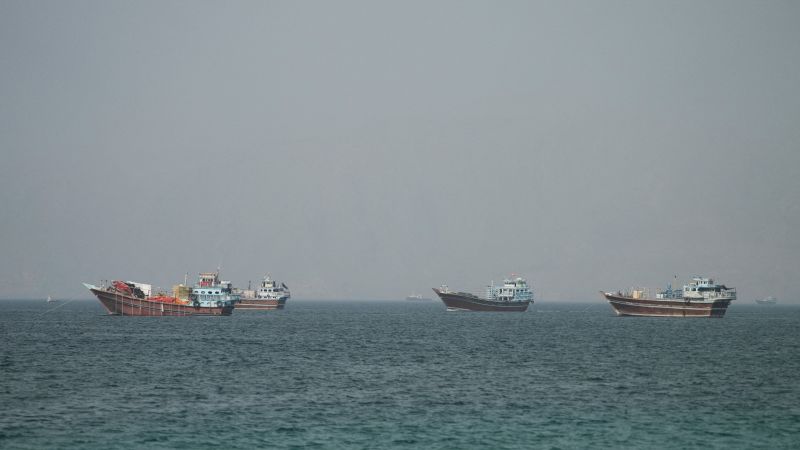
Iran Strikes Vessel, Halting UN Evacuation Mission in Strait of Hormuz
Iran strikes vessel pausing UN efforts – On Thursday, June 25, 2026, Iran launched an attack on a cargo ship in the Strait of Hormuz, temporarily disrupting the United Nations’ evacuation efforts for seafarers stranded in the region. The incident, which damaged the vessel’s bridge, has raised concerns about the security of the vital waterway and the effectiveness of the recent peace deal between the United States and Iran. Despite the agreement reached last week to ease tensions, the attack underscores Iran’s capacity to assert control over the strategic strait, challenging the notion that it is now fully open for international traffic.
Attack Details and Immediate Impact
The vessel, which was struck on its starboard side, was reportedly hit by an unknown projectile, according to the United Kingdom Maritime Trade Operations, a group that tracks maritime activity. No casualties or environmental damage were reported, but the incident forced the UN’s International Maritime Organization (IMO) to halt its evacuation mission. The organization had been working to relocate hundreds of ships and over 11,000 seafarers who had been trapped in the Persian Gulf since the conflict began in late February.
“I have always reiterated that the safety of the seafarers remains paramount,” said IMO Secretary-General Arsenio Dominguez in a statement. “Therefore, to ensure a coordinated approach and navigational safety, the evacuation plan will be paused until further clarity is obtained.”
The attack occurred just hours after Iran’s powerful Revolutionary Guards issued a warning, stating that vessels would only be permitted safe passage through the strait if they followed routes designated by Tehran. This declaration added pressure to the UN’s mission, which had only recently commenced following the signing of a memorandum of understanding between Washington and Tehran. The incident also marked the first disruption to the evacuation process since the agreement was announced, reigniting debates about Iran’s intentions in the region.
Context of the Agreement and Diplomatic Tensions
The current agreement between the United States and Iran aims to normalize trade and reduce hostilities, but it has faced skepticism from Gulf nations. A key provision includes a 60-day commitment to keep the Strait of Hormuz open without tolls, which the Trump administration had previously opposed. However, the attack has cast doubt on this promise, as Iran continued to enforce tolls during the conflict, a practice the US sought to eliminate in the long-term peace deal.
Iran’s claim over the strait as a critical leverage point in negotiations has been a focal point of the agreement. The Islamic Revolutionary Guards Corps (IRGC) emphasized that control of the waterway would remain a priority, with the newly established Persian Gulf Strait Authority—under Tehran’s oversight—stating that safe transit could not be guaranteed for ships using unapproved routes. “The consequences of traveling on unauthorized routes will be the responsibility of the owner, operator, and commander of the vessel,” the agency said on X, highlighting the risks associated with non-compliance.
Global Reactions and Oil Market Fluctuations
The strike coincided with a surge in maritime activity in the Strait of Hormuz, with 70 crossings recorded on Wednesday, the highest number since the war began. Most vessels navigated along the coast of Oman, as reported by the maritime monitoring group. While this increase in traffic initially led to a decline in global oil prices, the attack prompted a modest rise. Brent crude, the benchmark for international crude oil, saw a slight uptick, signaling renewed worries about supply disruptions in the region.
Secretary of State Marco Rubio, who has been actively promoting the agreement, acknowledged the incident’s implications during a meeting with Gulf Arab foreign ministers in Bahrain. “You can call it a toll, you can call it a fee, whatever you want to call it. It’s a game of semantics,” he said, addressing concerns about Iran’s influence over commercial traffic. The ministers, however, reaffirmed their rejection of any tolls or fees, insisting that the strait should remain a free and open corridor for global trade.
Despite the pause in the evacuation mission, the agreement has seen some progress, including the US lifting its blockade of Iranian ports. This move was intended to demonstrate goodwill, but the attack has highlighted the fragility of the arrangement. The Iranian Revolutionary Guards’ warnings and the establishment of the Strait Authority suggest that Tehran is prepared to maintain its strategic dominance, even as it collaborates with the US on a broader peace framework.
Strategic Leverage and Future Implications
The Strait of Hormuz is a lifeline for global oil exports, with about 20% of the world’s crude oil passing through it daily. Iran’s ability to restrict movement in the strait has been a key factor in its diplomatic negotiations, as it seeks to secure economic and geopolitical benefits. The recent attack, however, has shown that Iran’s influence extends beyond political agreements, with the potential to disrupt supply chains and impact international markets.
While the evacuation mission will be paused until more information is available, the IMO emphasized its commitment to ensuring the safety of seafarers. “The attack highlights the need to maintain vigilance and adapt evacuation strategies to mitigate risks,” Dominguez stated. The incident also serves as a reminder that the peace deal, though a step toward stability, remains vulnerable to challenges from Iran’s military and political actors.
As discussions continue, the outcome of the current situation could shape the future of the agreement. If Iran persists in asserting control, the US may face pressure to revise its terms. Conversely, if the strait remains open, the deal could gain momentum. For now, the evacuation of stranded seafarers is on hold, with the world watching closely as both nations navigate the complexities of their newfound cooperation.
CNN has sought comments from the White House to clarify the administration’s stance on the attack and its impact on the agreement. The incident has also reignited debates about the long-term viability of the peace deal, with some analysts questioning whether it will hold in the face of ongoing tensions. As the IMO and other international bodies work to assess the damage, the focus remains on restoring confidence in the strait’s security and ensuring that the evacuation efforts can resume without further interruptions.
Conclusion: A Test for the Peace Deal
The attack on the vessel in the Strait of Hormuz has become a pivotal moment for the US-Iran agreement. While the deal was intended to ease hostilities and open the waterway to international traffic, the incident demonstrates that Iran is still capable of exerting pressure through direct action. The pause in the evacuation mission underscores the delicate balance between cooperation and competition in the region, as both nations seek to advance their interests.
With the UN’s efforts temporarily halted and the oil market reacting to the disruption, the challenge for the Trump administration and its allies is to convince Gulf nations that the agreement will deliver lasting security. The success of the deal will depend on Iran’s willingness to cede control of the strait and the US’s ability to enforce its commitments. As the world watches, the incident serves as a reminder that even in times of diplomacy, the strategic importance of Hormuz ensures that tensions remain ever-present.
