
Power outages, fuel bans and no summer camps: Ukraine steps up pressure on Russia by targeting Crimea
Power Outages, Fuel Bans, and No Summer Camps: Ukraine’s Pressure on Crimea
Ukrainian Strikes Target Crimea’s Power Grid
Power outages fuel bans and no summer – Power outages, fuel bans, and no summer camps are now key elements of Ukraine’s strategy to exert pressure on Russia, with Sevastopol—once a stable hub in Russian-occupied Crimea—becoming a focal point of this campaign. The mayor of the city, appointed by the Kremlin, revealed new restrictions on electricity use as the result of repeated drone attacks on the main power substation. Ukrainian commander Robert Brovdi confirmed seven strikes targeting the facility, causing significant disruptions to the region’s energy supply. These actions have led to frequent blackouts, prompting strict load management protocols and a shift in civilian routines.
As the conflict intensifies, Crimea’s infrastructure is under growing threat. Power outages, fuel bans, and no summer camps are part of Kyiv’s efforts to weaken Moscow’s grip on the peninsula. Sevastopol, historically the headquarters of Russia’s Black Sea Fleet, now faces heightened instability. With increased air raid alerts, residents report a more perilous environment, as drone strikes now target the city rather than coastal areas. One local described the situation as “more dangerous than ever,” emphasizing the impact of these measures on everyday life.
Historical Significance of Crimea’s Control
Crimea’s annexation by Russia in 2014 was a pivotal moment, securing strategic access to Ukraine’s Black Sea ports and bolstering Moscow’s geopolitical influence. The region, rich in historical events, has seen its role transformed since then. From the Yalta Conference during World War II to Stalin’s forced deportation of the Crimean Tatar population, the peninsula holds layers of significance. Now, power outages, fuel bans, and no summer camps are reshaping its narrative, with ongoing conflict threatening both its economic and social fabric.
The suspension of summer camps in Crimea has further compounded the crisis. Regional leader Sergey Aksyonov announced the halt of these programs until September 1, diverting resources to wartime priorities. This decision has left families without access to educational and recreational activities, deepening the sense of disruption. A video from Simferopol captured residents describing the city as “inside an apocalypse,” highlighting the visible effects of power outages, fuel bans, and no summer camps on normal routines.
Adapting to the New Reality
Crimea’s residents are adapting to the challenges brought by power outages, fuel bans, and no summer camps. While some businesses continue to operate, others face severe limitations. A guesthouse owner in Noviy Svet noted that visitors still arrive, but the atmosphere remains cautious. The region’s tourism industry, once a symbol of prosperity, now struggles with empty shelves and closed cafes. Power outages, fuel bans, and no summer camps have forced communities to prioritize survival over leisure, reflecting the war’s profound impact on daily life.
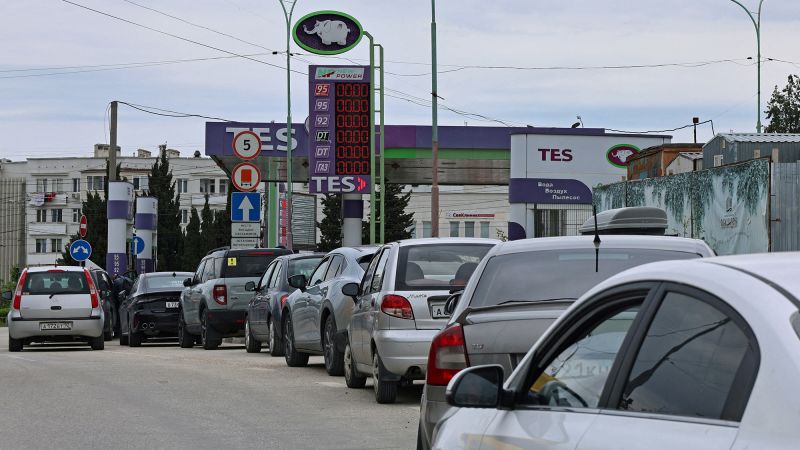
Residents express frustration with the current state of affairs, particularly the fuel bans. A local who remained anonymous for safety told CNN that gas stations are nearly empty, though public transport persists. The Russian-installed government has limited fuel supply to agencies, leaving civilians to pay higher prices when possible. This scarcity, combined with power outages and the absence of summer camps, has created a stark contrast between the region’s former charm and its present vulnerability. “We wanted to grab something to eat but there’s nothing,” said one resident, underscoring the economic strain.
Resilience and Adaptation in Crimea
Despite the challenges, some in Crimea show resilience. The region’s businesses are finding ways to cope with power outages, fuel bans, and no summer camps. A café owner in Simferopol shared how the community has come together to share resources, though the overall mood remains tense. The absence of summer camps has also led to creative solutions, with parents taking on childcare roles. While the situation is dire, the persistence of local efforts highlights the determination to endure the war’s consequences.
Power outages, fuel bans, and no summer camps are not just tactical moves—they are part of a broader psychological campaign. By disrupting essential services and recreational activities, Ukraine aims to erode the morale of Crimean residents and signal the vulnerability of Russian control. As the conflict continues, these measures will likely shape the region’s future, influencing both its economic stability and civilian morale. The effectiveness of this strategy will depend on how long these conditions persist and whether they lead to a shift in the balance of power.
