
King Charles will not live in Buckingham Palace after costly refit, reveals $17 million tax bill
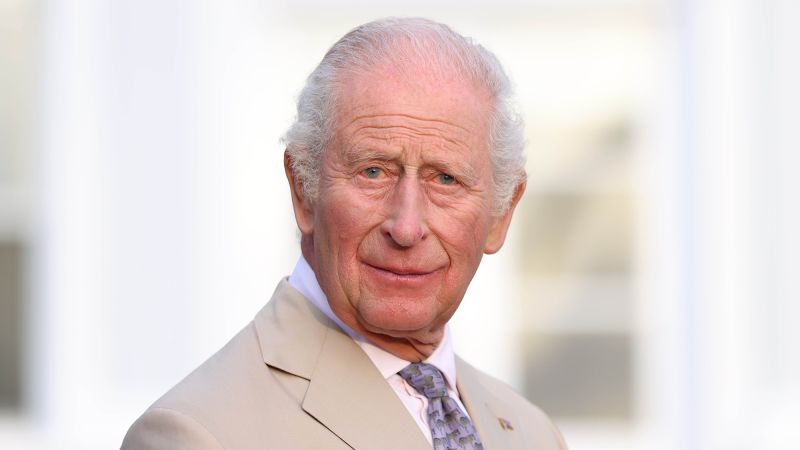
King Charles to Relocate from Buckingham Palace After £369 Million Renovation Completes in 2026
King Charles will not live in Buckingham – Following the completion of a £369 million overhaul, King Charles III has confirmed he will no longer reside at Buckingham Palace. Royal officials announced this decision on Thursday, marking the end of a 10-year project that has transformed the iconic central London building. This move signals a shift in the monarchy’s use of the palace, which has historically been the monarch’s main residence for over 180 years. Charles, who has lived in Clarence House for the past several years, will continue to call the nearby London residence home as the renovation nears its final phase.
The royal family has taken steps to enhance financial transparency in recent months, especially after the passing of Queen Elizabeth II in 2022. For the first time, officials revealed that Charles paid £12.9 million in taxes during the 2024/25 fiscal year, a figure that places him within the top 100 taxpayers in Britain. This disclosure follows a broader effort to shed light on the monarchy’s financial activities, which has gained public attention amid scrutiny of royal expenditures.
Refurbishment Details and Future Use
The £369 million renovation project, which began in 2017, included modernizing the palace’s infrastructure. Key updates involved replacing outdated electrical wiring, piping, and heating systems, ensuring the building meets contemporary standards. Despite these changes, Buckingham Palace will retain its role as a central hub for official functions. James Chalmers, the king’s treasurer and keeper of the privy purse, emphasized that the palace will remain a symbol of the monarchy’s authority, hosting ceremonies and receiving foreign dignitaries as it has for decades.
“It is and will remain monarchy HQ, the crown jewel of our national buildings, with the sovereign’s standard flying proudly from the roof whenever his majesty is in London,” Chalmers stated to reporters.
Although the king and queen have not stayed overnight at the palace since 2019, private chambers will still be accessible for use as accommodations. The building is expected to welcome around 700,000 visitors annually, with plans to increase public access. However, specific details about these enhancements were not provided, leaving some room for speculation about the future of the site.
Monarch’s Tax Contributions and Funding Adjustments
While the British monarchy is not legally required to pay income, capital gains, or inheritance tax, King Charles has opted to contribute voluntarily. This has been a consistent practice since Queen Elizabeth II began doing so after 1993. Charles’s private income comes from the Duchy of Lancaster estate, which generated £25.2 million in 2025/26, along with other assets and investments. Chalmers noted that the king paid £11.7 million in taxes during the 2023/24 fiscal year, with total tax contributions exceeding £30 million since ascending the throne in 2022.
The government’s Sovereign Grant, which funds royal operations such as staff salaries, travel, and palace maintenance, will undergo a reduction in 2027/28. The current allocation of £137.9 million for 2026/27 will be cut to £100 million, a change aligned with the king’s directive. This adjusted amount will remain in place until 2031/32, reflecting a strategic shift in financial management. Chalmers assured that these cuts would not compromise the palace’s status as a key national landmark, stressing that the funding is proportional to the monarchy’s needs.
Historically, the Sovereign Grant has been adjusted to accommodate major projects, including the Buckingham Palace refit. The previous reform in 2016 increased the grant by nearly £60 million to support the renovation. Now, the new allocation aims to balance the monarchy’s expenses with public expectations. Chalmers described the decision as a “blank cheque” for the palace, but clarified that safeguards ensure fiscal responsibility.
Prince William’s Tax Payments and Criticism
As part of the royal family’s transparency initiative, Prince William, the prince of Wales, also disclosed his tax payments for 2024/25, totaling £7.76 million. His office announced that £1.5 million from a closed prison’s rental income would be directed to the local community, a move intended to address public concerns about royal profits. This decision follows criticism that Charles and William have benefited from charging the army, health service, and schools for rent.
While the financial disclosures have been welcomed by some as a step toward accountability, others remain skeptical. The king’s voluntary tax contributions, though significant, are still a fraction of his overall wealth, which includes the Duchy of Lancaster and other private holdings. The reduction in the Sovereign Grant has raised questions about the financial sustainability of the monarchy, particularly in light of the ongoing renovation costs.
Public perception of the royal family’s finances continues to evolve. The Trooping of the Color, an annual event celebrating the king’s official birthday, drew thousands of spectators in 2023. However, the event’s scale may be adjusted in 2024 as part of broader cost-cutting measures. These changes, along with the new transparency policies, aim to align the monarchy with modern expectations of financial accountability and public service.
