
European heat wave brings in cool cash for Asian air-conditioner makers as sales surge
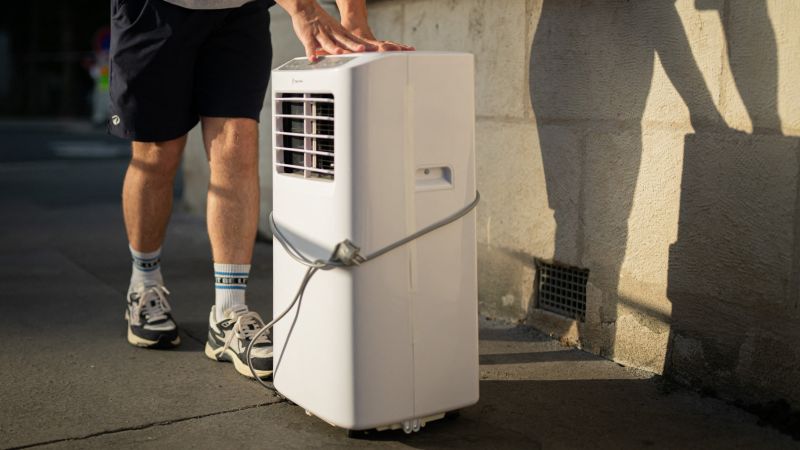
European Heat Wave Drives Surge in Asian Air Conditioner Sales
European heat wave brings in cool – Amid Europe’s sweltering temperatures, which have shattered historical records, manufacturers from Asia are witnessing a sharp increase in demand for their cooling products. South Korean tech giant Samsung Electronics, Chinese appliance producer Midea, and Japanese company Mitsubishi Electric are all experiencing significant growth in sales as the continent grapples with relentless heat. This trend highlights a growing reliance on air conditioning across Europe, particularly in major urban centers, where the appliance is becoming a lifeline for residents and businesses alike.
Climate Shift Sparks Cooling Demand
The unprecedented heatwave, characterized by soaring temperatures and prolonged heatwaves, has forced a rapid shift in European consumer habits. In regions where air conditioning was once a luxury, it is now a necessity. Countries like Italy, Spain, and France have seen double-digit sales growth for cooling systems in the first half of 2026, according to reports from Samsung Electronics. The company noted that the heatwave is expected to intensify from June onward, leading to sustained demand during the peak cooling season.
“With temperatures projected to climb further from June onward, we anticipate continued demand for our cooling solutions across Europe,” said Samsung Electronics in a statement to Reuters.
LG Electronics, another key player in the industry, reported that its production lines in South Korea had been operating at full capacity since April to meet the seasonal summer demand. The company emphasized the global reach of this trend, stating that its air conditioners are now being purchased in both domestic and international markets. For China’s Midea, the situation is even more pronounced, with its PortaSplit air conditioners in particularly high demand. The company claimed that the number of orders has surged so dramatically that second-hand prices have surpassed the cost of new units in some cases.
“A heatwave in the final two weeks of May significantly boosted sales, especially for the PortaSplit model, which sold out in multiple distribution channels,” Midea stated.
German e-commerce platforms have seen a 37% year-on-year increase in May, while Spain and France reported even steeper growth of 108% compared to the previous year. These figures underscore a changing landscape in European markets, where cooling devices are no longer a niche product but a staple for households and commercial spaces. The rise in demand also reflects the broader impact of climate change, as countries face increasingly severe weather conditions.
Installation Costs and Accessibility Challenges
Despite the growing popularity of air conditioning, its adoption in Europe remains limited due to high installation costs. Older buildings, which lack modern infrastructure, make it difficult to integrate cooling systems. Midea highlighted that the cost of installing an air conditioner in Europe can exceed $1,137 (€1,000), a barrier for many households. This price point, combined with the complexity of retrofitting, has slowed widespread adoption of the technology.
However, the need for cooling has become so urgent that even these challenges are being addressed. The International Energy Agency noted that total air conditioning ownership in Europe stands at around 20%, a statistic that has risen sharply in recent years. This rate, while lower than in Asia, signals a critical turning point as the continent adapts to its hotter summers. Experts warn that Europe’s summers are becoming increasingly harsh, with some regions experiencing temperatures that rival those of the tropics.
Global Implications of the Heatwave
The heatwave has not only affected Europe but also created ripple effects across the global market. As demand for air conditioners surges, Asian manufacturers are capitalizing on this opportunity. The World Meteorological Organization has pointed out that Europe is warming at more than twice the global average, a trend that is likely to continue. Mitsubishi Electric, one of the region’s leading air conditioning brands, confirmed that it is seeing a marked increase in orders from European buyers.
“Sales of air conditioners in Europe have been robust, with France, Spain, the U.K., and Germany being the most affected by recent heatwaves,” the company told Reuters.
Companies are also implementing measures to protect their workers from the effects of extreme heat. For instance, some firms are equipping delivery staff with “cool boxes” that contain reusable cooling towels, water-activated wrist coolers, and UV-protective neck guards. These innovations are part of a broader effort to ensure that both customers and employees can navigate the intense heat safely.
The heatwave has made life particularly challenging for vulnerable groups, including the elderly and those with chronic illnesses. Many individuals struggle to maintain comfortable indoor temperatures, leading to increased health risks and disruptions in daily routines. Schools and public services have also been forced to close or reduce operations, further emphasizing the severity of the situation.
As the climate continues to shift, the demand for air conditioning is expected to remain strong. The current surge in sales is not just a temporary response but a sign of long-term changes in European living standards. With more people recognizing the importance of cooling technology, the market for air conditioners is poised for continued growth. This transformation, however, will require significant investment in infrastructure to ensure widespread accessibility.
