
Rent board fulfills Mamdani’s vow to freeze the rent on 1 million NYC apartments
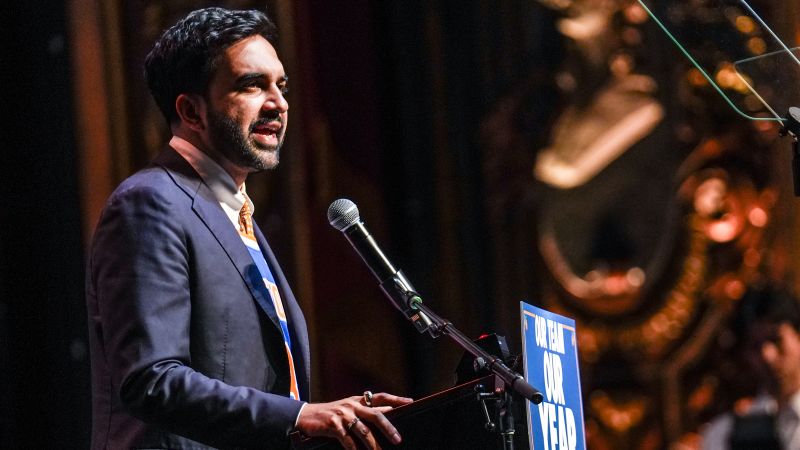
Rent Freeze Approved as Part of Mayor’s Affordable Housing Agenda
Rent board fulfills Mamdani s vow – On June 25, 2026, New York City’s Rent Guidelines Board delivered a landmark decision, enacting a rent freeze for approximately 1 million stabilized apartments citywide. This move marks a significant milestone for Mayor Zohran Mamdani, who has made tackling the high cost of living a cornerstone of his administration. The freeze, which applies to both one-year and two-year leases, was approved by the independent panel of mayoral appointees, a group Mamdani has shaped since taking office. The announcement has been hailed as a victory for working families, though it has also sparked debate among landlords and critics of rent regulation.
Mayor’s Campaign Pledge and Political Momentum
Zohran Mamdani, the newly elected mayor of New York City, has long emphasized affordability as a key issue in his platform. His promise to freeze rents resonated strongly with voters during the 2026 election, becoming a recurring theme in social media campaigns, public speeches, and rallies. The Rent Guidelines Board’s approval of the freeze on Thursday evening not only solidifies his commitment but also underscores the influence of his leadership in shaping city policy. This decision comes amid a surge in public support for Mamdani’s progressive policies, particularly after his endorsements helped three congressional candidates secure unexpected victories. Those candidates, who unseated two Democratic incumbents, have become symbols of his growing political clout within the city’s progressive circles.
Impact on Rent-Stabilized Units
Rent-stabilized apartments, which account for roughly 40% of New York City’s housing stock, have long been a focal point of housing affordability debates. With around 2 million residents living in these units, the freeze is expected to provide immediate relief to a significant portion of the city’s population. However, the policy’s long-term effects remain a topic of contention. Real estate advocates argue that freezing rent increases could strain landlords’ budgets, forcing them to either cut back on maintenance or pass costs onto tenants through other means. “This will only result in more dilapidated housing and potentially more foreclosures and bankruptcies,” warned Kenny Burgos, CEO of the New York Apartment Association, a prominent landlord lobbying group. “The city is wholly unprepared for these consequences.”
Landlord Pushback and Legal Challenges
Despite the city’s enthusiasm, the rent freeze has drawn swift criticism from business groups. Landlords, who manage a substantial portion of stabilized units, claim the policy will limit their ability to cover rising operational costs. The New York Apartment Association has already signaled its intent to challenge the decision legally, arguing that the board’s vote undermines its independence. This sentiment was echoed by Christina Smyth, a former board member who resigned in protest. In her resignation letter, Smyth accused the panel of losing its impartiality, stating, “The Rent Guidelines Board has stopped being a fact-finding body. It has become a body that starts with an answer and vibe codes its way backward to justify it.”
Backlash from Conservative Critics
While the freeze has been celebrated by tenant advocates, some conservative voices have raised concerns about its broader economic impact. Critics argue that the policy could incentivize landlords to convert stabilized units into non-stabilized ones, allowing them to charge higher rents without restrictions. This shift, they say, might exacerbate housing inequality, as wealthier residents could outbid lower-income households for available properties. Such concerns were not new; even during his campaign, Mamdani faced scrutiny over his own housing situation. Former Gov. Andrew Cuomo, a vocal critic of rent stabilization, once urged Mamdani to move out of his stabilized apartment, calling the arrangement “disgusting” and suggesting it should be reserved for those with lower incomes.
Historical Context of the Policy
The Rent Guidelines Board’s decision echoes past actions under previous mayors. The freeze was last implemented during the tenure of former Mayor Bill de Blasio, who prioritized tenant protections. However, under his successor, former Mayor Eric Adams, the board had previously approved modest rent increases—up to 3% for one-year leases and 4.5% for two-year leases. Mamdani’s reversal of that trend highlights a shift in policy priorities, with his administration signaling a stronger push for affordability. The change has been met with mixed reactions, as supporters praise the move for prioritizing working-class residents while opponents fear it could lead to a housing crisis.
Mayor’s Personal Connection to the Issue
Before assuming the mayoral residence in Gracie Mansion, Mamdani resided in a rent-stabilized apartment in Queens with his wife. This personal experience has lent credibility to his advocacy for tenant relief, as he frequently cites the struggles of ordinary New Yorkers. “Most New Yorkers are desperately in need of relief from high housing costs,” he has stated in multiple interviews. The freeze is seen as a tangible step toward fulfilling that promise, though some question whether it will be enough to address the city’s broader affordability challenges. With a majority of the Rent Guidelines Board now composed of his appointees, the policy is viewed as a strategic win for Mamdani’s administration.
Public Reaction and Advocacy Support
The vote generated widespread enthusiasm among tenant advocates, who gathered in large numbers at a museum near Central Park to witness the announcement. Supporters cheered the decision, framing it as a long-awaited victory for residents burdened by steep rent hikes. Meanwhile, the city’s housing officials have framed the freeze as a critical measure to stabilize the market and prevent further displacement. However, the debate is far from over. With the Rent Guidelines Board now under Mamdani’s influence, critics worry that the freeze may set a precedent for more aggressive policies in the future, potentially reshaping the city’s housing landscape in ways that could have lasting consequences.
Broader Implications for New York’s Housing Market
As the city grapples with inflation and rising operational costs, the rent freeze is positioned as both a relief and a risk. While it immediately eases the financial strain on tenants, it also forces landlords to confront a new reality where rent increases are no longer a guaranteed revenue stream. Some experts suggest that the freeze could encourage developers to invest in affordable housing projects, while others warn it might lead to a decline in property maintenance and investment. The debate over rent stabilization continues to divide the city, with tenants and progressive leaders on one side, and landlords and traditionalists on the other. For now, Mamdani’s administration has managed to fulfill a key campaign promise, but the long-term success of the policy will depend on how it balances the needs of residents with the financial viability of landlords.
With the Rent Guidelines Board’s approval, the mayor’s pledge to freeze rents has been realized, marking a defining moment in his early tenure. As the city awaits the legal challenges that are sure to follow, the policy stands as a symbol of the growing divide over housing affordability. Whether it will be a turning point for New York’s tenants or a catalyst for future conflict remains to be seen, but one thing is clear: the freeze has positioned Mamdani as a key player in the ongoing struggle to make housing more accessible for all New Yorkers.
