
Warsh takes over a Fed that isn’t ready to cut, with most officials now eyeing a rate hike
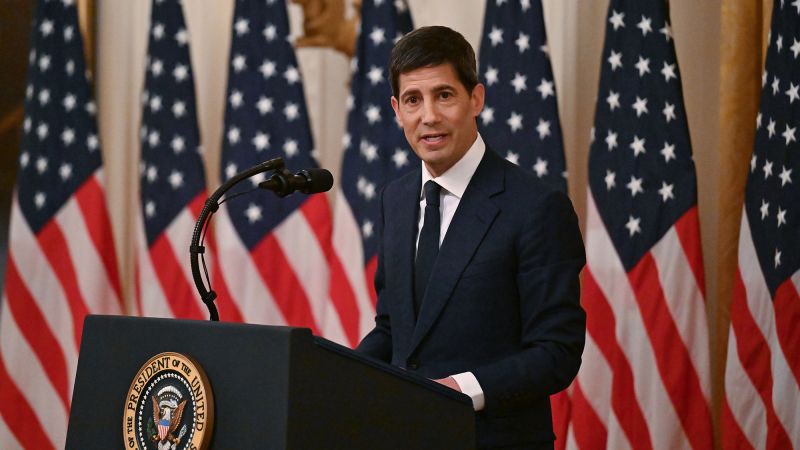
Warsh Takes Over a Fed That Isn’t Ready to Cut, With Most Officials Now Eyeing a Rate Hike
Warsh takes over a Fed that – The Federal Reserve maintained its benchmark interest rate unchanged at 3.5% to 3.75% during its most recent meeting, marking the fourth consecutive time it has opted not to adjust rates. While the decision to keep borrowing costs steady remains in place, central bank officials have signaled a shift in their stance, hinting at the possibility of raising rates later this year. This potential move comes amid rising inflation, which has been exacerbated by the ongoing conflict with Iran. The decision reflects a cautious approach, as policymakers remain wary of whether price pressures will extend beyond the energy sector to trigger a broader economic adjustment.
Contradictory Signals in a New Era
Under the leadership of newly appointed Fed Chairman Kevin Warsh, the rate-setting committee has adopted a slightly different outlook compared to previous forecasts. In their updated economic projections, officials now anticipate a single rate hike this year, contrasting with their earlier forecast of a rate cut in March. This discrepancy highlights the internal debate within the Federal Reserve, as the new chair navigates a complex landscape where most members are leaning toward tightening monetary policy rather than easing it. Only one of the 12 policymakers on the committee expects a rate cut, underscoring the prevailing sentiment of maintaining stability.
“The practice of releasing quarterly projections has become a habit that sometimes obscures the broader picture,” Warsh stated during his first press briefing as chair, critiquing the routine of economic forecasts. His remarks suggest a desire to streamline the Fed’s communication strategy, moving away from the structured quarterly reports that have been a staple of the central bank’s operations for years.
The Role of Energy Prices in Inflation Dynamics
Despite the recent inflation spike, officials have emphasized that core inflation—measuring price trends without the volatile energy and food sectors—has remained relatively contained. This cautious assessment has left the Fed in a delicate position, as it seeks to balance the need for rate hikes against the risk of overcorrecting. The current inflationary pressures are closely tied to global geopolitical tensions, particularly the conflict in the Middle East. If the peace agreement between the United States and Iran solidifies, it could alleviate fears of an oil-driven inflation shock, potentially stabilizing prices in the coming months.
Warsh’s approach to monetary policy is now being scrutinized as he aims to steer the Fed through this transitional phase. His emphasis on flexibility and adaptability may lead to a recalibration of the central bank’s strategy, including the possibility of fewer public statements and a reevaluation of how economic data is interpreted. The Federal Reserve’s decision to shorten its policy statement this meeting further signals a shift toward more concise communication, aligning with Warsh’s vision of a more agile institution.
The Weight of Expectations and Market Reactions
As the new chair, Warsh faces the challenge of reconciling the expectations of his predecessors with the evolving economic climate. His appointment by President Donald Trump was initially seen as a move to lower rates, but the current environment has shifted priorities. With most officials now considering a rate hike, the Fed’s focus has turned toward addressing inflationary risks rather than stimulating growth. This divergence from Trump’s agenda underscores the broader implications of the new leadership, as policy decisions are increasingly influenced by domestic and global economic conditions.
Wall Street is closely monitoring the Fed’s next steps, particularly the upcoming news conference scheduled for 2:30 p.m. ET. The event will serve as Warsh’s first opportunity to outline his policy philosophy and address market concerns about the trajectory of interest rates. Analysts are keen to understand how the central bank will balance its dual mandate of price stability and maximum employment, especially in light of the reduced inflation threat from a potential resolution of the US-Iran conflict.
The Mystery of Unnamed Projections
One notable development in the meeting was the absence of a specific economic projection from one member of the committee. While the Fed did not reveal the identity of the official who did not submit a forecast, the anonymity of these projections has sparked discussion about transparency. Warsh’s criticism of the quarterly release of projections aligns with this issue, as he argues that the current system may not fully capture the nuances of economic trends. The practice of keeping forecasts confidential has been a longstanding tradition, but the shift toward more open communication could be a key part of his reform agenda.
Additionally, the Fed’s updated policy statement reflects a broader effort to simplify its messaging. The revised document is notably shorter, focusing on key points rather than extensive analysis. This change may signal a move toward more direct and actionable guidance, which could resonate with both investors and the public. However, the streamlined approach also raises questions about how much detail will be shared in future communications, particularly as the central bank grapples with uncertainty in the global market.
Looking Ahead: A Delicate Tightrope
The Fed’s decision to hold rates steady, while hinting at a future hike, reveals a strategic patience in the face of mixed economic signals. Officials are waiting for clearer evidence that inflation is becoming more persistent before committing to a tightening cycle. This cautious approach has been shaped by the recent moderation in core inflation, which has not yet shown signs of a widespread uptick. If the current trajectory continues, the central bank may choose to keep rates unchanged for the remainder of the year, reserving the possibility of a cut for 2027.
Warsh’s tenure as Fed chairman is expected to bring about a period of transformation, with potential changes to the institution’s operational style and communication methods. The idea of a “regime change” he has mentioned could involve reducing the frequency of public briefings, simplifying policy statements, and adopting a more data-driven approach to decision-making. These adjustments may help the Fed better respond to rapid shifts in the economy, particularly as it balances the dual objectives of controlling inflation and supporting economic growth.
The evolving dynamics at the Federal Reserve highlight the challenges of navigating a complex economic landscape. With inflation risks tied to geopolitical factors and the potential for a rate hike now more plausible, the central bank is poised to make a significant decision in the near future. The upcoming news conference will be a critical moment, offering insight into how the Fed intends to shape its policy path in the coming months. As the economy continues to adapt, the focus will remain on whether the Fed can strike the right balance between stability and growth, under the guidance of its new leader.
For now, the Fed’s decision to maintain rates steady underscores its commitment to monitoring economic indicators before taking action. The shift from rate cuts to hikes signals a growing confidence in the resilience of the economy, though this confidence is tempered by the uncertainty surrounding global events. As the central bank moves forward, the interplay between internal consensus and external factors will define its next steps, setting the stage for a new era in monetary policy leadership.
