What we know about what Jane Doe told Cornell officials and friends about the alleged rape – and what the DA says he knew

Daftar Isi
What We Know About What Jane Doe Told Cornell Officials and Friends
Earthguardiansonline.com – What we know about what Jane Doe told Cornell University officials, friends and investigators has become central to questions surrounding an alleged gang rape at a Chi Phi fraternity house in October 2024. The former student’s account developed over time as she described the incident to roommates, medical staff, campus police and others.
Records from Cornell’s Title IX process describe Jane Doe trying to understand what happened while dealing with confusion, shame and trauma. Her attorney, Thomas P. Giuffra, has said changes in how she described the night should not be interpreted as proof that her allegation was unreliable.
“Ms. Doe’s internal processing went from denial, to shame and ultimately acceptance that she had been raped by people that she thought were her friends.”
The case has raised questions about how alleged sexual assault survivors initially describe traumatic events, how universities handle reports and what information was available to the Tompkins County District Attorney’s Office before it declined to bring criminal charges.
What Jane Doe Told Friends After the Alleged Assault
Cornell’s Title IX materials include emails, messages, photographs and interviews involving Jane Doe, her friends and six of the seven men she accused. The materials also document her early conversations with Cornell police.
After returning home, Doe told two roommates that she had taken ketamine and had sex with several men. She did not initially say that she had been raped or sexually assaulted.
One roommate later said Doe did not use the words “rape” or “assault” during that first conversation. Another said she could not remember Doe saying she had agreed to the sexual activity. A roommate also told investigators that Doe appeared shocked and did not seem to understand the seriousness of what she was describing.
The next day, Doe spoke with her sorority big sister, who later said Doe had not fully processed the events. What we know about what she told friends in those early hours reflects an account that was still developing rather than a complete explanation of the night.
Messages and Medical Care in the Days That Followed
Doe later exchanged messages with at least two of the men she accused. One message included an apology for the way the night unfolded.
“I just wanted to apologize for how things went down the other night.”
The sender said he and another man felt terrible and had been too affected by drugs and alcohol to stop the situation before it became uncontrolled. Doe initially replied that “non of the sexual stuff was illegal.” Her attorney has said that response reflected her emotional state at the time, not a final determination about consent or criminal responsibility.
Doe later sought care at Cornell Health for a urinary tract infection and sexually transmitted disease testing. Giuffra said she told a treating health care professional during an October 22 visit that the infection had been contracted in a traumatic way.
“Ms. Doe disclosed to the treating health care professional that she contracted the UTI in a ‘traumatic way.’”
Giuffra said that disclosure should have prompted additional inquiry, including consideration of a rape kit and consultation with sexual-assault-trained medical professionals. The available account does not establish which medical steps followed, but it has prompted scrutiny of whether support or evidence-collection opportunities were missed.
What Jane Doe Later Told Cornell Police
In November 2024, Doe gave Cornell police a more direct account, saying she had been raped. Her signed statement described being struck and feeling emotionally pressured into sexual activity while intoxicated.
What we know about what she told police differs from the limited details she initially shared with friends. Her attorney has argued that this evolution is consistent with a person gradually processing trauma, rather than evidence that the allegation lacked credibility.
Tompkins County District Attorney Matthew Van Houten has said his office did not receive a transcript of Doe’s November interview before deciding not to bring charges. It remains unclear whether prosecutors received Cornell’s Title IX findings before that decision.
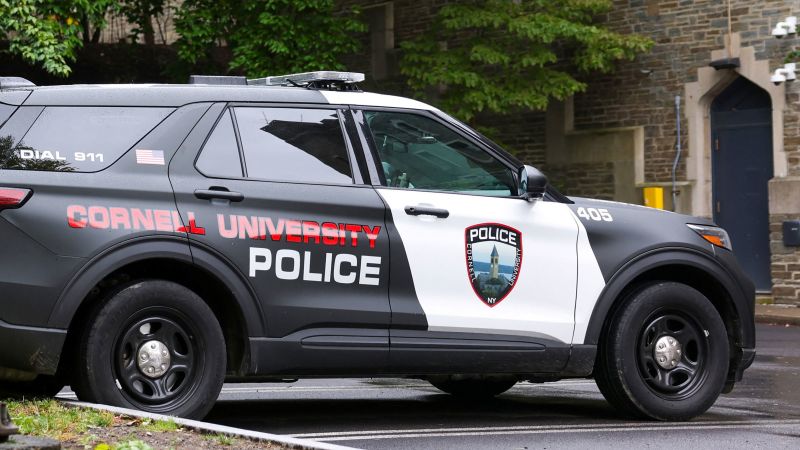
Cornell has said its police department followed protocol and provided all investigative material to the district attorney. The apparent difference between Cornell’s statement and Van Houten’s account remains a key issue in understanding the review.
Frequently Asked Questions
Why did Jane Doe’s account change over time?
Early disclosures may be incomplete when someone is confused, intoxicated, frightened or processing trauma. In this case, Doe’s attorney says her account became more direct as she came to understand and describe what she believed had happened.
Did the district attorney receive Doe’s police interview?
Van Houten has said his office did not receive the transcript of Doe’s November 2024 interview before declining to bring charges.
What remains unresolved?
Key unanswered questions include what investigative material prosecutors received, whether Cornell’s Title IX findings were shared and whether additional medical or investigative steps were considered after Doe sought treatment.