
Why we have so many ways to measure hot weather
The Science Behind Measuring Heat: Understanding Multiple Metrics
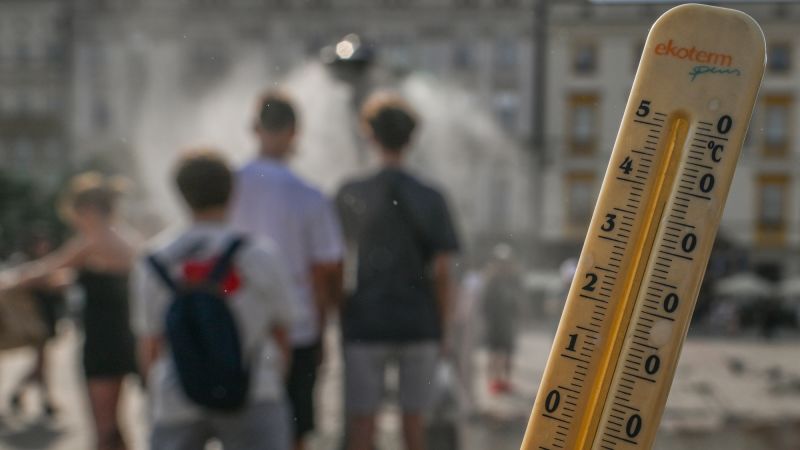
Why we have so many ways – As July 4th celebrations unfold across the Eastern United States, temperatures have surged to unprecedented levels for the third consecutive day. Cities from Boston to Washington, DC, are grappling with extreme heat, prompting officials to take measures to ensure public safety. With record-breaking daily highs being shattered, the combination of soaring air temperatures and high humidity has pushed the heat index into dangerous territory. Yet, the question of “how hot is it?” remains complex, requiring more than a simple reading of a thermometer. Different heat metrics offer varying perspectives, and comprehending them is critical, especially as heat-related illnesses claim the most lives from weather-related incidents in the country.
Heat Index: A Common But Simplified Measure
The heat index, often the first metric that comes to mind, merges air temperature with relative humidity to estimate what the weather feels like to a person. This calculation aims to reflect the perceived temperature, factoring in the body’s ability to cool itself through sweat evaporation. However, the model relies on specific assumptions, such as a healthy adult walking in shaded areas with adequate access to moisture. “The heat index assumes a person is in a controlled environment,” noted David Romps, a climate scientist at UC Berkeley. “If someone is exposed to direct sunlight or exerting themselves heavily, the model may not fully capture their actual experience.”
“The heat index is based on a physiological model of human thermoregulation that assumes a healthy adult walking in the shade with the ability to keep the skin wetted with sweat,” said David Romps, a climate scientist at UC Berkeley who has closely studied the heat index. “For someone who, for whatever reason, has an impaired ability to regulate their body temperature, or is walking in the direct sun, or is exerting themselves more vigorously, that underlying model will be less representative.”
Romps also highlighted a mathematical limitation of the heat index. The National Weather Service’s current system struggles when both temperature and humidity are extremely high, sometimes underestimating the true heat conditions by as much as 20 degrees Fahrenheit. For example, during this heatwave, cities in the Mid-Atlantic and Midwest have recorded heat indices exceeding 110 degrees, but actual air temperatures in these areas have climbed into the low triple digits. This discrepancy underscores the importance of using additional metrics to get a more precise picture of heat exposure.
Wet Bulb Temperature: The Body’s Cooling Mechanism
While the heat index provides a general sense of how hot it feels, the wet bulb temperature delves deeper into the body’s response to heat. This metric measures the lowest temperature air can reach through evaporative cooling, essentially reflecting how effectively sweat can lower body heat. It is influenced by both air temperature and humidity, with higher humidity levels raising the wet bulb temperature and drier conditions lowering it. “This value tells us how well our bodies can dissipate heat,” explained Andrew Grundstein, a University of Georgia researcher specializing in climate and health. “When the wet bulb temperature climbs, it becomes harder to stay comfortable, especially for vulnerable populations.”
“The heat index is based on a physiological model of human thermoregulation that assumes a healthy adult walking in the shade with the ability to keep the skin wetted with sweat,” said David Romps, a climate scientist at UC Berkeley who has closely studied the heat index. “For someone who, for whatever reason, has an impaired ability to regulate their body temperature, or is walking in the direct sun, or is exerting themselves more vigorously, that underlying model will be less representative.”
Experts warn that the wet bulb temperature has a critical threshold for human survival. Traditionally set at around 95 degrees, this limit assumes the body can efficiently cool itself through sweating. However, recent studies challenge that assumption, suggesting people may begin to experience heat stress at lower levels, such as 86 degrees. The exact survivability limit varies depending on factors like physical exertion, clothing, and individual health, making this metric a vital tool for predicting heat-related risks.
Wet Bulb Globe Temperature: A Comprehensive Indicator
When assessing heat stress in more extreme scenarios, the wet bulb globe temperature (WBGT) offers a more nuanced approach. Unlike the heat index, which considers only temperature and humidity, WBGT incorporates solar radiation, wind speed, and other environmental factors. This makes it particularly useful for evaluating conditions faced by outdoor workers, athletes, and others in high-exposure environments. “WBGT accounts for the full spectrum of heat sources,” Grundstein said. “It’s not just about air temperature—it’s about how the environment interacts with the human body.”
Researchers argue that WBGT is the most reliable metric for gauging the impact of heat on the human body. It combines data from three components: the wet bulb temperature, the globe temperature (which measures heat absorbed from the sun), and the dry bulb temperature (standard air temperature). By integrating these elements, WBGT provides a clearer understanding of the cumulative effects of heat on the body. For instance, in direct sunlight, the addition of solar radiation can significantly increase the perceived temperature, making WBGT a critical tool for determining when heat becomes life-threatening.
As climate change intensifies, the relevance of these metrics grows. The heat index, though widely used, may not fully capture the dangers faced by those in vulnerable situations. Meanwhile, wet bulb temperature and WBGT offer deeper insights into the physiological strain caused by extreme heat. These tools are not just academic—they are essential for issuing timely warnings and guiding public health responses during prolonged heat events. By understanding the differences between these metrics, communities can better prepare for the challenges posed by rising temperatures and their impact on human health.
Why Multiple Metrics Matter
Each heat measurement has its own strengths and limitations, shaped by the conditions they aim to quantify. The heat index is valuable for everyday situations but may oversimplify the reality of heat exposure. Wet bulb temperature helps identify when the body’s natural cooling mechanisms are overwhelmed, while WBGT offers a holistic view of heat stress. Together, these metrics form a layered framework for understanding the complexity of hot weather, allowing scientists and officials to make informed decisions about safety and risk management.
For individuals, knowing which metric applies to their situation can be lifesaving. A person sweating heavily in direct sunlight might experience more severe heat stress than someone in a shaded, well-ventilated area. As the climate continues to warm, the accuracy of these measurements becomes even more crucial. By refining and combining these tools, experts hope to create a more robust system for predicting and mitigating the impacts of extreme heat. In the meantime, staying informed about local conditions and using multiple metrics can help ensure that no one is left in the shadows of rising temperatures.
