Tracking the reopening of the Strait of Hormuz, in live maps and charts

Tracking the Reopening of the Strait of Hormuz, in Live Maps and Charts
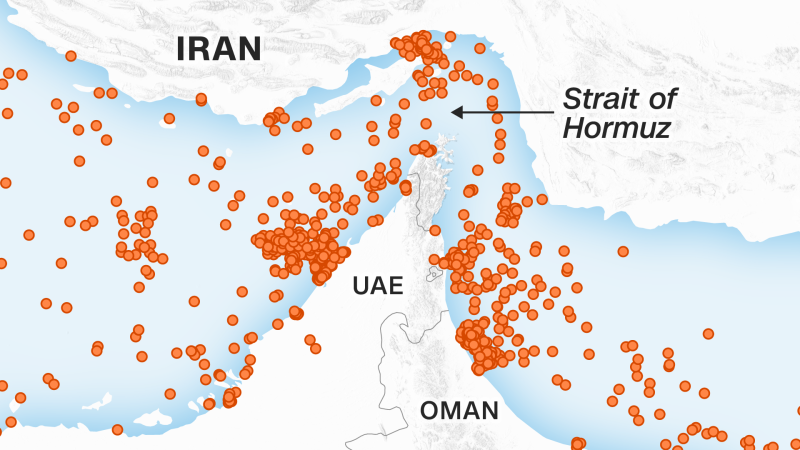
Tracking the reopening of the Strait – On June 17, a pivotal agreement between the United States and Iran was signed, signaling a potential shift in the region’s maritime dynamics. This deal commits to the immediate resumption of commercial traffic through the Strait of Hormuz, a critical waterway that serves as a lifeline for global oil exports. As of Thursday, initial data from Marine Traffic indicates that at least seven vessels have successfully navigated the strait, a small but promising sign of progress. CNN is providing real-time updates on the strait’s reopening, using interactive maps and charts to visualize the gradual return of maritime activity.
The MOU and Its Implications
The memorandum of understanding (MOU) between the two nations outlines key steps toward stabilizing the region. One of its central objectives is to restore access to the Strait of Hormuz, which Tehran had effectively restricted during the ongoing conflict. This move is not just symbolic; it represents a practical effort to ensure the uninterrupted flow of oil, a commodity vital to the world economy. The agreement also addresses the US’s naval blockade of Iranian ports, which has been a point of contention for months. Under the terms, the United States has 60 days—until July 19—to fully lift its restrictions, allowing for a phased reopening of the waterway.
Iran, in turn, is expected to take proactive measures to revive traffic levels. The MOU stipulates that the country will make “best efforts” to return shipping volumes to pre-war benchmarks during the same period. This commitment is crucial, as the strait handles approximately 20% of the world’s oil production, making it a strategic choke point for energy markets. The successful passage of vessels through the strait, as reported by Marine Traffic, suggests that the agreement is already yielding tangible results, though challenges remain.
Timeline of Reopening Efforts
The process of reopening the strait is being closely monitored, with each day bringing new data points. As of Thursday, the initial movement of ships marks the beginning of a more sustained effort to normalize operations. However, the agreement leaves room for ambiguity regarding Iran’s long-term control of the waterway. While the 60-day toll-free period is intended to ease tensions, it also allows for the possibility of Iran reimposing fees once a new arrangement is finalized. This flexibility could impact shipping costs and logistics, raising questions about the sustainability of the deal.
Reopening the Strait of Hormuz is a multifaceted challenge that involves balancing military, economic, and diplomatic interests. The waterway’s strategic importance cannot be overstated, as it connects the Persian Gulf to the open ocean, facilitating the export of oil from the region. Before the conflict, around 20% of global oil production flowed through this narrow passage, underscoring its role in energy security. Now, with the MOU in place, the focus is on restoring this flow while addressing concerns over sovereignty and trade efficiency.
Global Impact and Unresolved Questions
As the strait’s traffic begins to normalize, the global energy market is taking note. The gradual return of commercial vessels is a positive indicator for oil suppliers and traders, but the situation remains fragile. The 60-day toll-free window is a temporary measure, and the long-term management of the strait will depend on negotiations among Iran and its Gulf neighbors. These discussions aim to establish a framework for shared responsibility in maintaining the waterway’s operations, though the details are still under review.
The agreement’s success hinges on several factors, including the willingness of both parties to adhere to their commitments. While the US has set a clear deadline for lifting its naval blockade, Iran’s ability to restore traffic to pre-war levels will be a test of its logistical capacity and diplomatic resolve. The initial data from Marine Traffic, which highlights the movement of at least seven vessels, is a starting point, but sustained activity will require coordinated efforts and consistent enforcement of the MOU’s terms.
Monitoring Progress in Real Time
CNN’s coverage of the strait’s reopening provides a comprehensive view of the situation through live maps and charts. These tools offer a visual representation of vessel movements, highlighting trends and fluctuations in traffic. For example, the interactive maps show the location and trajectory of ships, while the charts track volume changes over time. Such data is invaluable for assessing the agreement’s effectiveness and identifying potential bottlenecks.
The live tracking system also reveals the impact of the agreement on regional stability. With the strait’s closure effectively reversed, the risk of disruptions to oil shipments has decreased. However, the presence of military vessels and the continued monitoring of Iranian activities suggest that tensions are not entirely resolved. The combination of real-time data and historical context allows analysts to evaluate the agreement’s progress, offering insights into its broader implications for international trade and geopolitics.
As the 60-day period unfolds, the focus will shift from immediate action to long-term stability. The MOU’s provisions, such as the toll-free window, are designed to provide a buffer for negotiations, but they also introduce new variables. For instance, the ability to impose fees could lead to increased revenue for Iran, potentially offsetting some economic losses incurred during the closure. This dynamic may influence the country’s behavior in the coming weeks, as it seeks to balance economic recovery with political leverage.
Ultimately, the reopening of the Strait of Hormuz represents a significant step toward de-escalation. However, the agreement’s success will depend on its implementation and the cooperation of all involved parties. The live tracking provided by CNN not only documents the current state of affairs but also serves as a reminder of the waterway’s critical role in global oil markets. As the data continues to flow, the world watches closely for signs that the strait will remain open and accessible for the long term.
“The agreement commits to the immediate resumption of commercial traffic through the strait,” stated CNN’s Oliver Sherwood. “But the real challenge lies in ensuring that this resumption is both sustainable and equitable for all stakeholders.”
Zachary B. Wolf added, “Iran’s decision to allow toll-free passage for 60 days reflects a strategic compromise. It provides temporary relief for shipping companies while leaving the door open for future negotiations on fee structures.”
With the strait gradually returning to its former state, the focus now turns to the next phase of the MOU. The success of this agreement could set a precedent for future cooperation between the US and Iran, while also serving as a model for resolving disputes in other contested regions. As the data from Marine Traffic and CNN’s live maps continues to evolve, the world remains hopeful that the strait will remain a vital artery for global commerce.