How much of a cancer drug is too much? Patients, researchers challenge FDA-approved dosages

How Much of a Cancer Drug Is Too Much?
Earthguardiansonline.com – How much of a cancer drug a patient actually requires is becoming one of oncology’s most contested questions. Across North America, Europe, and parts of Asia, treating physicians are quietly deviating from FDA-labeled regimens — compressing treatment windows, widening the gaps between infusions, and trimming doses by fractions that would alarm a regulator. What started as isolated clinical judgment is coalescing into an organized demand for formal dose-optimization research, driven by the suspicion that some of the priciest therapies in modern medicine are being administered at a one-size-fits-all default that needlessly harms patients and drains the system of billions.
A Patient Decides for Himself
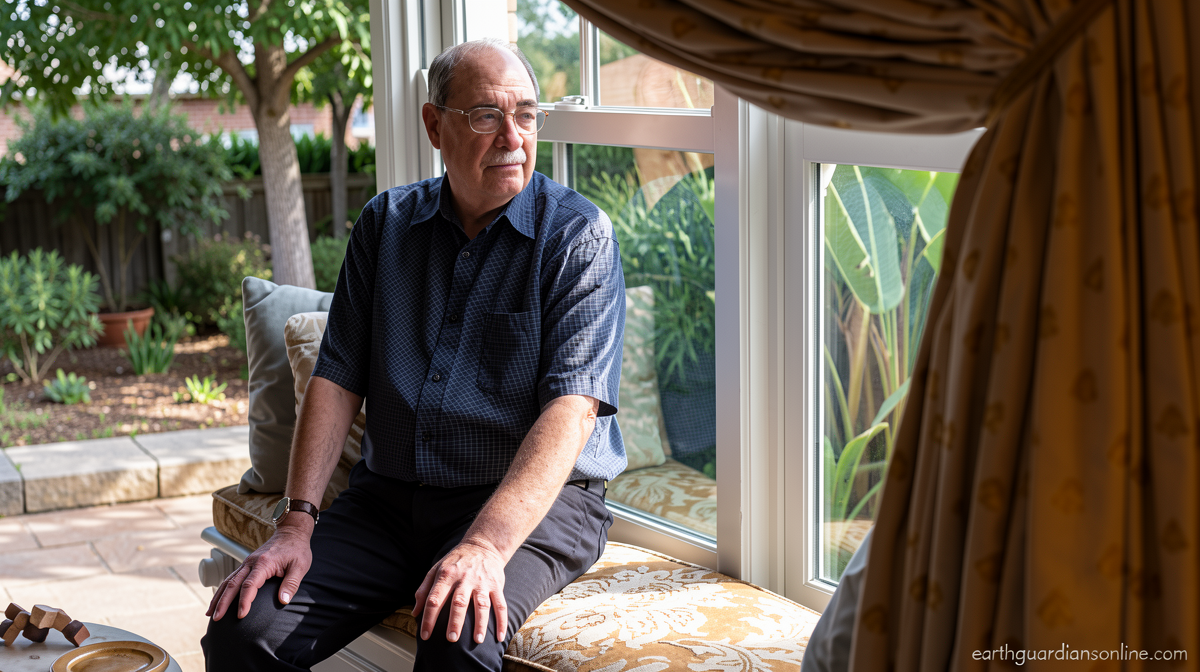
Chuck Manski, a Northwestern University economist whose scholarship examines decision-making under uncertainty, experienced that uncertainty firsthand in 2022 when he was diagnosed with advanced melanoma. His oncologist initiated monthly infusions of nivolumab, sold under the brand name Opdivo. Within six months the agent had suppressed the tumor but also obliterated his thyroid gland — sentencing him to permanent hormone replacement — and left his eyes, lips, and mouth in a state of agonizing dryness.
The FDA-approved schedule for nivolumab in his indication mandated a full twelve months of therapy. When Manski pressed his oncologist for a mechanistic reason the regimen had to run that long, the answer was procedural rather than scientific.
“It’s FDA-approved, so that’s what we use,” she told him.
By the midpoint of treatment, imaging showed no detectable signs or symptoms of active disease. Manski immersed himself in the peer-reviewed literature and concluded that the severity of his immune-related side effects signaled the system had been pushed as far as it needed to go. He discontinued the infusions early.
“She couldn’t tell me a year was the optimal dose. Nobody could,” Manski recalled during a June interview conducted from Spain, where he had traveled to collect an award for his economics research. “So I made my own diagnosis. I took myself off.”
What Clinicians Around the World Are Already Doing
Manski’s unilateral decision mirrored practices already embedded in oncology departments across Canada, Israel, Sweden, and other countries. Those physicians administer lower doses of nivolumab and of its close cousin pembrolizumab (Keytruda), compress the treatment timeline, or widen the spacing between administrations — all departures from the FDA-recommended schedule.
In India, oncology groups reported that doses as small as one-twelfth of the labeled nivolumab amount still produced meaningful anti-tumor effects across several cancer types. The finding crystallizes what Manski put plainly:
“There is incredible uncertainty in drug dosing.”
That uncertainty has galvanized an informal but persistent coalition of researchers, treating physicians, and patients demanding dedicated dose-optimization trials. The coalition’s argument rests on published evidence showing that reduced amounts of certain immunotherapies, or abbreviated courses, can preserve efficacy while eliminating some of the most debilitating adverse events — and while trimming enormous costs from the system. The question of how much of a cancer therapy is truly needed, rather than merely labeled, is now at the center of that debate.
The Financial Architecture That Resists Change
Why do dose-optimization studies remain rare once a drug reaches the market? The answer is structural. In the United States, very few actors in the healthcare chain have a financial incentive to discover that a smaller dose works just as well.
Pharmaceutical manufacturers, once a price is locked in, earn more revenue from every additional unit sold. Lowering the recommended dose directly shrinks that revenue stream. Merck sold nearly $32 billion worth of pembrolizumab last year — a figure representing almost half of the company’s total drug revenue. The agent carries FDA approval for more than forty distinct cancer indications. Bristol Myers Squibb, meanwhile, collected roughly $10 billion from nivolumab. Three frequently toxic breast-cancer agents — Ibrance (Pfizer), Verzenio (Eli Lilly), and Kisqali (Novartis) — contributed $4.1 billion, $5.7 billion, and $4.8 billion respectively to their makers’ top lines.
Hospitals and physicians also benefit from higher utilization. Under the federal 340B program, established in 1992 to subsidize care for low-income patients, facilities that treat a qualifying share of such patients purchase drugs at steep discounts and bill insurers or patients at higher rates. For Medicare beneficiaries specifically, physicians receive an additional six percent of the drug’s average price for every infusion administered. Between 2010 and 2024, total cancer-drug revenue flowing to doctors and hospitals swelled dramatically, reinforcing the economic gravity that keeps full-labeled doses in place even when clinical evidence points elsewhere.
Frequently Asked Questions
How much of a cancer medication should a patient question?
Patients should not independently alter their regimen without consulting their oncologist. However, asking informed questions about the rationale behind dose duration and magnitude is reasonable. Published literature increasingly suggests that some immunotherapy regimens may be more than clinically necessary, and dose-optimization trials are beginning to address that gap.
Why haven’t FDA-approved doses been adjusted downward?
Several structural barriers exist. Manufacturers earn more per patient at higher doses, hospitals and physicians receive utilization-linked payments, and the regulatory framework was designed around the original trial population. Until dedicated dose-finding studies are completed and reviewed, labels remain unchanged.
Is it safe to stop a cancer drug early?
Early discontinuation without medical supervision carries real risk of disease recurrence. The patients and clinicians described above operated within close oncologic follow-up. Any change to a cancer treatment plan should be made in partnership with the treating team.