Tiger Woods pleads guilty to lesser charge after March rollover crash

Daftar Isi
Tiger Woods Accepts Reduced Charge in Florida DUI Case Tied to March Rollover
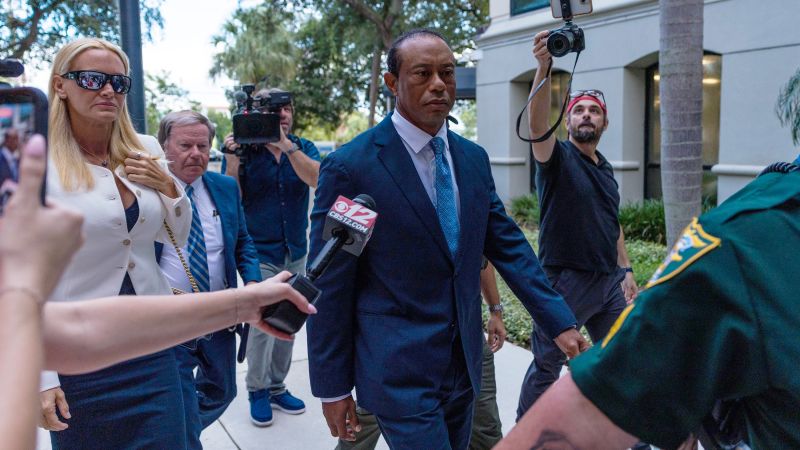
Earthguardiansonline.com – The 15-time major golf champion walked into a Martin County, Florida courtroom on Wednesday morning and changed his plea from not guilty to a lesser offense, bringing a five-month legal chapter to a close. Woods, now 50, appeared before a state judge in what was a televised proceeding that drew immediate attention from fans and sports journalists alike. The hearing, originally set for September 8, was pulled forward to 8:30 a.m. Wednesday at the Martin County Courthouse, roughly 40 miles north of West Palm Beach, following a notice filed in court records.
The plea change resolves the misdemeanor charges of driving under the influence and refusal to submit to chemical testing that were filed after a rollover collision in March. A separate traffic citation for careless driving had also been issued at the time of the arrest. Details of the specific reduced charge were not disclosed publicly at the time of the hearing, and one of Woods’ attorneys declined to offer comment when reached for reaction.
What the March Crash Involved
Court documents and the arrest affidavit paint a detailed picture of the incident. Woods was driving a Land Rover on a residential street near his home when the vehicle crossed double solid lines and attempted to maneuver around another car towing a trailer. The SUV struck the trailer, sending it flipping onto its driver’s side. The other driver assisted Woods in climbing out from the passenger side while the vehicle lay overturned on the roadway.
Woods told a responding deputy that he had not noticed the other vehicle slowing because his attention was divided between his cell phone and adjusting the radio station. During field sobriety exercises administered by deputies, he made errors. Two hydrocodone pills — a prescription opioid prescribed for severe, chronic pain — were found in his pocket. A breath test administered at the Martin County Jail detected no alcohol. However, Woods declined to undergo a urine test that could have revealed the presence of chemical or controlled substances in his system.
At the time of the arrest, Woods denied consuming alcohol but acknowledged taking “a few” prescription medications that day, per the affidavit.
Woods’ Public Response and Recovery Decision
In a statement issued shortly after the March arrest, the golf legend addressed the situation directly:
“I know and understand the seriousness of the situation I find myself in today.”
He announced he would step away from competition “to seek treatment and focus on my health,” describing the decision as necessary for him to “work toward lasting recovery.” That statement set the tone for months of absence from the tour and fueled speculation about the state of his physical and mental well-being.
A Pattern of Vehicle Incidents
The March crash was not an isolated event in a long history of vehicular trouble for Woods. Since 2009, he has been involved in multiple incidents, including a careless driving citation and a severe rollover that produced significant injuries and a prolonged rehabilitation period. His public image also absorbed the fallout of a 2017 Florida arrest in which he was suspected of driving under the influence. In that earlier case, a toxicology report revealed pain medications, anxiety medications, sleeping aids, and THC — the primary compound in marijuana — in his system. He ultimately pleaded guilty to reckless driving and completed a DUI first-offender program as part of a negotiated resolution.
The recurrence of crashes, combined with years of physical setbacks from surgeries and injuries, has placed Woods in a recurring cycle of public incidents followed by emotional comebacks. Each episode has drawn intense media scrutiny and raised questions about his ability to compete at the highest level.
Implications for His Golf Career
The timing of the crash dealt a direct blow to what had appeared to be a tentative return to competitive play. After more than a year away from professional golf, Woods had briefly competed at the TGL Finals tournament in March, generating speculation that he might be preparing for a high-profile Masters appearance in April. That possibility evaporated once the rollover occurred and he stepped aside for treatment.
By the time the plea-change hearing took place, Woods had not returned to tournament play. The resolution of the legal matter removes one external complication from an already complicated recovery timeline, but questions about his physical readiness and competitive intentions remain open. On the week of the hearing, PGA Tour golfer Scottie Scheffler captured the Tour Championship, claiming a second FedEx Cup title, while Woods offered congratulations from outside the game.
For a player whose career has been defined by 15 major championships and a transformative impact on the sport, the next chapter will be measured less by courtroom outcomes and more by whether he can translate his stated commitment to recovery into sustained, competitive performance on the course.
Related Reading
Frequently Asked Questions
What is Tiger Woods pleads guilty to lesser?
Tiger Woods pleads guilty to lesser is the main topic of this guide. The article explains the context, practical details, and next steps readers should understand.
Why does Tiger Woods pleads guilty to lesser matter?
Tiger Woods pleads guilty to lesser matters because readers are looking for a useful answer, not just a short summary. Good content should match search intent and help them decide what to do next.